Honey Halva: Tahini Halva Sweetened with Honey
Halva is a beloved sweet across the Middle East, the Balkans, Central Asia and Jewish delis around the world. The sesame version is made from tahini mixed with hot sugar or honey syrup, which sets into a crumbly, fudge-like block with a nutty, toasty flavor. Honey halva adds floral depth and a softer bite. This article explains the different kinds of halva, how honey halva works, a home recipe with temperatures, flavor variations, sesame allergy notes and storage. For tahini ideas beyond halva, see tahini and honey.
For general education only, not medical advice. Our honey is a food and is not intended to diagnose, treat, cure or prevent any disease.
What is halva
The word halva comes from an Arabic root meaning sweet, and it describes many confections. In India and Pakistan, halwa is often a soft pudding of semolina, carrots or lentils cooked with ghee and sugar. In the Middle East, Turkey, Greece and Eastern Europe, halva usually means the sesame version made from tahini. That flaky, crumbly sesame halva is what most people in the United States picture.
How tahini halva works
Tahini is ground sesame seed paste, rich in oil. When hot sugar syrup cooked to the soft ball stage is stirred in, it begins to crystallize around the sesame, creating the characteristic stringy, flaky texture. Commercial halva often adds soapwort root extract, which creates long fibers, but home halva sets well without it.
Ingredients
You need one and a half cups of well-stirred tahini at room temperature, one cup of honey, a pinch of salt and a teaspoon of vanilla. Optional add-ins include half a cup of pistachios, a teaspoon of cardamom, or cocoa powder.
- 1 1/2 cups tahini, well stirred
- 1 cup honey
- Pinch of salt
- 1 teaspoon vanilla
- Optional pistachios or cardamom
Step by step
Line a small loaf pan with parchment. Put the tahini, salt and vanilla in a heatproof bowl. Heat honey in a small saucepan over medium heat, without stirring, until a thermometer reads 240 to 245°F, about five to eight minutes. Pour the heated honey into the tahini and stir with a sturdy spatula. Within a minute it thickens and pulls away from the bowl. Quickly fold in nuts and press into the pan. Cool, cover and refrigerate overnight before slicing.
Getting the texture right
The honey temperature controls texture. At about 240°F, halva is softer and fudgy. At about 250°F, it is firmer and more crumbly. Do not overmix after the halva starts to seize, or it can become oily. If oil separates, press the halva firmly in the pan and chill; much of it reabsorbs. The Exploratorium describes the soft ball stage.
Flavor variations
Try these combinations:
| Variation | Add-ins |
|---|---|
| Pistachio | 1/2 cup chopped pistachios |
| Marble chocolate | Swirl in 2 tablespoons cocoa mixed with tahini |
| Cardamom rose | Cardamom and a few drops of rosewater |
| Vanilla almond | Toasted almonds and extra vanilla |
| Coffee | 1 teaspoon instant espresso |
Choosing tahini
Good halva starts with good tahini. Look for smooth, pourable tahini made from roasted, hulled sesame seeds with a nutty, not bitter, flavor. Stir it thoroughly, since oil separates in the jar. Tahini from Lebanon, Israel, Palestine and Ethiopia is often especially smooth.
Sesame allergy
Sesame is one of the nine major food allergens in the United States, and the FDA requires it to be labeled. Halva is essentially sesame and should never be served to someone with a sesame allergy. Label homemade gifts clearly.
Serving honey halva
Serve thin slices with coffee or mint tea, crumble halva over yogurt and ice cream, or tuck it into a warm pita for a sweet breakfast. Many people enjoy it with dried figs and dates. Our article on honey and figs has more ideas.
Halva traditions
In many Muslim and Jewish households, halva is a staple of celebrations and holiday tables. It also appears in Ramadan iftar spreads, Orthodox Lenten meals, since it contains no dairy or eggs, and Eastern European deli counters. Our article on honey for Ramadan explores honey during the holy month.
Storage
Wrap honey halva tightly and keep it in the fridge for up to a month, or at cool room temperature for about a week. Let it sit out a few minutes before slicing for the best texture.
Portion size
Halva is rich in fat from sesame and sugar from honey. A one-inch slice is a satisfying portion. Enjoy it as an occasional sweet alongside coffee or tea.
Which honey for halva
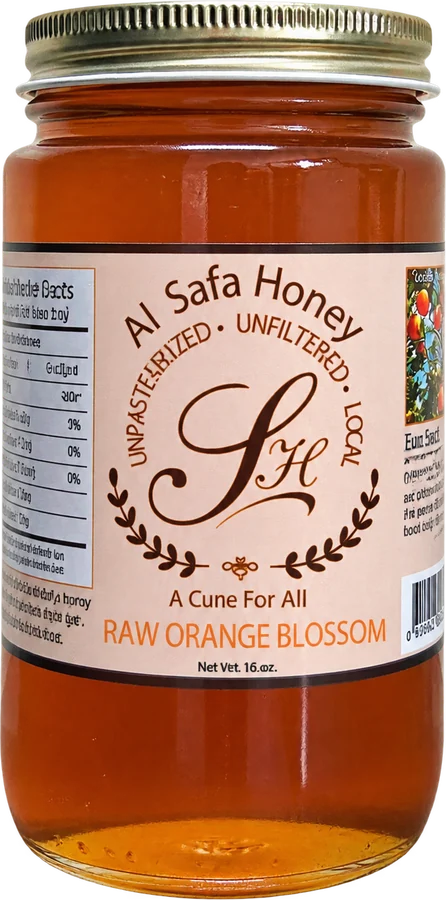
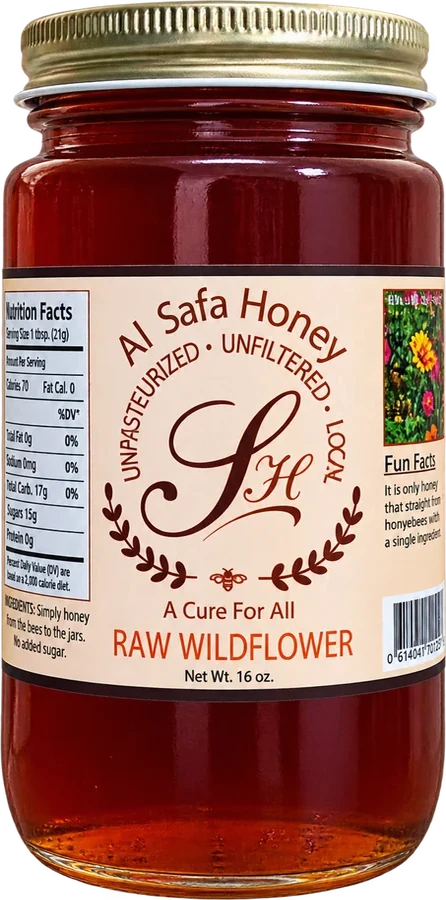
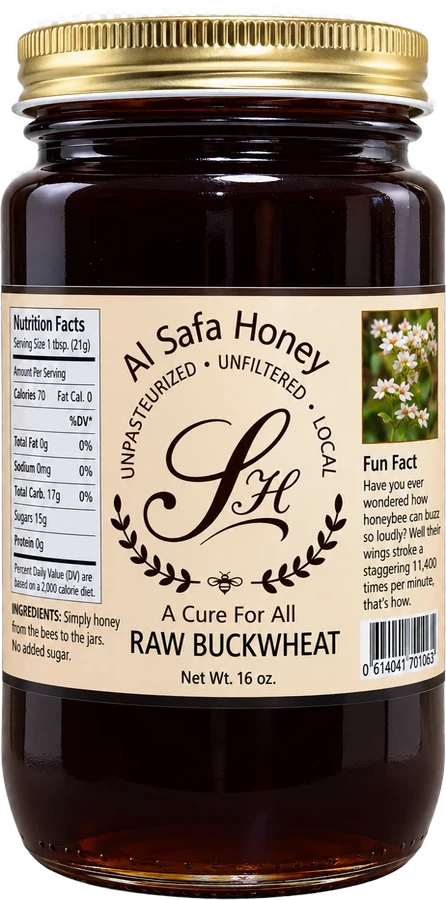
Raw Orange Blossom Honey, from Florida, adds a citrus-blossom perfume that pairs with cardamom and rose. Raw Wildflower Honey, harvested in New York State, gives a balanced, floral halva. Raw Buckwheat Honey, from New York State, makes a darker halva that loves chocolate and coffee.
The takeaway on honey halva
Honey halva is a simple, two-main-ingredient sweet: heated honey stirred into tahini. Heat the honey to the soft ball stage, mix quickly, press, chill and slice.
Troubleshooting honey halva
If your honey halva never firms up, the honey probably did not reach the soft ball stage; next time, cook it a few degrees hotter. If it is dry and sandy, the honey went too hot or the tahini was thick and old. Fresh, runny tahini and an accurate thermometer solve most problems. Test your thermometer in boiling water first: it should read 212°F at sea level.
Honey for your halva
Make your halva with Raw Orange Blossom Honey or Raw Wildflower Honey. Save with a 3 jar or 6 jar pack of any honey, and orders over $50 ship free. Visit our shop.
Sources
Outside health sources we used for this article. They open in a new tab.
- Food Allergies: What You Need to Know · U.S. Food and Drug Administration
- Science of Cooking: Sugar Stages · Exploratorium
- Honey: nutrient profile · USDA FoodData Central
Frequently asked questions
- What is honey halva?
- A sesame sweet made by stirring heated honey into tahini.
- What temperature should the honey reach?
- About 240 to 245°F, the soft ball stage.
- Why is my halva oily?
- It was overmixed. Press firmly and chill; oil usually reabsorbs.
- How long does honey halva last?
- About a month in the fridge, tightly wrapped.
- Is halva dairy-free?
- Tahini halva usually contains no dairy or eggs.
- Is halva safe for sesame allergies?
- No. Halva is made from sesame.
- Which honey is best for halva?
- Orange blossom or wildflower for floral halva; buckwheat for dark.
Al Safa Honey is a food producer, not a medical provider. Nothing here is medical advice, and these statements have not been evaluated by the Food and Drug Administration. Talk to your doctor about any health concern. Never give honey of any kind to a baby under 12 months old.