Honey Brine: Juicier Turkey, Chicken and Pork Chops
A honey brine is a simple soak of water, salt and honey that makes lean meats like turkey, chicken breast and pork chops juicier and better seasoned. Salt does most of the work, helping the meat hold onto moisture as it cooks. Honey adds a subtle sweetness and helps the skin brown to a deep golden color. This article explains how brining works, the right honey brine ratio, timing for each cut, flavor combinations, dry brining and the food safety rules from the USDA. For grill-side ideas, see honey for grilling.
For general education only, not medical advice. Our honey is a food and is not intended to diagnose, treat, cure or prevent any disease.
How brining works
When meat soaks in salt water, salt slowly moves into the muscle and changes its proteins so they hold more water during cooking. The result is meat that loses less moisture and tastes seasoned all the way through, not just on the surface. Brining matters most for lean cuts that dry out easily, like turkey breast, chicken breast and pork loin.
What honey adds
Honey contributes gentle sweetness that balances the salt, and its sugars help the skin brown and turn glossy in the oven or on the grill. A small amount of honey also carries flavor from aromatics like citrus peel, herbs and spices into the brine. Because honey browns quickly, watch the skin and tent with foil if it darkens early.
The basic honey brine ratio
Different salts measure differently because of crystal size, so weigh salt if you can, or use these volumes:
| Ingredient | Per gallon of water |
|---|---|
| Diamond Crystal kosher salt | 1 cup |
| Morton kosher salt | 2/3 cup |
| Table salt | 1/2 cup |
| Honey | 1/2 cup |
| Aromatics | Peppercorns, bay, garlic, citrus peel, herbs |
Making the brine
Warm two cups of the water with the salt, honey and aromatics just until dissolved. Add the remaining cold water, plus ice if needed, until the brine is completely cold. Never add raw meat to warm brine. Submerge the meat fully, using a plate to weigh it down if needed.
- Dissolve salt and honey in warm water
- Add aromatics
- Cool completely with cold water and ice
- Submerge meat fully
- Refrigerate
Brining times
Longer is not always better. Over-brined meat can turn spongy and too salty. Use these guidelines for a standard honey brine:
| Cut | Time |
|---|---|
| Shrimp | 15 to 30 minutes |
| Chicken pieces | 1 to 4 hours |
| Pork chops | 2 to 6 hours |
| Whole chicken | 6 to 12 hours |
| Pork loin | 8 to 12 hours |
| Whole turkey | 12 to 24 hours |
USDA safety rules
The USDA advises keeping the turkey and brine refrigerated at 40°F or below the entire time, never brining at room temperature, and not brining longer than two days. Use a food-safe container or brining bag, and clean surrounding areas well afterward. Cook poultry to 165°F, checked in the thickest part of the breast and the innermost thigh and wing.
Pork chops and loin are safe at 145°F with a three-minute rest, as the USDA safe temperature chart shows.
Brining a turkey without fridge space
If the turkey will not fit in your refrigerator, use a clean cooler packed with ice or frozen gel packs, and check with a thermometer that the brine stays at 40°F or below. Add ice as needed. Never use a garbage bag, which is not food safe.
Do not brine pre-salted birds
Many supermarket turkeys and chickens are labeled enhanced, basted, self-basting or kosher, meaning they already contain salt. Brining these makes them far too salty. Check the label before you brine.
Flavor combinations
Try honey, orange peel, rosemary and garlic for turkey; honey, lemon, thyme and black pepper for chicken; honey, apple cider, sage and mustard seed for pork; or honey, ginger, star anise and soy for an Asian-style brine. Our article on honey and rosemary has more herb pairings.
After brining
Remove the meat, rinse briefly if your recipe calls for it, and pat very dry with paper towels. For crisp skin on poultry, leave it uncovered in the fridge for a few hours or overnight to dry. Do not add extra salt to brined meat before cooking.
Dry brining with honey
Dry brining means rubbing salt directly on meat and refrigerating it uncovered for one to three days for turkey or several hours for chicken. It gives crisper skin than a wet brine and needs no bucket. Brush on a thin honey glaze near the end of roasting for color.
Which honey for brine
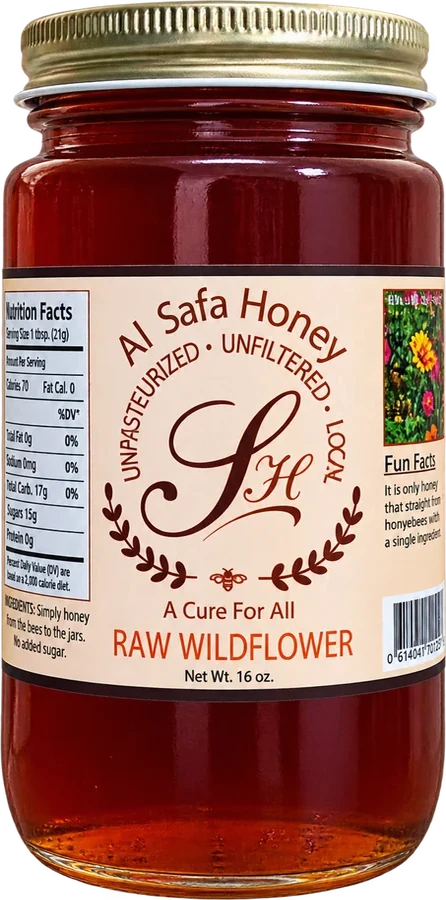
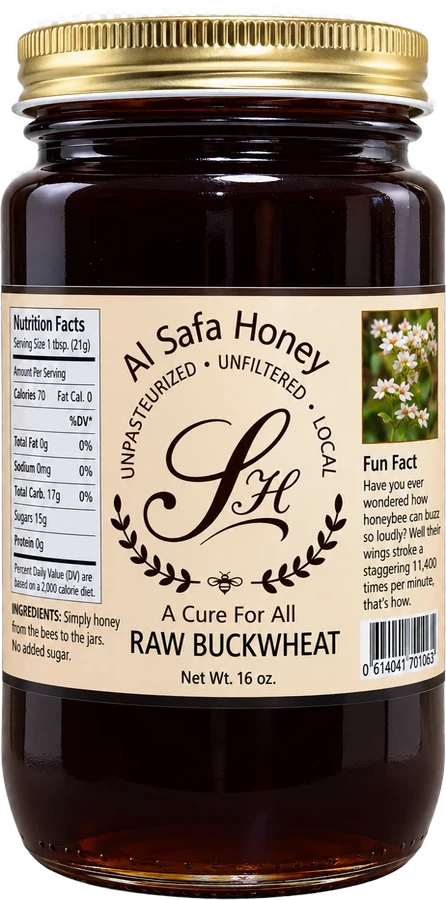
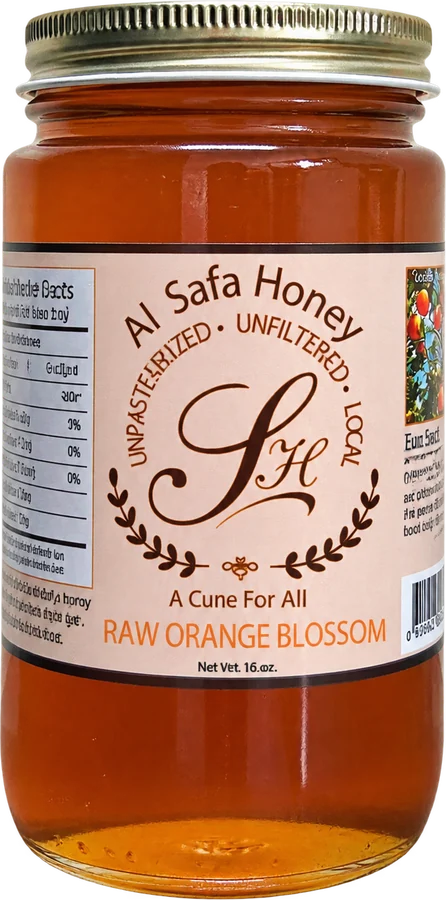
Raw Wildflower Honey, harvested in New York State, is a versatile choice for turkey and chicken. Raw Buckwheat Honey, from New York State, gives pork a deep, molasses-like edge. Raw Orange Blossom Honey, from Florida, pairs with citrus brines.
Honey brine for Thanksgiving
A honey brine is a classic way to prepare a holiday turkey. Our article on honey for Thanksgiving has a full holiday menu with honey.
The takeaway on honey brine
A honey brine seasons meat deeply and helps it stay juicy, while honey helps the skin brown. Measure salt carefully, follow brining times, keep everything at 40°F or below, and cook to safe temperatures.
Honey for your holiday bird
Brine with Raw Wildflower Honey and glaze with Raw Buckwheat Honey. Save with a 3 jar or 6 jar pack of any honey, and orders over $50 ship free. Visit our shop.
Sources
Outside health sources we used for this article. They open in a new tab.
- Brining Safely Will Bring Tender, Flavorful Meat to the Thanksgiving Table · U.S. Department of Agriculture
- Safe Minimum Internal Temperature Chart · USDA Food Safety and Inspection Service
- Honey: nutrient profile · USDA FoodData Central
Frequently asked questions
- What is a honey brine?
- A soak of water, salt and honey that seasons meat and helps it stay juicy.
- What is the honey brine ratio?
- About 1 cup kosher salt and 1/2 cup honey per gallon of water.
- How long should I brine a turkey?
- About 12 to 24 hours, refrigerated, and never more than two days.
- Can I brine at room temperature?
- No. Keep meat and brine at 40°F or below.
- Should I brine a kosher or enhanced turkey?
- No. It already contains salt.
- Do I rinse meat after brining?
- Follow your recipe, then pat it very dry.
- What temperature should brined turkey reach?
- 165°F in the thickest parts.
Al Safa Honey is a food producer, not a medical provider. Nothing here is medical advice, and these statements have not been evaluated by the Food and Drug Administration. Talk to your doctor about any health concern. Never give honey of any kind to a baby under 12 months old.