Honey for Grilling: Glazes, Two-Zone Fires and No-Burn Tips
Honey for grilling is a classic, from sticky honey barbecue wings to glazed salmon and caramelized peaches. Honey adds sweetness, shine and a beautiful lacquered finish. But its sugars burn quickly over hot coals, so technique matters. This article explains how to use honey for grilling without burning, when to apply glazes, two-zone fires, recipe ideas for meat, fish, vegetables and fruit, and which honeys to choose. For marinade basics, see our honey marinade guide.
For general education only, not medical advice. Our honey is a food and is not intended to diagnose, treat, cure or prevent any disease.
Why honey burns on the grill
Honey is mostly sugar, and sugars begin to caramelize around 230 to 320°F and burn not long after. Grill grates over direct flame can be far hotter. That is why honey-glazed food can turn black on the outside while the inside is still raw.
The fix is timing and heat control, not avoiding honey.
Set up a two-zone fire
On a charcoal grill, pile coals on one side and leave the other side empty. On a gas grill, turn one side to high and leave the other low or off. Sear or char food over direct heat briefly, then move it to the cooler side to cook through with the lid closed.
Apply honey glazes when food is on the cooler side and nearly done.
- One hot zone, one cool zone
- Sear briefly over direct heat
- Finish over indirect heat with lid closed
- Glaze in the last 5 to 10 minutes
When to brush on honey
Brush honey glazes in the last 5 to 10 minutes of cooking, turning food once or twice so each side sets without burning. For thick cuts and ribs, glaze two or three times in thin layers for a lacquered finish.
Honey barbecue sauce
Simmer one cup of ketchup, a third of a cup of honey, two tablespoons of cider vinegar, a tablespoon of Worcestershire sauce, a teaspoon of smoked paprika, garlic powder, salt and pepper for ten minutes. Use it on ribs, chicken, pulled pork and burgers. Buckwheat honey gives it a deep, smoky edge.
Honey glazed wings
Season wings with salt, pepper and baking powder for crisp skin. Grill over indirect heat with the lid closed for about 30 to 40 minutes, turning occasionally, until the skin is crisp and the meat reaches 165°F. Toss in a warm honey sauce made from honey, butter, hot sauce and garlic, then return to the grill for two minutes to set.
Grilled salmon with honey
Brush salmon fillets with oil, salt and pepper and grill skin side down over medium heat until nearly done. Brush with a mix of honey, soy sauce and lime juice, close the lid for two minutes, then remove. Salmon is done at 145°F.
Our article on honey and lime has more ideas.
Honey grilled vegetables
Carrots, corn, sweet potatoes, onions, peppers and zucchini love honey. Grill until tender and lightly charred, then brush with honey and olive oil with chili flakes or herbs. Corn on the cob brushed with honey butter and sprinkled with salt and chili is a summer favorite.
Grilled fruit with honey
Halve peaches, plums or nectarines, slice pineapple into rings, or cut bananas lengthwise. Brush with a little oil and grill over medium heat until marked and warm. Drizzle with honey after grilling and serve with yogurt or ice cream.
| Fruit | Grill time | Serve with |
|---|---|---|
| Peaches | 3 to 4 minutes per side | Ricotta and honey |
| Pineapple | 2 to 3 minutes per side | Honey lime drizzle |
| Bananas | 2 to 3 minutes per side | Honey and cinnamon |
| Figs | 2 minutes per side | Goat cheese and honey |
Food safety on the grill
The USDA recommends using a food thermometer since color is not reliable. Cook poultry to 165°F, ground meats to 160°F and whole cuts of beef, pork, lamb and fish to 145°F. Do not leave perishable food out more than two hours, or one hour above 90°F.
Use separate brushes and bowls for glazes that touch raw and cooked food.
Handling flare-ups
Dripping fat and sugar can cause flare-ups. Keep a cool zone to move food to, trim excess fat, and avoid squirting water, which can spread grease. Close the lid briefly to starve flames of oxygen.
Which honey for grilling
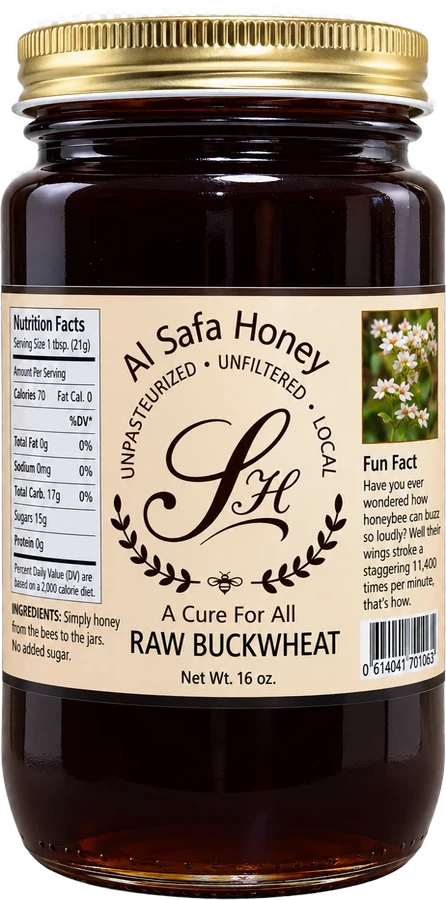
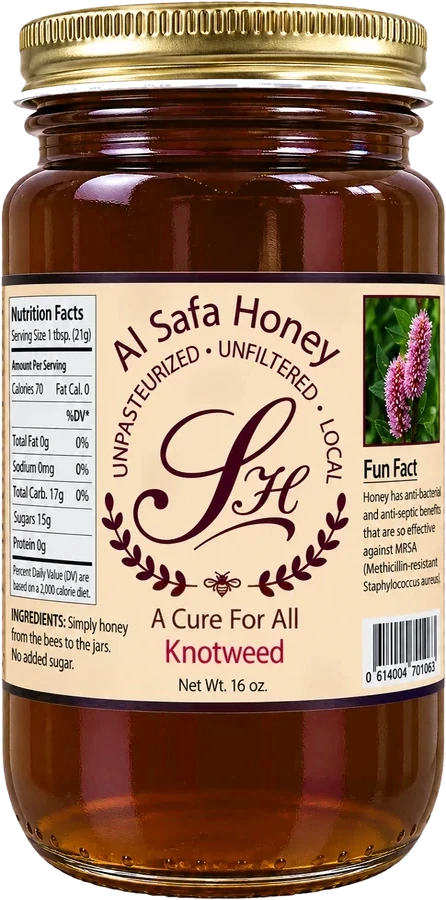
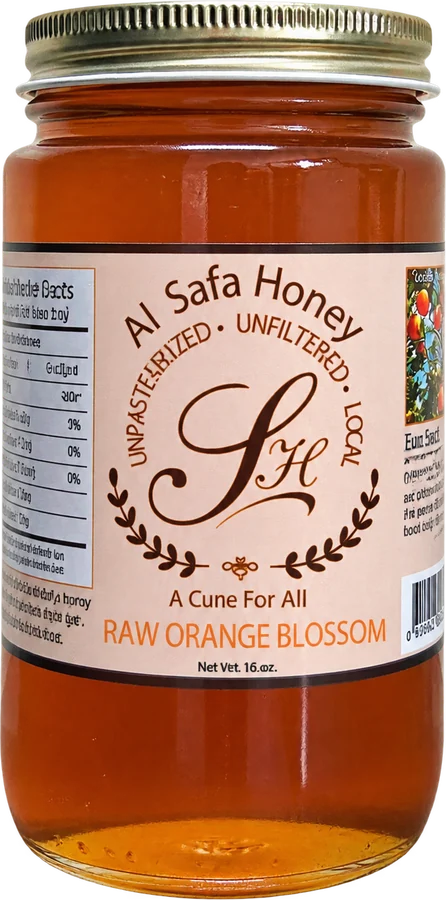
Raw Buckwheat Honey, harvested in New York State, is bold and smoky for ribs, pork and beef. Raw Knotweed Honey, from North Dakota, has a dark, herbal depth that suits lamb and root vegetables. Raw Orange Blossom Honey, from Florida, brightens fish and grilled fruit.
Cleaning sticky grates
Honey can leave sticky residue on grates. Burn it off with the grill on high for 10 minutes after cooking, then brush clean. Oiling grates before cooking also reduces sticking.
The takeaway on honey for grilling
Honey for grilling works beautifully with a two-zone fire and late glazing. Cook food through on the cool side, brush on honey at the end, and use a thermometer for safety.
Fire up your grill honeys
Grab Raw Buckwheat Honey for barbecue and Raw Orange Blossom Honey for fish and fruit. Save with a 3 jar or 6 jar pack of any honey, and orders over $50 ship free. Shop our honeys.
Sources
Outside health sources we used for this article. They open in a new tab.
- Stars, Stripes and Safe Bites (grilling and marinade safety) · U.S. Department of Agriculture
- Safe Minimum Internal Temperature Chart · USDA Food Safety and Inspection Service
- Honey: nutrient profile · USDA FoodData Central
Frequently asked questions
- How do I keep honey from burning on the grill?
- Use a two-zone fire and brush glaze on in the last 5 to 10 minutes.
- When should I add honey glaze?
- In the last 5 to 10 minutes, over indirect heat.
- What temperature should grilled chicken reach?
- 165°F.
- Can I grill fruit with honey?
- Yes. Grill fruit plain, then drizzle honey after.
- Which honey is best for barbecue sauce?
- Buckwheat honey for smoky depth.
- How do I clean honey off grill grates?
- Heat the grill on high for 10 minutes, then brush.
- How long can grilled food sit out?
- No more than 2 hours, or 1 hour above 90°F.
Al Safa Honey is a food producer, not a medical provider. Nothing here is medical advice, and these statements have not been evaluated by the Food and Drug Administration. Talk to your doctor about any health concern. Never give honey of any kind to a baby under 12 months old.