Honey Kombucha and Jun: Brewing Tea With Honey Safely
Honey kombucha is a fizzy fermented tea made with honey instead of cane sugar. Many brewers call it jun, a lighter, more delicate cousin of regular kombucha that is usually brewed with green tea. Fans love its soft, champagne-like sparkle and floral notes. Home brewing any kombucha takes care, though, because a poorly managed brew can grow harmful microbes or become too acidic. This article explains how honey kombucha differs from regular kombucha, basic brewing steps, safety rules and flavor ideas. For another fermented drink, see honey and kefir.
For general education only, not medical advice. Our honey is a food and is not intended to diagnose, treat, cure or prevent any disease.
What kombucha is
Kombucha is sweetened tea fermented by a SCOBY, a symbiotic culture of bacteria and yeast that forms a rubbery disc on the surface. Yeasts turn sugar into alcohol and carbon dioxide, and bacteria turn alcohol into acids, especially acetic acid. The result is tangy, lightly fizzy and low in alcohol.
Colorado State University's Food Source Information summarizes how kombucha is made and the key food safety points.
Honey kombucha versus regular kombucha
Here is how jun-style honey kombucha usually compares:
| Feature | Regular kombucha | Honey kombucha (jun) |
|---|---|---|
| Sweetener | Cane sugar | Honey |
| Tea | Black or green | Usually green |
| Flavor | Tangy, vinegary, fuller | Lighter, floral, softer |
| Brewing temperature | Warmer, around 75 to 80°F | Cooler, around 68 to 75°F |
| First fermentation | 7 to 14 days | Often 3 to 7 days |
Why you need a honey-adapted culture
A standard kombucha SCOBY is used to cane sugar. It may struggle in honey, which has a different sugar mix and natural antibacterial properties when concentrated. Most brewers buy a jun SCOBY or slowly train a regular one by gradually replacing sugar with honey over several batches.
Always keep a backup SCOBY in some finished tea in case a batch fails.
Basic honey kombucha steps
Brew green tea, let it cool to room temperature, and stir in honey, about half a cup per half gallon. Add at least one cup of strong, mature starter tea from a previous batch and the SCOBY. Cover the jar with a tight-weave cloth and band, and leave it somewhere out of direct sunlight. Taste after three days; when it is pleasantly tart, it is ready.
Follow a tested recipe from a reliable source for exact amounts.
- Clean glass jar
- Cooled green tea
- Honey, about half a cup per half gallon
- At least one cup strong starter tea
- SCOBY, cloth cover and band
Safety first
In 1995, the CDC reported two cases of severe illness with metabolic acidosis in Iowa in people who drank home-brewed kombucha, one of whom died. A direct cause was not proven, but the report urged caution. Poison Control also notes risks from contamination and from brewing in ceramic or lead-glazed containers, which can leach lead into the acidic tea.
Use only glass or food-grade containers, clean everything well, start with acidic starter tea, and discard any batch with fuzzy mold, an off smell or unusual colors.
Who should avoid home brews
People who are pregnant or breastfeeding, young children, older adults and anyone with a weakened immune system should avoid home-brewed kombucha. Kombucha also contains small amounts of alcohol, which can rise during second fermentation. Never give honey or honey kombucha to babies under 12 months.
Second fermentation and flavors
After the first ferment, many brewers bottle the honey kombucha with fruit or herbs for a few days to build fizz and flavor. Popular jun flavors include ginger and lemon, raspberry and mint, peach and basil, and lavender. Use pressure-safe bottles and burp them daily to release built-up gas, since bottles can burst.
Refrigerate once the fizz is where you like it, which slows fermentation.
Raw honey or not?
Some brewers worry that raw honey's own yeasts and bacteria could compete with the culture. In practice, a strong, acidic starter usually dominates. Many jun brewers use raw honey happily. If a batch behaves oddly, try a fresh starter or a different honey.
Which honey suits honey kombucha
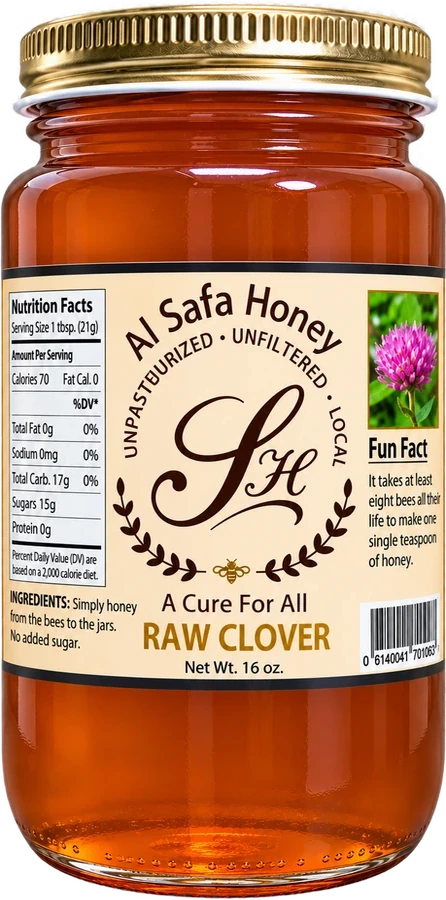
Mild honeys keep jun light and floral. Raw Clover Honey, harvested in New York State, is a reliable choice. Raw Orange Blossom Honey, from Florida, adds a citrus perfume. Dark honeys like buckwheat can overpower green tea and are better saved for stronger black tea brews.
Sugar and calories
Fermentation consumes some of the sweetener, but finished kombucha still contains sugar. Store-bought kombucha often has 6 to 14 grams of sugar per 8 ounces, and home brews vary. Count it toward your daily added sugar.
Store-bought honey kombucha
If home brewing feels like too much, several brands sell jun or honey-sweetened kombucha. Check the label for sugar, and keep bottles refrigerated as directed, since they can keep fermenting at room temperature.
Health claims to treat with care
Kombucha is often marketed with big promises. Human studies are limited, and the evidence does not support most claims. Enjoy honey kombucha as a refreshing drink rather than a medicine.
The takeaway
Honey kombucha, or jun, is a lighter, floral take on kombucha. Use a honey-adapted culture, keep everything clean, brew in glass, and skip home brews if you are pregnant, immune-compromised or serving young children.
Honey for your brew
Try Raw Clover Honey or Raw Orange Blossom Honey in your next batch. Save with a 3 jar or 6 jar pack of any honey, and orders over $50 ship free. Find them in our shop.
Sources
Outside health sources we used for this article. They open in a new tab.
- Unexplained Severe Illness Possibly Associated with Consumption of Kombucha Tea, Iowa, 1995 · Centers for Disease Control and Prevention (MMWR)
- Kombucha Tea: Health Tonic or Dangerous? · Poison Control (National Capital Poison Center)
- Kombucha · Colorado State University Food Source Information
Frequently asked questions
- What is honey kombucha called?
- Often jun, a kombucha-style drink brewed with green tea and honey.
- Can I use a regular SCOBY with honey?
- It may struggle. Use a jun SCOBY or transition gradually.
- Is home-brewed kombucha safe?
- It can be with good hygiene, but there are risks. Some groups should avoid it.
- What container should I brew in?
- Glass or food-grade containers, never lead-glazed ceramics.
- Does honey kombucha contain alcohol?
- Small amounts, which can rise during second fermentation.
- How long does jun take to ferment?
- Often 3 to 7 days for the first ferment, at cooler temperatures.
- Which honey is best for jun?
- Mild honeys like clover or orange blossom.
Al Safa Honey is a food producer, not a medical provider. Nothing here is medical advice, and these statements have not been evaluated by the Food and Drug Administration. Talk to your doctor about any health concern. Never give honey of any kind to a baby under 12 months old.