Land of Milk and Honey: Meaning, Bible Verses and the Honey Behind It
Land of milk and honey is one of the oldest phrases for abundance in the world. It comes from the Hebrew Bible, where God promises to bring the Israelites to a land flowing with milk and honey, and today it describes any place of plenty and opportunity. This guide covers the original verses, the debate about what kind of honey was meant, the archaeology of ancient beekeeping in Israel, and how the phrase is used now.
The Bible verses
The phrase first appears in Exodus 3:8, when God speaks to Moses from the burning bush and promises to bring the Israelites out of Egypt to a good and broad land, a land flowing with milk and honey. It returns many times in Exodus, Leviticus, Numbers, Deuteronomy, Joshua, Jeremiah and Ezekiel, always as a picture of the Promised Land's richness. In Numbers 13, the spies sent to scout Canaan return with a huge cluster of grapes and report that the land does indeed flow with milk and honey.
Our journal piece on honey in the Bible looks at more honey references, from Samson's lion to John the Baptist's wild honey.
Was it bee honey or date honey?
The Hebrew word devash can mean bee honey, but it was also used for thick sweet syrups made from dates, figs and grapes. Because dates were a major crop in the region, many scholars think the honey of milk and honey often meant date syrup, still called silan in Israel today. Others note that wild bee honey is mentioned elsewhere in the Bible, such as the honey Samson found in a lion's carcass and the honey Jonathan ate from the forest floor.
Either way, the phrase pairs the two great products of a land rich in pasture and orchards. See honey vs date syrup for how the two compare in the kitchen.
The ancient apiary at Tel Rehov
In 2007, archaeologists excavating Tel Rehov in Israel's Jordan Valley announced the remains of an industrial apiary from around the 10th to 9th century BCE: rows of clay cylinder hives, with an estimated 100 or more hives in all. It is the oldest known archaeological evidence of organized beekeeping in the ancient Near East, and remains of bees in the hives suggested they may have been a type imported from Anatolia. The find shows bee honey and beeswax were produced on a large scale in the land the Bible describes.
How the phrase is used today
Today land of milk and honey describes any place of plenty or opportunity: a fertile region, a booming city, or a dream destination for immigrants. It appears in songs, novels, political speeches and travel writing. Sometimes it is used ironically for a place that promised more than it delivered.
| Context | Example meaning |
|---|---|
| Religious | The Promised Land of the Bible |
| Everyday | A place of abundance and comfort |
| Immigration | A country offering a better life |
| Ironic | A place that falls short of its promise |
Milk and honey in food traditions
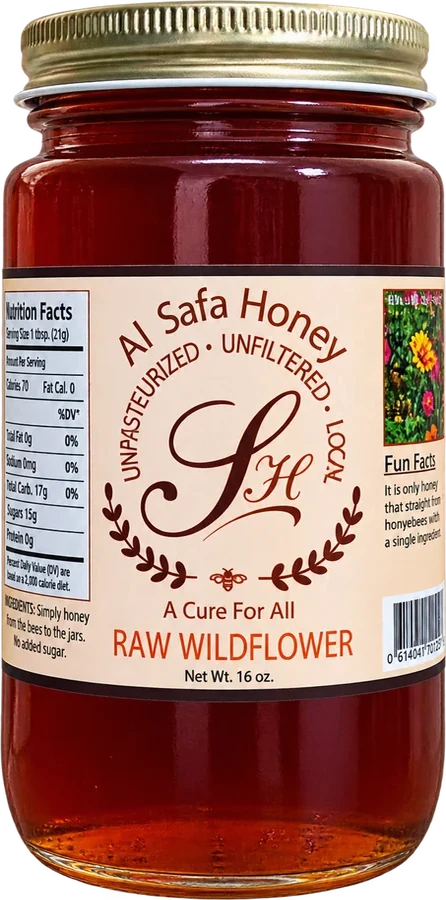
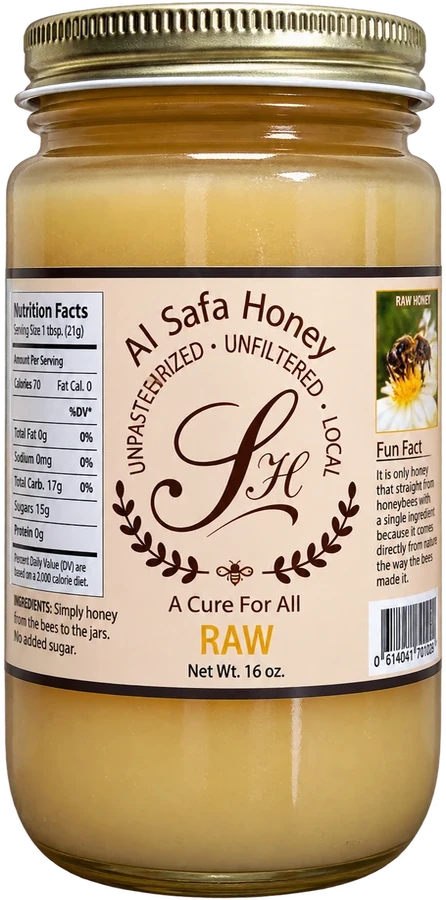
Milk and honey remain a classic pairing in many kitchens: warm milk with honey before bed, rice pudding with honey, yogurt and honey in Greece and the Middle East, and dairy and honey dishes for the Jewish festival of Shavuot. Try Greek yogurt with honey or our Wildflower honey stirred into warm milk.
Honey in other scriptures
Honey appears across religious traditions. The Quran has a chapter named The Bee and speaks of rivers of honey in Paradise; see our journal piece on honey in the Quran. Honey also features in Hindu rituals and ancient Greek offerings. For the Jewish New Year custom, see apples and honey.
Frequently asked questions
- What does land of milk and honey mean?
- A place of great abundance and plenty, from the Bible's description of the Promised Land.
- Where is land of milk and honey in the Bible?
- It first appears in Exodus 3:8 and recurs in many books of the Hebrew Bible.
- Was the honey in the Bible from bees?
- Sometimes. The Hebrew word also covered date and fruit syrups, and many scholars think date honey was often meant, but ancient bee hives have been found in Israel.
- What is Tel Rehov?
- An archaeological site in Israel where an apiary of clay hives dating to about the 10th to 9th century BCE was found.
Al Safa Honey is a food producer, not a medical provider. Nothing here is medical advice. Never give honey of any kind to a baby under 12 months old.