Thyme Honey: Greece's Signature Honey, From Crete to Mount Hymettus
Thyme honey is the honey Greece is famous for: aromatic, herbal and floral, made by bees working the wild thyme that covers hillsides on Crete, the Aegean islands and the mountains near Athens. Ancient writers praised the honey of Mount Hymettus, and thyme honey is still the classic choice for Greek yogurt and pastries. This guide covers its origin, flavor and uses.
Where thyme honey comes from
Wild thyme grows on dry, rocky, sunny hillsides around the Mediterranean, and Greece has some of the most extensive stands. On Crete and many Aegean islands, beekeepers move hives to the thyme in June and July. Mount Hymettus, near Athens, was famous for its thyme honey in ancient times and is still associated with it today.
Because thyme grows alongside other wild herbs and flowers, most Greek thyme honey contains some other nectars too; honeys sold as thyme honey usually have thyme as the dominant source.
What thyme honey tastes like
Thyme honey is light to medium amber. Its aroma is intense, herbal and floral, and its flavor is sweet with a distinctly herbal, slightly medicinal note and a long, warm finish. It can taste faintly of thyme itself, though it is not savory. Many people consider it one of the most aromatic honeys in the world.
It often stays liquid for a while and then crystallizes into a fine texture.
How thyme honey is used in Greek food
In Greece, thyme honey is poured over thick strained yogurt with walnuts, a classic simple dessert. It sweetens loukoumades, the honey doughnuts, and baklava, and is used in melomakarona, the Christmas honey cookies. It is excellent with feta and other salty cheeses, drizzled over fried saganaki cheese with lemon, and in herbal teas such as mountain tea.
- Greek yogurt with walnuts and thyme honey
- Drizzled over feta or fried saganaki with lemon
- In syrup for baklava and loukoumades
- Stirred into Greek mountain tea
- With figs and almonds
Buying thyme honey
Look for a named origin, such as Crete or a specific island, and a producer who explains when it was harvested. Greek thyme honey is in high demand, so very cheap jars may be blends. Our guide on monofloral honey explains how varietal honeys are identified.
Al Safa honeys for thyme honey fans
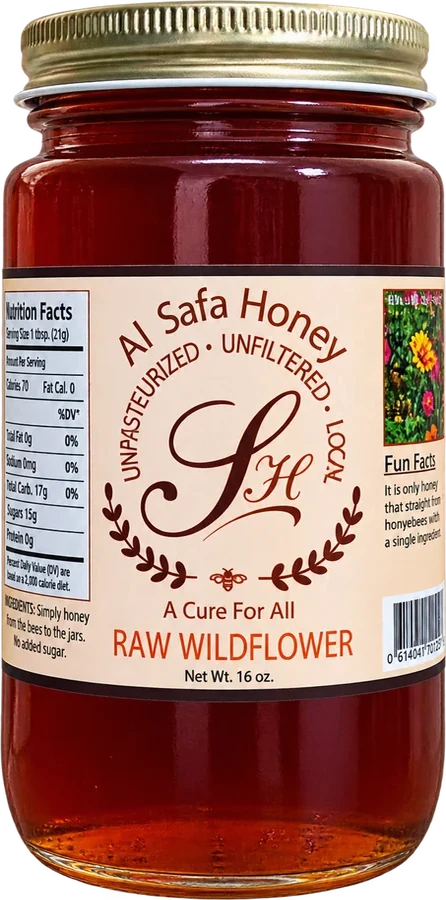
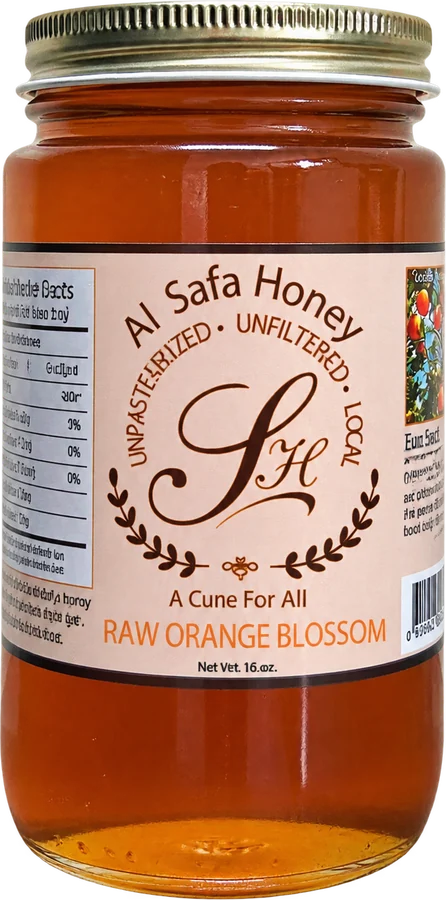
We do not sell thyme honey. For an aromatic honey to pour over Greek yogurt, try our Wildflower honey, with layered meadow notes, or Orange Blossom honey from Florida for a bright, floral alternative. See Greek yogurt with honey for serving ideas.
Thyme honey vs other Greek honeys
Greece produces several well-known honeys. Pine honey, a honeydew honey from the forests of Thassos, Evia and Halkidiki, is the most common and is darker and less sweet; see honeydew honey. Fir honey from the mountains of the Peloponnese is dark and rich. Heather and chestnut honeys are made in smaller amounts. Thyme honey is the lightest and most aromatic of the group and the one most people picture when they think of Greek honey.
Thyme honey tends to be pricier than pine honey because the thyme bloom is shorter and harvests are smaller.
Frequently asked questions
- What does thyme honey taste like?
- Intensely aromatic and herbal, with a floral sweetness and a long, warm finish.
- Where is thyme honey from?
- Mainly Greece, especially Crete and the Aegean islands, as well as parts of Turkey, Sicily and New Zealand.
- What is thyme honey used for?
- Greek yogurt with walnuts, pastries like baklava and loukoumades, cheeses like feta, and herbal tea.
- Does thyme honey taste like thyme?
- It has an herbal note that recalls thyme, but it is sweet and floral, not savory.
- Is Greek thyme honey raw?
- Many small Greek producers sell it raw, but not all. Check the label or ask whether it was heated or finely filtered.
- Does thyme honey crystallize?
- Yes, usually after some months, into a fine, creamy texture. Warm the jar gently to make it liquid again.
Al Safa Honey is a food producer, not a medical provider. Nothing here is medical advice. Never give honey of any kind to a baby under 12 months old.