Honey for Hiking: Trail Snacks, Packing Tips and Fuel Ideas
Honey for hiking makes a lot of sense. It is calorie dense, needs no refrigeration, does not spoil in a pack, and tastes good on almost anything you carry, from tortillas and peanut butter to oatmeal at camp. Many hikers squeeze a little honey on the trail for a quick lift between meals. This article covers why honey suits the trail, how to pack it without leaks, simple trail snack ideas, how much to carry, hot and cold weather tips and which honeys travel best. For more about honey around exercise, see honey for energy.
For general education only, not medical advice. Our honey is a food and is not intended to diagnose, treat, cure or prevent any disease.
Why honey works on the trail
Weight matters when you carry everything on your back, and honey packs a lot of energy into a small space. It is shelf stable, so it will not spoil in a hot pack the way dairy or meat can. It also tastes good with the dry, crunchy foods hikers tend to carry, making them easier to eat when you are tired. And unlike many sports gels, honey is a single ingredient.
Calories and carbohydrates
A tablespoon of honey contains about 64 calories and 17 grams of carbohydrate, mostly glucose and fructose, according to USDA FoodData Central. On a long hike, many people aim to eat small amounts of carbohydrate regularly rather than one big meal, and a little honey fits that rhythm well.
| Honey amount | Calories | Carbohydrate |
|---|---|---|
| 1 honey stick (about 1 teaspoon) | About 21 | About 6 g |
| 1 tablespoon | About 64 | About 17 g |
| 2 tablespoons | About 128 | About 34 g |
How to pack honey
Glass jars are heavy and breakable, so transfer honey into small refillable silicone squeeze tubes made for travel, or carry single-serve honey sticks. Fill tubes only three quarters full and close tightly. Put every honey container inside a zip-top bag, because a leak in a backpack is miserable to clean.
- Use silicone squeeze tubes or honey sticks
- Fill tubes three quarters full
- Double-check caps
- Store in a zip-top bag
- Pack near the top for easy access
Trail snack ideas
Spread peanut or almond butter and honey on a tortilla and roll it up; tortillas pack flat and do not crush like bread. Toss trail mix with a little honey and cinnamon at home and bake briefly for clusters. Drizzle honey on rice cakes or crackers at lunch. Our article on honey energy bites has a no-bake recipe that is perfect for day hikes.
Breakfast at camp
Instant oats, powdered milk, dried fruit and a squeeze of honey make a warm camp breakfast in five minutes. Stir honey into hot cocoa or coffee on chilly mornings. For a no-cook option, soak oats overnight in water with a little powdered milk and honey in a sealed container.
Pair honey with protein and fat
Honey alone is quick fuel, but it will not keep you full for long. Pairing it with nut butter, cheese, jerky, nuts or seeds slows digestion and keeps energy steadier between meals. A classic combination is a honey and peanut butter wrap at lunch, plus a handful of nuts during breaks.
How much to carry
For a day hike, two to four tablespoons of honey, or a handful of honey sticks, is usually plenty alongside your other food. For multi-day trips, plan about one to two tablespoons per day as part of a broader food plan. Honey should complement real meals, not replace them.
Cold weather tips
Honey thickens in cold weather and can become hard to squeeze. Keep a tube in an inside jacket pocket, where body heat keeps it pourable. If honey crystallizes, warm the tube in a cup of hot water at camp. Crystallized honey is perfectly fine to eat.
Hot weather tips
In heat, honey becomes thinner and more likely to leak, so double-bag it and keep it away from your sleeping bag. Heat does not spoil honey, but very high temperatures for long periods can dull its flavor. Store it in the shade at camp.
Water still comes first
The National Park Service lists extra food and water among the ten essentials for every hike. Sweet foods can make you thirsty, so drink regularly and carry more water than you think you need, especially in hot or high places.
Leave no trace
Sticky wrappers and honey stick ends attract insects and animals. Pack out all trash in a sealed bag, and in bear country, store honey with the rest of your food in a bear canister or hang bag, away from your tent.
Honey for kids on hikes
Children over 12 months can enjoy honey on the trail. Never give honey to babies under 12 months, as the CDC advises. For babies, pack approved baby snacks instead.
Which honey for hiking
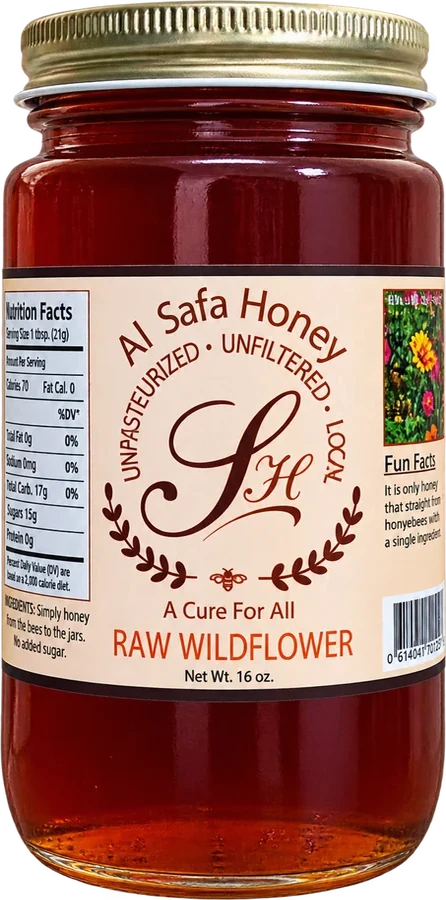
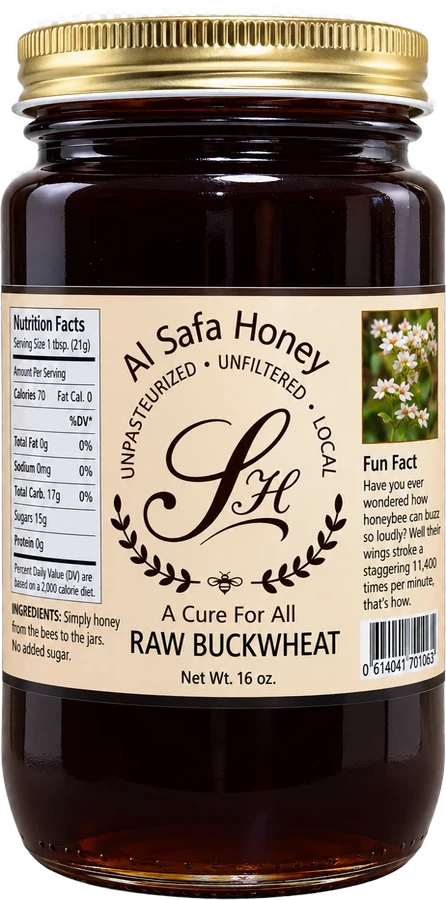
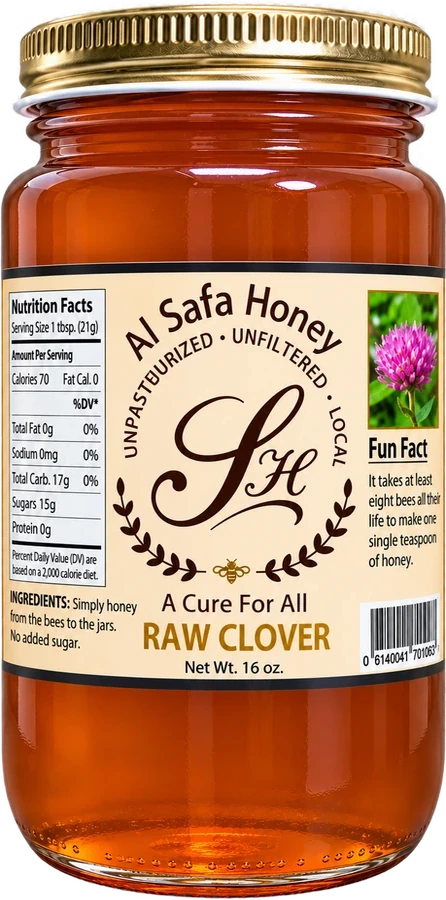
Raw Wildflower Honey, harvested in New York State, is a balanced everyday trail honey. Raw Buckwheat Honey, also from New York State, has a bold, malty taste that pairs well with oats and peanut butter. Raw Clover Honey is mild and easy to like for kids. Refill your trail tubes from a home jar.
The takeaway on honey for hiking
Honey for hiking is compact, shelf stable and flexible. Pack it in leak-proof tubes, pair it with protein and fat, carry plenty of water, and pack out every wrapper.
Fill your trail tubes
Refill your squeeze tubes from a jar of Raw Wildflower Honey or Raw Buckwheat Honey. Save with a 3 jar or 6 jar pack of any honey, and orders over $50 ship free. Visit our shop.
Sources
Outside health sources we used for this article. They open in a new tab.
- The Ten Essentials for Hiking · National Park Service
- Honey: nutrient profile · USDA FoodData Central
- Foods and Drinks to Avoid or Limit (infants and toddlers) · Centers for Disease Control and Prevention
Frequently asked questions
- Is honey good for hiking?
- Yes. It is light, shelf stable and provides quick carbohydrates.
- How do I carry honey on a hike?
- In leak-proof squeeze tubes or honey sticks inside a zip bag.
- How much honey should I bring on a day hike?
- Two to four tablespoons alongside other food.
- Does honey spoil in a hot backpack?
- No, but double-bag it in heat since it can leak.
- What do I do if honey gets hard in the cold?
- Keep it in an inside pocket or warm the tube in hot water.
- What should I eat with honey on the trail?
- Nut butter, tortillas, oats, nuts or cheese.
- Do I need to store honey from bears?
- Yes. Store it with all food in a bear canister or hang.
Al Safa Honey is a food producer, not a medical provider. Nothing here is medical advice, and these statements have not been evaluated by the Food and Drug Administration. Talk to your doctor about any health concern. Never give honey of any kind to a baby under 12 months old.