Honey for Energy: Using Honey as Exercise Fuel
Runners, cyclists and hikers have long tucked a little honey into their packs, and sports scientists have taken an interest in why. Honey is a ready source of carbohydrate, the fuel your muscles lean on during harder or longer efforts. This article explains how honey supplies energy, what studies comparing honey with commercial sports products have found, and practical ways to use honey before and during exercise.
How honey supplies energy
A tablespoon of honey provides roughly 17 grams of carbohydrate, almost all of it sugar. Most of that sugar is fructose and glucose in a free form, so the body does not need to break it down from larger molecules first. Glucose can be absorbed and used fairly quickly, while fructose is absorbed through a different pathway and processed more gradually.
That mix is interesting to sports scientists because research on sports nutrition suggests that combining different sugars can let the gut absorb more carbohydrate per hour than a single sugar alone. Many commercial sports drinks and gels deliberately blend glucose and fructose for this reason. Honey happens to provide a blend naturally, though in proportions that vary from one honey to another.
Energy in this sense simply means calories from carbohydrate. Honey does not contain anything that stimulates you the way caffeine does; it gives your muscles and brain fuel to burn.
What exercise studies have found
A 2019 systematic review of honey supplementation and exercise gathered the available trials. Its authors found that honey generally produced results similar to other carbohydrate sources and noted that the studies were few, small and varied in design. They concluded more research was needed before drawing firm conclusions.
Individual studies illustrate the picture. A small trial in runners found that a honey drink after exercise kept blood glucose up during a later run in the heat, compared with water. A recent study had cyclists ride for three hours using either honey or a traditional carbohydrate sports product and reported comparable metabolic responses and performance on a follow-up test. Other work using a honey powder supplement did not find an endurance advantage.
Put together, the research suggests honey may be a reasonable whole-food alternative to commercial fuel. It does not show that honey is better than other carbohydrates, and nobody should expect it to change performance beyond what carbohydrate itself provides.
Before a workout
Cleveland Clinic's guidance on workout nutrition explains that carbohydrates supply the energy to carry you through exercise and suggests a small, easy-to-digest snack 30 minutes to an hour beforehand if you have not eaten a full meal. Among its examples is apple slices with honey, which pairs quick sugars with fruit.
Keep pre-workout snacks light and low in fat and fiber so they digest comfortably. A drizzle of honey makes plain toast, rice cakes or a small bowl of oats more appealing, especially for early morning sessions when your appetite is low.
- Toast or a rice cake with a teaspoon or two of honey and sliced banana
- Apple slices dipped in honey
- A small bowl of oatmeal sweetened with honey
During long efforts
For activities lasting more than about an hour, many athletes take in carbohydrate along the way. Honey can work well here. Some people carry it in small reusable soft flasks or squeeze pouches, while others stir it into water with a pinch of salt for a simple homemade drink.
Try any new fueling strategy in training before relying on it in a race. Large amounts of fructose at once can upset some stomachs, so start small and see how you feel. Drink water alongside, since concentrated sugar draws fluid into the gut.
Safety and choosing a honey
Honey is sugar, so it fits best around activity rather than as an all-day snack. People with diabetes, or anyone who takes medication that affects blood sugar, should talk to their doctor or a sports dietitian about how and when to fuel. And never give honey to a baby under 12 months, because of the risk of infant botulism.
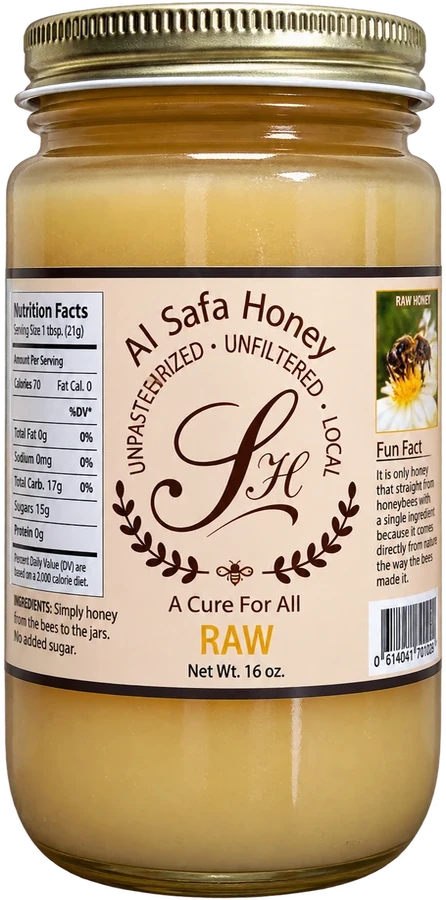
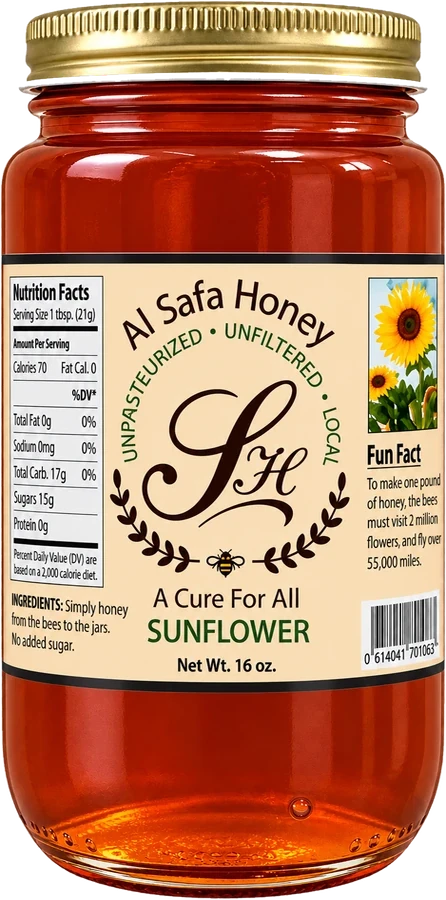
Al Safa honeys are raw, unpasteurized and strained of wax only. Our Pure Raw Honey is mild and blends easily into drinks, while Sunflower Honey has a bright, buttery flavor that many people enjoy on pre-run toast. Because honey can crystallize in cool weather, a runnier honey or a gently warmed one is easier to squeeze from a flask.
Sources
Outside health sources we used for this article. They open in a new tab.
- Honey Supplementation and Exercise: A Systematic Review · PubMed
- Effects of Post-Exercise Honey Drink Ingestion on Blood Glucose and Subsequent Running Performance in the Heat · National Library of Medicine (PMC)
- Could It Bee? Honey Ingestion Induces Comparable Metabolic Responses to Traditional Carbohydrate-Based Sports Nutrition Product During 3-Hr Steady-State Cycling and Subsequent Exercise Capacity Test · PubMed
- Should You Eat Before or After a Workout? · Cleveland Clinic
Frequently asked questions
- Is honey as good as an energy gel?
- Small studies suggest honey may perform about as well as other carbohydrate sources, including sports products, for endurance exercise. The research is limited, so the best choice is the fuel your stomach tolerates and you enjoy using.
- How much honey should I eat before a workout?
- Many people use one to two tablespoons as part of a light snack 30 to 60 minutes before exercise. Needs vary with body size and workout length, so a sports dietitian can help you tailor it.
- Does honey give a sugar crash?
- Any sugar eaten without activity can lead to a quick rise and fall in blood sugar for some people. Using honey close to or during exercise, when muscles are burning carbohydrate, and pairing it with other foods can help keep energy steadier.
- Can kids use honey as a sports snack?
- Children aged 1 and older can enjoy small amounts of honey. Never give honey to babies under 12 months old because of the risk of infant botulism.
Al Safa Honey is a food producer, not a medical provider. Nothing here is medical advice, and these statements have not been evaluated by the Food and Drug Administration. Talk to your doctor about any health concern. Never give honey of any kind to a baby under 12 months old.