Honey Tasting: How to Taste Honey Like a Sensory Expert
Honey tasting is like wine or coffee tasting, but sweeter and easier to set up at home. With a few jars, some spoons and water, you can learn to spot the differences between honeys from different flowers and regions. Sensory experts even use a honey flavor wheel to describe what they smell and taste. This article walks through the steps of honey tasting, how to describe what you notice, how to host a tasting, and how to use what you learn. For a ready-made set, see our honey variety pack guide.
For general education only, not medical advice. Our honey is a food and is not intended to diagnose, treat, cure or prevent any disease.
Why honey tasting is worth trying
Honey's flavor comes from the flowers bees visit, the region, the season and how it is handled. Tasting several side by side reveals differences you might never notice from a single jar. It also helps you choose honeys for specific foods and makes eating honey more mindful.
The honey flavor wheel
The UC Davis Honey and Pollination Center developed a honey flavor and aroma wheel with almost 100 descriptors, created with a trained tasting panel and a sensory scientist. It gives tasters a shared vocabulary, from floral and fruity to woody, spicy and earthy notes.
Using a wheel helps beginners move beyond sweet to more specific words like citrus, caramel, malty or resinous.
What you need
A simple honey tasting setup:
- Three to six honeys, light to dark
- Small spoons or tasting sticks
- White plates or a white card
- Room-temperature water
- Plain crackers or apple slices
- A notebook or tasting card
Step 1: Look
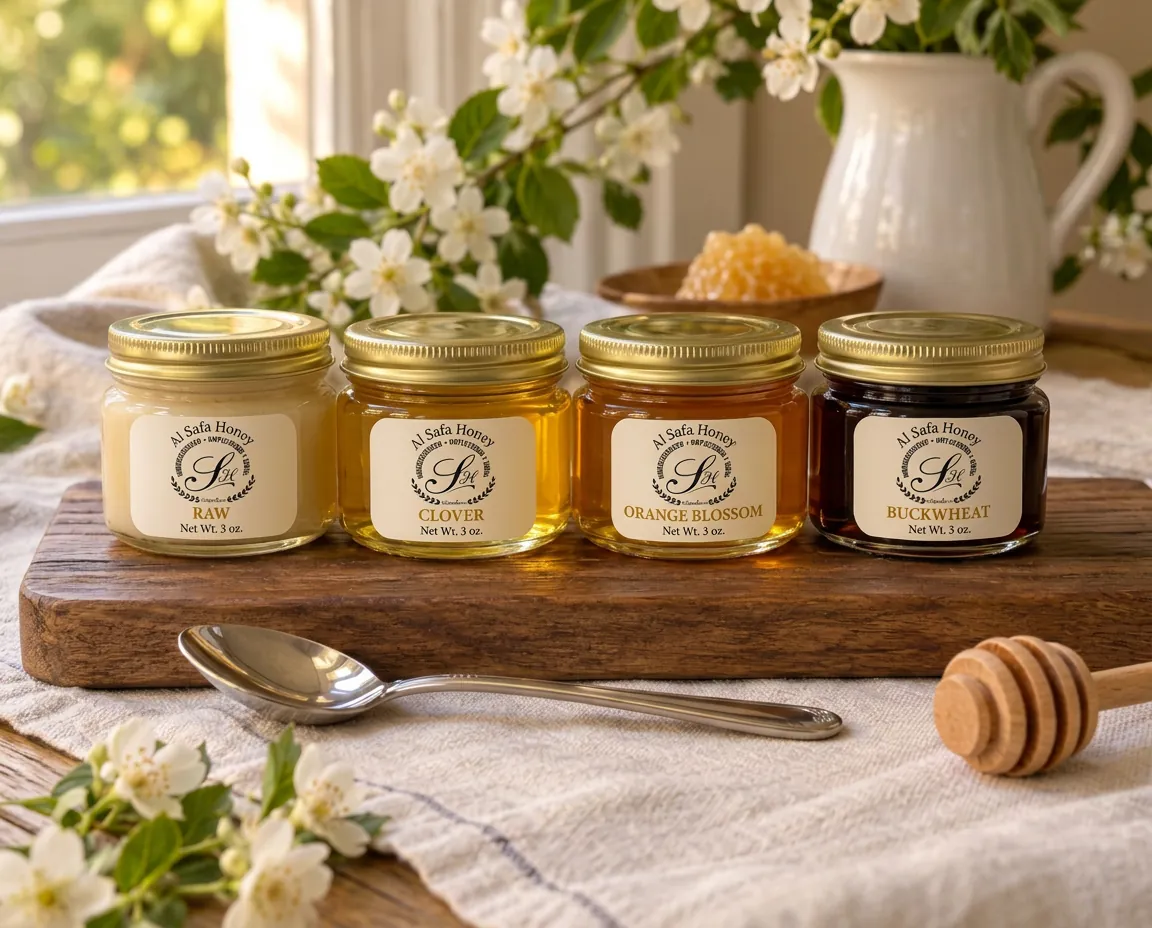
Place a small amount of each honey on a white plate or hold the jar to the light. Notice color, from water white to dark amber, and clarity. Raw honey may look slightly cloudy from natural pollen and fine particles. Note whether it is liquid, partly crystallized or fully set.
Color is graded on the USDA honey color scale, which ranges from water white to dark amber.
Step 2: Smell
Smell is a huge part of flavor. Warm the honey slightly by holding the spoon in your hand for a moment, then breathe in. Is the aroma floral, fruity, herbal, woody or earthy? Is it faint or strong? Our article on honey aroma compounds explains where those smells come from.
Step 3: Taste
Put a small amount on your tongue and let it melt rather than swallowing right away. Notice sweetness, any acidity or bitterness, and the texture: smooth, thick, grainy or creamy. Breathe out gently through your nose to catch more aroma.
Step 4: Finish
After swallowing, notice the aftertaste. Does it disappear quickly or linger? Light honeys often finish clean, while dark honeys like buckwheat can linger for a long time. Sip water and eat a plain cracker before the next sample.
Describing what you taste
Common honey tasting words and examples:
| Family | Descriptors | Example honeys |
|---|---|---|
| Floral | Citrus blossom, rose, violet | Orange blossom, clover |
| Fruity | Berry, stone fruit, dried fruit | Blueberry blossom |
| Warm | Caramel, butterscotch, toasted | Wildflower |
| Herbal or resinous | Hay, herbs, resin | Knotweed, sunflower |
| Earthy | Malt, molasses, barnyard | Buckwheat |
Order matters
Always taste from lightest to darkest. Strong honeys coat the palate and can make delicate honeys taste flat. If a honey surprises you, revisit it at the end with a fresh palate.
Hosting a honey tasting
Invite friends, number the honeys without names, and ask everyone to note what they taste. Reveal the floral sources at the end and compare notes. Add cheese, fruit and nuts for a second round of pairings. Our honey and cheese pairing guide helps plan it.
Honey tasting with kids
Children over 12 months often love honey tasting as a sensory game. Ask them to describe colors and smells in their own words. Never give honey to babies under 12 months.
Honeys to start with
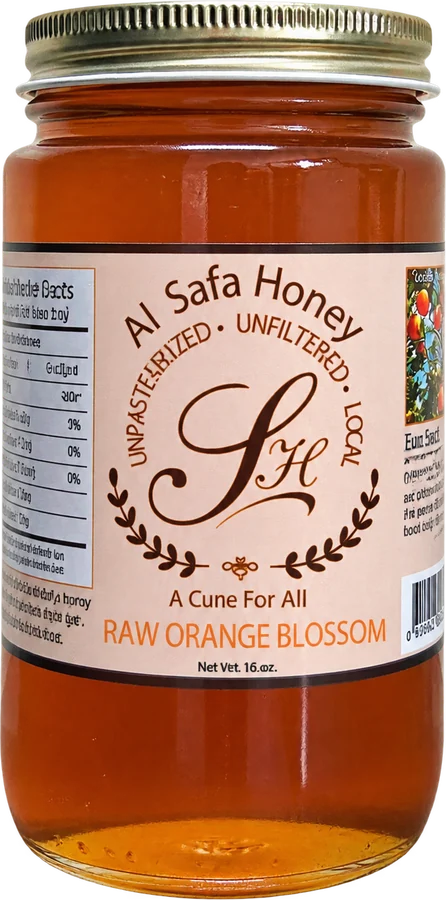
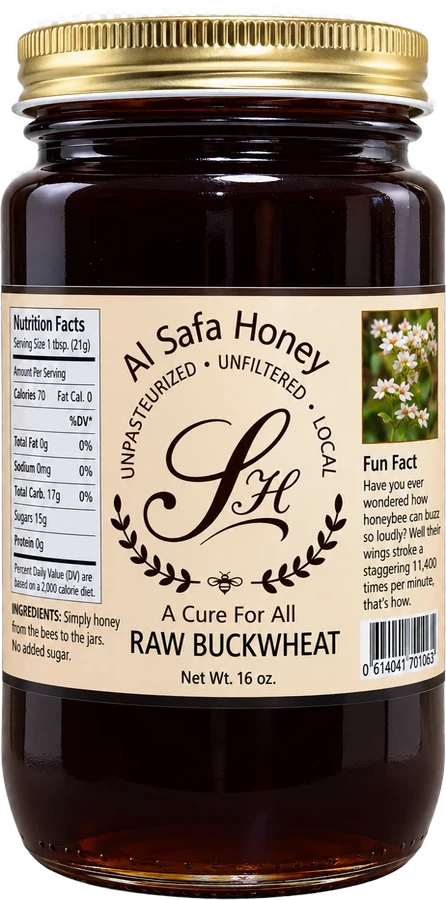
A good beginner flight includes Raw Orange Blossom Honey from Florida, Raw Wildflower Honey from New York State, Raw Sunflower Honey from New York State for texture, and Raw Buckwheat Honey from New York State for a bold finish. The Pure Raw Honey Sampler lets you pick four.
The takeaway
Honey tasting is simple: look, smell, taste and notice the finish, moving from light to dark. A flavor wheel helps you describe what you find, and a few jars turn any evening into a tasting.
Common honey tasting mistakes
Tasting cold honey straight from the fridge mutes aroma, so let jars sit at room temperature. Using too much honey per taste overwhelms the palate; a quarter teaspoon is enough. Wearing perfume or tasting right after coffee also makes it harder to pick up delicate notes. Finally, do not rush: give each honey a minute to develop on your tongue.
Keeping a honey tasting journal
Write the honey's name, floral source, region, color, aroma words, flavor words and a simple score. Over time, you will see patterns, such as preferring floral honeys in summer and darker ones in winter. A journal also makes reordering easy.
Build your tasting flight
Start with the Pure Raw Honey Sampler and then reorder your favorites. Save with a 3 jar or 6 jar pack of any honey, and orders over $50 ship free. Explore our shop.
Sources
Outside health sources we used for this article. They open in a new tab.
- Honey Flavor and Aroma Wheel Complete · UC Davis Honey and Pollination Center
- United States Standards for Grades of Extracted Honey · USDA Agricultural Marketing Service
- Foods and Drinks to Avoid or Limit (infants and toddlers) · Centers for Disease Control and Prevention
Frequently asked questions
- How do you taste honey properly?
- Look, smell, let it melt on your tongue and notice the finish, from light to dark.
- What is the honey flavor wheel?
- A tool from UC Davis with nearly 100 descriptors for honey aroma and flavor.
- What order should I taste honey in?
- Lightest to darkest.
- What should I eat between honeys?
- Water and plain crackers or apple slices.
- Why does raw honey look cloudy?
- Natural pollen and fine particles remain in it.
- How many honeys for a tasting?
- Three to six is a good range.
- Can children do a honey tasting?
- Children over 12 months can. Never give honey to babies.
Al Safa Honey is a food producer, not a medical provider. Nothing here is medical advice, and these statements have not been evaluated by the Food and Drug Administration. Talk to your doctor about any health concern. Never give honey of any kind to a baby under 12 months old.