Honey and Cheese Pairing: Which Honey Goes With Which Cheese
A good honey and cheese pairing works for the same reason salted caramel does: salt, fat and tang make sweetness taste deeper, and sweetness makes salty, funky cheese easier to love. Yet a random honey on a random cheese is often just fine rather than memorable. Match the weight and character of each, and the combination becomes the best bite on the board. Here is how to choose, a pairing table you can use tonight, and a step-by-step plan for building a board around honey.
Why honey and cheese work together
Cheese brings salt, fat, acidity and savory depth. Honey brings sugar, a little acidity of its own, and aroma. On the palate the sugar balances salt and sharpness, the honey's acids lift rich fat, and the floral or malty notes add a layer the cheese does not have by itself. That is why a teaspoon of honey can make a sharp blue taste almost creamy.
Texture matters as much as flavor. A runny honey seeps into a soft cheese and melts into it, while a thick or crystallized honey sits on top of a firm cheese in a satisfying little cap. Raw honeys that have naturally set, like sunflower, are easy to spoon onto crumbly cheeses without drips running across the board.
The common mistake is treating all honey as interchangeable. A delicate orange blossom honey disappears under a pungent blue, and a black buckwheat flattens a fresh chevre. Pairing is mostly about keeping one from shouting over the other.
The three rules of honey and cheese pairing
You do not need a sommelier's vocabulary to pair well. Three simple ideas will cover almost every cheese you find at the counter.
- Match weight: light honey with fresh or soft cheese, dark honey with aged, salty or blue cheese.
- Contrast or echo: either oppose the cheese (sweet honey against salty blue) or echo it (fruity honey with fruity alpine cheese).
- Think about origin: honey and cheese from similar landscapes, such as citrus honey with Mediterranean goat cheese, often share a natural harmony.
- Use less than you think: a thin drizzle or a quarter teaspoon per bite is plenty.
- Taste the cheese alone first, then with honey, so you notice what the honey adds.
Honey and cheese pairing chart
This chart lists the cheese styles that show up on most boards and the honeys that suit them. The first honey listed is the classic match; the second is a good alternative from a different flavor family.
Treat the chart as a starting point. Cheeses vary a lot within a style, and a young cheddar behaves more like a mild cheese than a crumbly three-year-old one, so taste and adjust.
| Cheese | Character | Best honey | Also try |
|---|---|---|---|
| Fresh goat cheese (chevre) | Tangy, creamy, bright | Orange blossom | Clover |
| Ricotta, burrata | Milky, delicate | Orange blossom | Clover |
| Brie, camembert | Buttery, mushroomy | Clover | Blueberry blossom |
| Aged goat cheese | Firm, nutty, tangy | Blueberry blossom | Wildflower |
| Manchego | Nutty, salty, firm | Knotweed | Wildflower |
| Aged cheddar | Sharp, crystalline | Buckwheat | Knotweed |
| Blue cheese (gorgonzola, stilton) | Salty, pungent, creamy | Buckwheat | Pure raw (amber) |
| Aged gouda | Caramel, butterscotch | Wildflower | Buckwheat |
| Parmesan, pecorino | Salty, granular, savory | Knotweed | Buckwheat |
| Gruyere, comte | Fruity, nutty, alpine | Sunflower | Wildflower |
Light honeys for soft and fresh cheeses
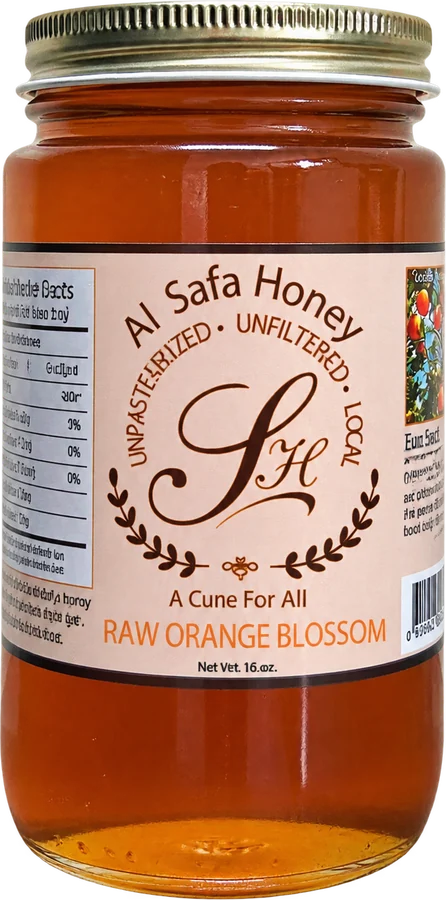
Fresh cheeses taste of milk and acidity, so they need a honey with lift rather than weight. Orange blossom, harvested in Florida citrus groves, is the standout. Its perfumed, citrus-blossom aroma meets the lactic tang of goat cheese the way a squeeze of lemon would, and on warm ricotta with cracked black pepper it is close to dessert.
Clover is the gentle option for bloomy-rind cheeses like brie. Its clean, softly floral flavor sweetens the buttery paste without masking the mushroomy rind. Blueberry blossom works here too, adding a round, fruit-blossom note that suits a slightly riper brie or a creamy triple-cream.
For a party, bake a small wheel of brie for 10 minutes, then pour a spoonful of clover or blueberry blossom honey over the top with toasted walnuts. The warmth loosens the honey so it pools into the cheese.
Dark honeys for blue, aged and hard cheeses
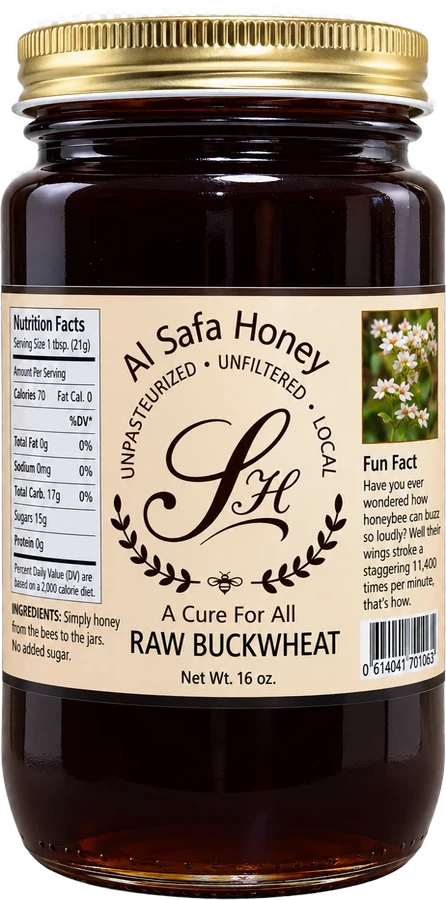
Strong cheeses need a honey with backbone. Buckwheat, nearly black and malty, is the classic partner for blue cheese and aged cheddar. Its slight bitterness echoes the sharpness of the cheese while its molasses-like sweetness tames the salt, and the combination tastes a little like a good port with stilton.
Knotweed, a dark herbal honey from North Dakota, is a quieter alternative. Its resinous, full-bodied character is lovely with manchego, pecorino and other firm sheep's milk cheeses, which share a nutty, slightly grassy profile. It is also a strong match for parmesan shards.
Wildflower sits in the middle. Because its flavor shifts with the season, it pairs broadly with caramel-noted aged gouda, firm goat cheeses and alpine cheeses. If you only buy one honey for a mixed board, a good wildflower is the most forgiving choice.
How to build a honey and cheese board
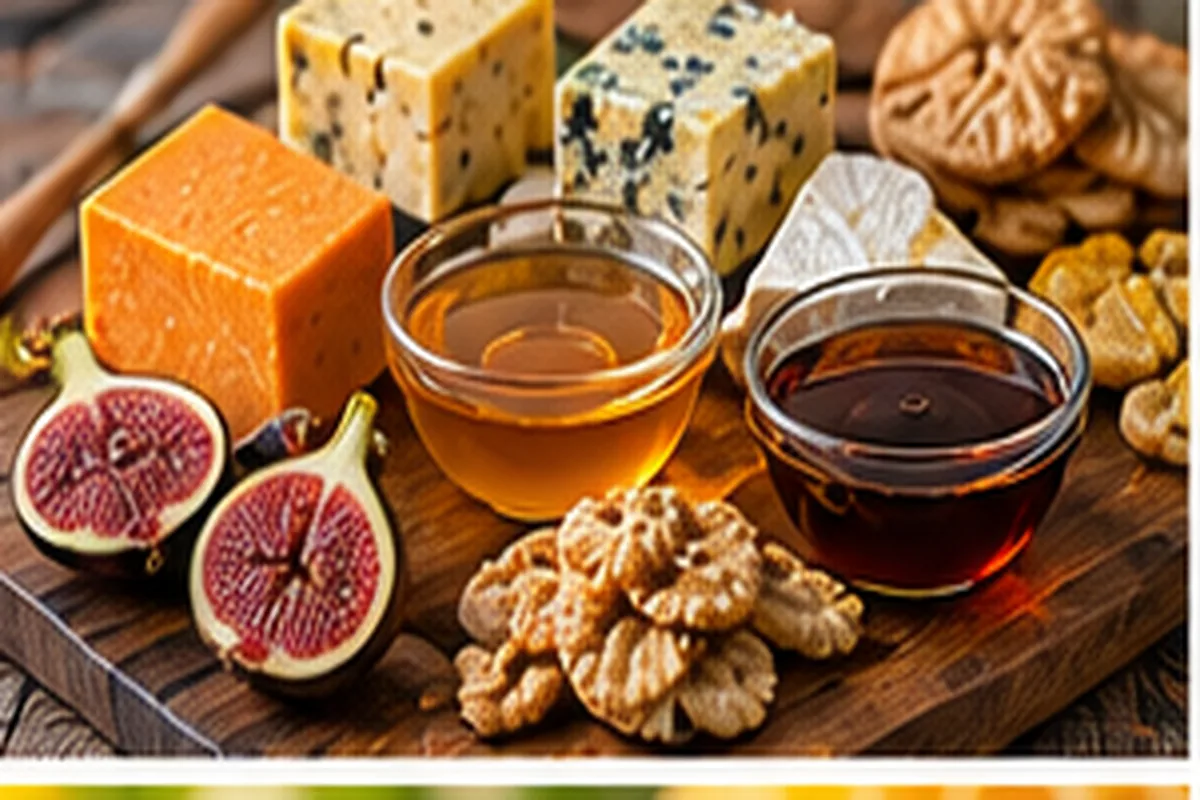
A balanced board offers contrast in milk, texture and intensity, then gives each cheese a honey partner. Plan on 2 to 3 ounces of cheese per guest as an appetizer, or 4 to 5 ounces if the board is the meal.
Serve honey in small bowls with little spoons or honey dippers rather than drizzling it over everything in advance. Guests can then try each cheese both ways. Label the honeys with small cards so people know what they are tasting; it starts conversation, and the tasting itself becomes the entertainment.
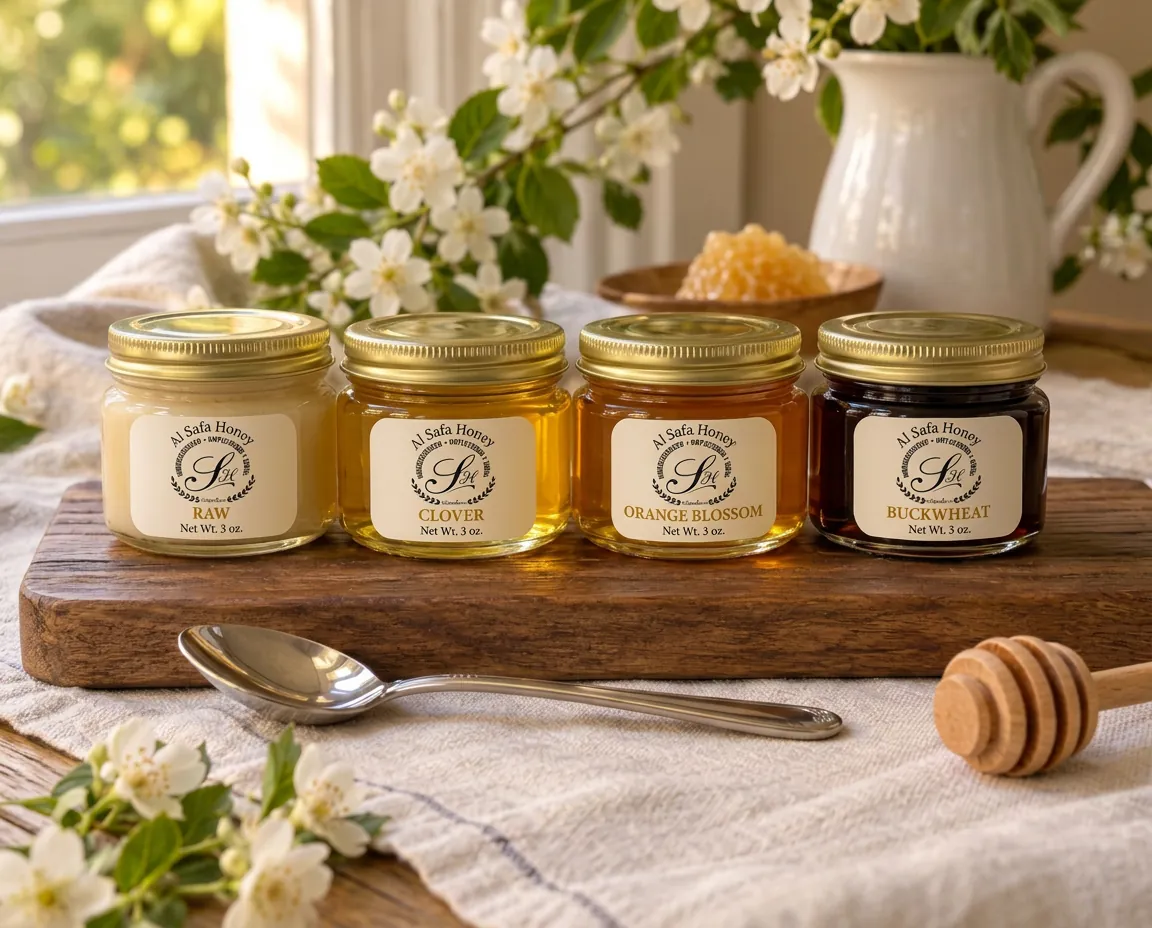
If you want to try several honeys without committing to full jars, a sampler of four small jars, such as clover, orange blossom, knotweed and buckwheat, covers the whole light-to-dark range a board needs.
- Choose 3 to 5 cheeses: one fresh, one bloomy, one firm, one blue or very aged.
- Choose 2 to 3 honeys: one light and floral, one medium, one dark.
- Set each honey near its best cheese match, in a small bowl with a spoon.
- Add crunch: crackers, toasted baguette, walnuts, marcona almonds.
- Add fruit: pears, figs, apples, grapes, dried apricots.
- Add salt: prosciutto, salami, olives, a little flaky salt.
- Take cheese out of the fridge 45 to 60 minutes before serving.
Common honey and cheese pairing mistakes
Most disappointing pairings come down to a handful of habits. The biggest is pouring honey over a whole wedge before guests arrive. It slides off firm cheese, soaks into soft cheese, and leaves nobody the option of tasting the cheese on its own. Serve it on the side instead.
The second is serving cheese straight from the refrigerator. Cold mutes both fat and aroma, so the honey ends up doing all the talking. The third is crowding the board with too many strong flavors at once, such as a smoked cheese, a spicy salami and a dark honey side by side, which leaves the palate tired after a few bites.
Finally, many people forget that crystallized honey is an asset here, not a flaw. A spoonful of set sunflower or clover honey stays exactly where you put it on a slice of aged cheddar, which makes it neater for guests and easier to pair one bite at a time.
- Do not pre-drizzle: serve honey in bowls with spoons.
- Do not serve cheese cold: let it come to room temperature.
- Do not pair a delicate honey with a pungent blue.
- Do not overload one bite: a little honey goes a long way.
- Do not forget something plain, like crackers, to reset the palate.
Frequently asked questions
- What honey goes best with blue cheese?
- Dark, robust honey such as buckwheat is the classic choice, because its malty bitterness balances the salt and funk of blue cheese. If you prefer something softer, an amber all-purpose raw honey also works.
- Should honey for a cheese board be raw?
- It does not have to be, but raw single-origin honeys have more distinct aromas, which is what makes a pairing interesting. Heavily processed blended honey tends to taste only sweet.
- Is it okay if the honey has crystallized?
- Yes. Crystallized honey is easy to spoon onto firm and crumbly cheeses and will not run across the board. If you want it pourable for soft cheese, set the jar in warm water for a few minutes.
- How much honey should I put out per person?
- About 1 to 2 tablespoons per guest across all the honeys is plenty, since each bite uses only a small amount. Put out less and refill rather than leaving large bowls open.
- What wine goes with a honey and cheese board?
- A lightly sweet white such as riesling or a sparkling wine flatters most pairings. With blue cheese and buckwheat honey, a tawny port or a dark beer is hard to beat.
Al Safa Honey is a food producer, not a medical provider. Nothing here is medical advice. Never give honey of any kind to a baby under 12 months old.