Cranberry Honey: A Rare, Ruby-Toned Honey From Cranberry Bogs
Cranberry honey is a small, regional honey made when honey bees are brought in to pollinate cranberry bogs. It is reddish amber, with a rich, fruity flavor and a faintly tart finish, and it is far less common than the berries themselves. This guide explains how cranberry honey is made, where it comes from, how it tastes and how to use it, especially around the holidays.
How cranberry honey is made
Cranberries need bees. Cranberry flowers must be pollinated to set fruit, and growers in Wisconsin, Massachusetts, New Jersey and the Pacific Northwest rent large numbers of honey bee colonies each June and July for the bloom. While pollinating, the bees collect nectar from the small pink flowers, and when the bloom is strong, beekeepers can harvest a separate cranberry honey.
Cranberry nectar is not the bees' favorite, and nearby wildflowers often draw them away, so pure cranberry honey is limited. Wisconsin, the largest cranberry-growing state, is a leading source.
What cranberry honey tastes like
Cranberry honey is medium to dark amber, often with a reddish or ruby tint. It tastes rich and fruity, with a gentle tartness at the end that recalls the berry, though it is still very much honey rather than fruit. It is bolder than clover and more fruit-forward than wildflower.
How to use cranberry honey
Cranberry honey is a natural holiday honey. Use it in cranberry sauce, on turkey or ham glazes, in pumpkin or cranberry bread, on baked brie with walnuts, or in hot tea. It pairs well with orange, cinnamon and ginger, and with sharp cheddar.
- Sweeten homemade cranberry sauce
- Glaze for turkey, ham or pork
- Baked brie with walnuts and orange zest
- Cranberry orange muffins or bread
- Hot tea with orange peel
Cranberry honey vs blueberry honey
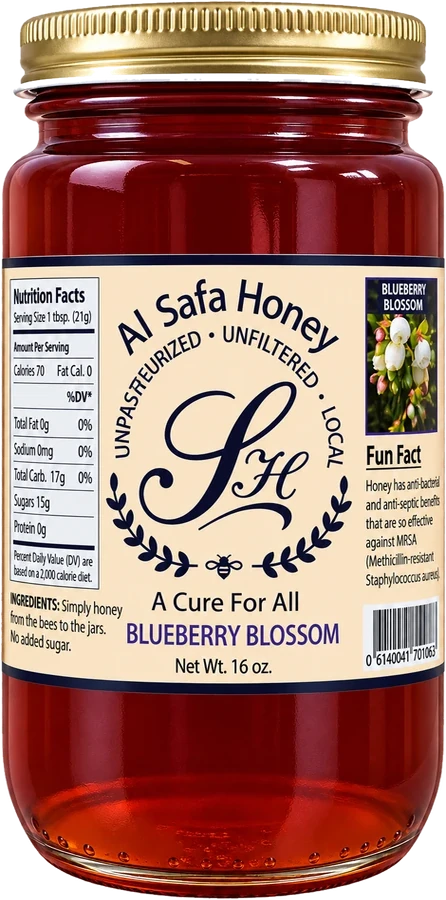
Both come from bees pollinating fruit crops, and both are named for the blossom, not the fruit. Blueberry blossom honey is usually a little lighter and rounder, with a soft, warm fruitiness, while cranberry honey is darker and slightly tart. Our blueberry honey guide covers blueberry blossom in detail.
Al Safa honeys for cranberry fans
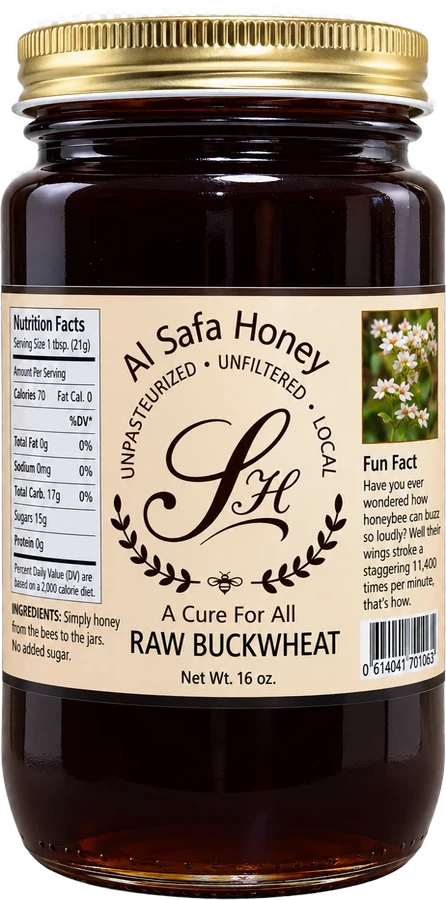
We do not sell cranberry honey. For a fruit-blossom honey with a rounded, fruity character, try our Blueberry Blossom honey, harvested in New York State. For holiday baking and glazes with more depth, our Buckwheat honey is a bold option.
Cranberry honey vs cranberry-flavored honey
Some products sold as cranberry honey are honey blended with dried cranberries, cranberry juice or flavoring. These can be tasty, but they are a different product from a varietal honey made from cranberry blossom nectar. Check the ingredient list: a varietal honey lists only honey, while a blend lists the added fruit or flavor.
A varietal cranberry honey usually names the state or bog area it came from and is often sold by the beekeepers who pollinate those bogs. Wisconsin and Massachusetts producers sell it at farm stands and online, often in small amounts each year.
Storing cranberry honey
Store it sealed in a cool cupboard. Darker honeys like cranberry can crystallize over time; warm the jar gently in warm water to soften it. Honey kept this way stays good for years; see does honey go bad.
Frequently asked questions
- Is cranberry honey made with cranberries?
- No. It is made by bees from cranberry blossom nectar. No fruit or juice is added.
- Where is cranberry honey from?
- Mainly Wisconsin and Massachusetts, where honey bees pollinate cranberry bogs each summer.
- What does cranberry honey taste like?
- Rich and fruity with a slightly tart finish, and a reddish amber color.
- When is cranberry honey harvested?
- After the cranberry bloom in June and July.
- Is cranberry honey sweet?
- Yes. It is sweet like all honey, with a slightly tart, fruity finish.
- Can I use cranberry honey in cranberry sauce?
- Yes. Replace some or all of the sugar with honey, using about three quarters of the amount, and simmer as usual.
Al Safa Honey is a food producer, not a medical provider. Nothing here is medical advice. Never give honey of any kind to a baby under 12 months old.