Honey Glazed Pork Chops: Juicy Skillet Chops With a Sticky Glaze
Honey glazed pork chops are a fast dinner that tastes like Sunday cooking: chops seared until golden, then finished in a glossy honey, garlic and mustard glaze. Pork and honey are a classic match, and the key to keeping the chops juicy is simple: buy them thick, sear them hot, and pull them at the right temperature. This guide covers all three, plus glaze variations and sides.
Choosing the chops
Thickness matters more than anything. Chops about 1 to 1 1/4 inches thick have time to brown on the outside before the center overcooks. Thin chops cook through in a couple of minutes and dry out easily. Bone-in chops have a little more flavor and are slightly more forgiving; boneless cook a bit faster.
Take the chops out of the fridge 20 to 30 minutes before cooking, pat them very dry and season generously with salt and pepper.
- 4 pork chops, 1 to 1 1/4 inches thick
- Salt, pepper and 1 tablespoon neutral oil
- 2 tablespoons butter and 2 garlic cloves, minced
- 3 tablespoons honey
- 1 tablespoon Dijon mustard and 1 tablespoon apple cider vinegar
- Fresh thyme or rosemary
Method
Heat the oil in a heavy skillet over medium-high heat until shimmering. Add the chops and sear without moving them for 4 to 5 minutes, until deeply golden. Flip and sear 3 minutes more. Lower the heat to medium-low, add the butter, garlic and herbs, and let the garlic sizzle for 30 seconds.
Whisk the honey, mustard and vinegar, pour into the pan and tilt it so the glaze pools. Spoon it over the chops continuously for 2 to 3 minutes as it bubbles and thickens. Check the temperature: the USDA safe minimum for pork chops is 145°F, followed by a 3-minute rest. Transfer to a plate, spoon the remaining glaze over and rest before cutting.
Why 145°F, not well done
Older advice said to cook pork to 160°F, which made chops dry and tough. In 2011 the USDA lowered the safe minimum for whole cuts of pork to 145°F with a 3-minute rest. At that temperature the center may be slightly pink and is much juicier. Ground pork is different and should reach 160°F.
Glaze variations
Pork goes well with fruit, mustard and warm spices.
- Honey apple: add 1/4 cup apple cider and sliced apples to the pan
- Honey balsamic: replace cider vinegar with balsamic and add rosemary
- Honey soy ginger: 1 tablespoon soy sauce and 1 teaspoon grated ginger
- Honey mustard: double the mustard and use whole-grain
- Honey peach: stir in 2 tablespoons peach preserves in summer
Which honey to use
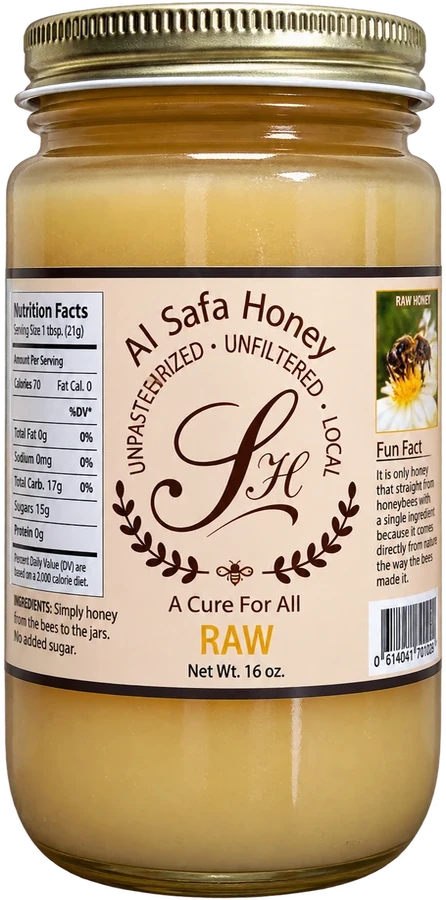
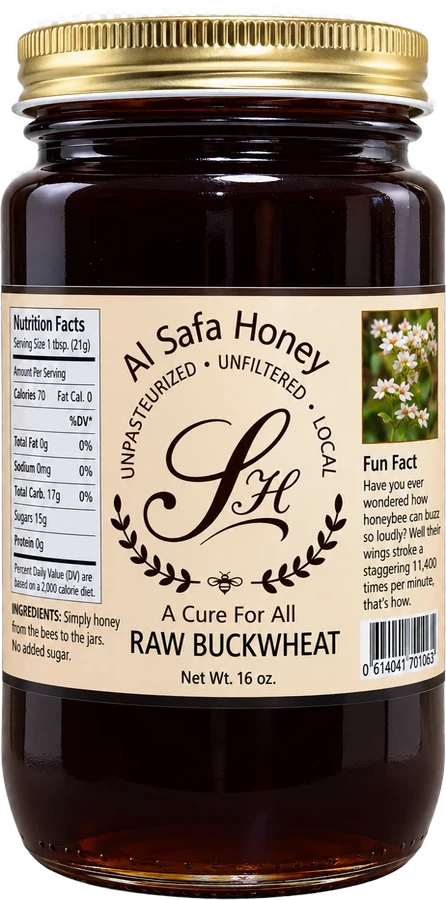
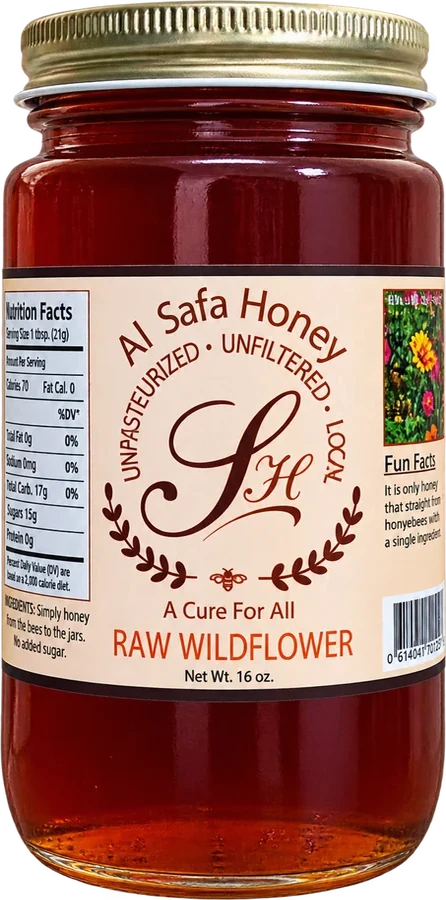
Pork is mild and slightly sweet, so it takes well to both mellow and bold honeys. Pure Raw or Wildflower gives a balanced glaze. Buckwheat adds a deep, smoky-sweet note that is excellent with mustard and apple. Crystallized honey melts easily into the warm pan.
What to serve with honey glazed pork chops
Mashed potatoes or roasted potatoes catch the glaze. Applesauce, sautéed greens, green beans, honey glazed carrots or honey glazed Brussels sprouts round out the plate.
Brining for extra-juicy chops
If you have 30 minutes, a quick brine makes a noticeable difference. Dissolve 3 tablespoons salt and 1 tablespoon honey in 4 cups of water, submerge the chops and refrigerate for 30 minutes to 2 hours. Rinse, pat very dry and skip the extra salt when seasoning. The salt helps the meat hold on to moisture as it cooks, so the chops stay tender even if they go a few degrees past 145°F.
Sources
- Safe Temperature Chart · USDA Food Safety and Inspection Service
Frequently asked questions
- What temperature should pork chops be cooked to?
- 145°F in the thickest part, followed by a 3-minute rest, according to the USDA.
- How do I keep pork chops from drying out?
- Buy thick chops, sear over high heat, finish over lower heat, and take them off at 145°F. Resting keeps the juices in.
- Can I bake honey glazed pork chops?
- Yes. Sear them, then finish in a 400°F oven, brushing with glaze, for 6 to 10 minutes until they reach 145°F.
- Bone-in or boneless pork chops?
- Either works. Bone-in chops are slightly juicier and more flavorful; boneless cook a little faster.
Al Safa Honey is a food producer, not a medical provider. Nothing here is medical advice. Never give honey of any kind to a baby under 12 months old.