Honey Glazed Salmon: Baked, Pan-Seared or Broiled in 20 Minutes
Honey glazed salmon is the kind of dinner that looks like effort but takes about 20 minutes. Rich salmon and a sticky honey glaze balance each other perfectly, and the honey caramelizes into a lacquered top. This guide gives you a base glaze, three cooking methods, timing and temperature guidance, and the honeys and sides that work best.
The honey glaze
The glaze is a balance of sweet, salty and sour. Honey brings sweetness and shine, soy sauce brings savory depth, lemon brightens, and a little mustard helps it cling. Make a double batch and keep half aside, untouched by raw fish, to spoon over at the table.
- 3 tablespoons honey
- 2 tablespoons soy sauce (or 1 tablespoon each soy and orange juice)
- 1 tablespoon lemon juice
- 2 garlic cloves, minced
- 1 teaspoon Dijon mustard
- 4 salmon fillets, about 6 oz (170 g) each, skin on or off
Three ways to cook it
Baking is the most forgiving. Pan-searing gives a crisp skin and a reduced, sticky sauce. Broiling is the fastest and gives the most caramelization, but needs close attention because honey burns quickly under direct heat.
| Method | How | Time |
|---|---|---|
| Baked | 400°F on a lined sheet; brush glaze at start and halfway | 10 to 14 minutes |
| Pan-seared | Sear skin side down 4 to 5 minutes, flip, add glaze and simmer | 8 to 10 minutes |
| Broiled | 6 inches from the broiler; glaze at start and after 4 minutes | 7 to 9 minutes |
| Air fryer | 390°F; brush glaze in the last 3 minutes | 8 to 10 minutes |
How to know when salmon is done
The USDA safe minimum temperature for fish is 145°F, measured at the thickest part. At that point the flesh is opaque and flakes easily with a fork. Many cooks pull salmon a little earlier for a softer, more translucent center and let carryover heat finish it; follow the USDA guidance if you are serving anyone who is pregnant, very young, older or immunocompromised.
Thickness matters more than weight. A 1-inch-thick fillet bakes in about 12 minutes at 400°F; a thin tail piece may be done in 8.
Glaze variations
Change one or two ingredients to give the dish a different direction.
- Honey mustard: 3 tablespoons honey, 2 tablespoons whole-grain mustard, lemon, dill
- Honey ginger: add 1 teaspoon grated ginger and a few drops of sesame oil
- Honey lime: lime juice and zest instead of lemon, plus cilantro
- Honey orange: orange juice and zest with orange blossom honey
- Honey balsamic: 1 tablespoon balsamic vinegar in place of soy sauce
Which honey to use
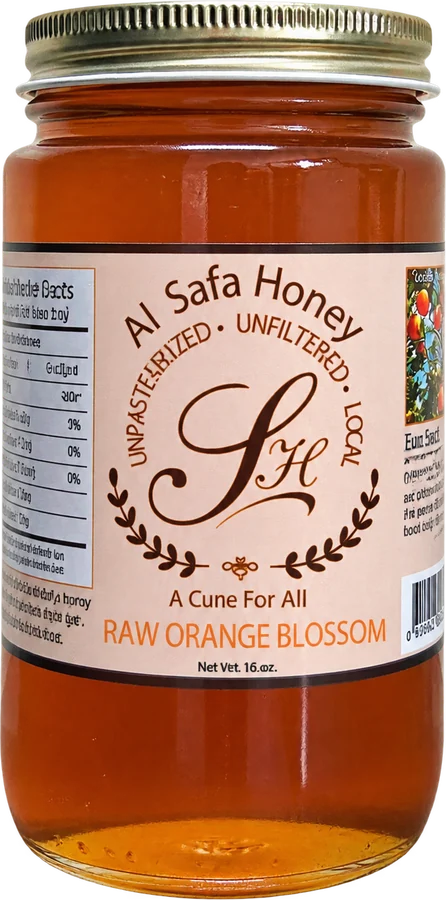
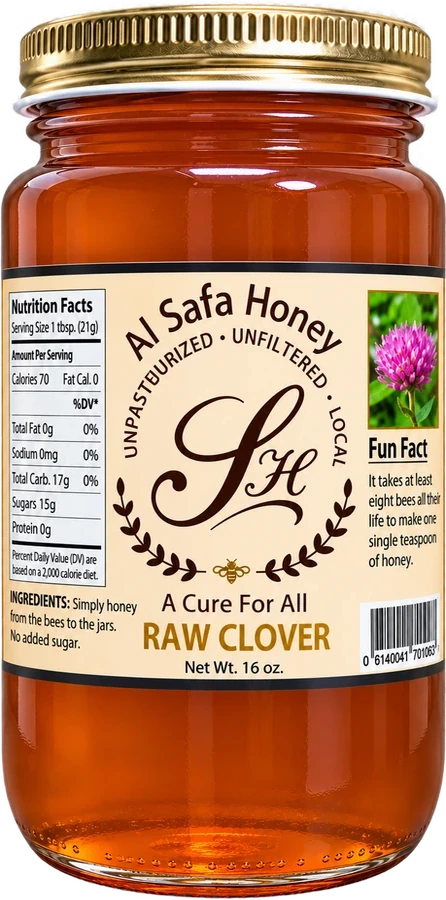
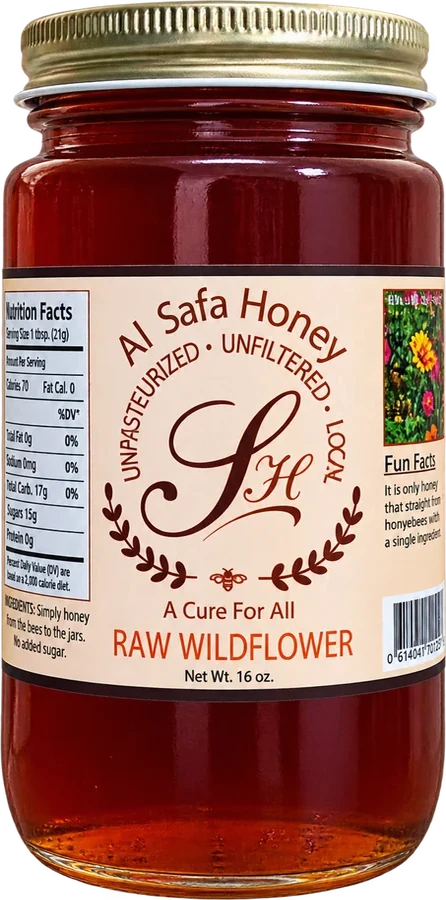
Salmon is rich, so it pairs with both light and medium honeys. Orange Blossom honey makes a bright, citrusy glaze. Clover is clean and lets the garlic and soy lead. Wildflower adds a little more depth. Very dark buckwheat honey can overpower salmon, so use it only in small amounts.
What to serve with it
Rice, quinoa or couscous catches the extra glaze. Roasted asparagus, green beans, broccoli or honey glazed carrots make an easy side. For a lighter meal, serve flaked honey glazed salmon over greens with a honey vinaigrette.
Sources
- Safe Temperature Chart · USDA Food Safety and Inspection Service
Frequently asked questions
- What temperature should honey glazed salmon be?
- The USDA safe minimum for fish is 145°F at the thickest point, when the flesh is opaque and flakes easily.
- How do I stop the honey glaze from burning?
- Line the pan with parchment or foil, keep the broiler at least 6 inches away, and add the last coat of glaze in the final few minutes.
- Can I use frozen salmon?
- Yes. Thaw it overnight in the fridge for the best texture, or bake from frozen at 400°F for about 18 to 22 minutes, adding the glaze in the last 8 minutes.
- Should I cook salmon skin side up or down?
- Skin side down on a sheet pan or in a skillet. The skin protects the flesh and crisps nicely when seared.
Al Safa Honey is a food producer, not a medical provider. Nothing here is medical advice. Never give honey of any kind to a baby under 12 months old.