Honey Mustard Dressing: A 5-Minute Recipe That Beats the Bottle
Homemade honey mustard dressing takes five minutes and three or four ingredients, and it tastes brighter and less sugary than most bottled versions. It works as a salad dressing, a dip for chicken tenders and pretzels, a spread for sandwiches and a glaze for salmon. This guide gives you a base ratio, a creamy version, a vinaigrette and a thick dipping sauce, plus which honey and mustard to choose.
The base ratio
Honey mustard is a balance of three things: sweet honey, sharp mustard and a little acid. Start with equal parts honey and mustard, then add acid until it tastes bright. From there you can make it creamier, thinner or thicker depending on how you will use it.
- 1/4 cup Dijon mustard
- 1/4 cup honey
- 2 tablespoons fresh lemon juice or apple cider vinegar
- 1/4 teaspoon salt and a few grinds of black pepper
Three versions: creamy, vinaigrette and dipping sauce
The creamy version is what most restaurants serve with chicken and salads. The vinaigrette is lighter and better on delicate greens. The dipping sauce is thick enough to cling to pretzels and fries.
| Version | Add to the base | Best for |
|---|---|---|
| Creamy | 1/4 cup mayonnaise or Greek yogurt | Chicken salad, Cobb salad, wraps |
| Vinaigrette | 1/4 to 1/3 cup olive oil, whisked in slowly | Green salads, roasted vegetables |
| Dipping sauce | 1/3 cup mayonnaise, less acid | Chicken tenders, pretzels, fries |
Which mustard and which honey
Dijon gives the smoothest, most balanced dressing. Whole-grain mustard adds texture and looks lovely on salads. Yellow mustard makes the classic tangy, ballpark-style dip. Mixing Dijon and whole-grain gives the best of both.
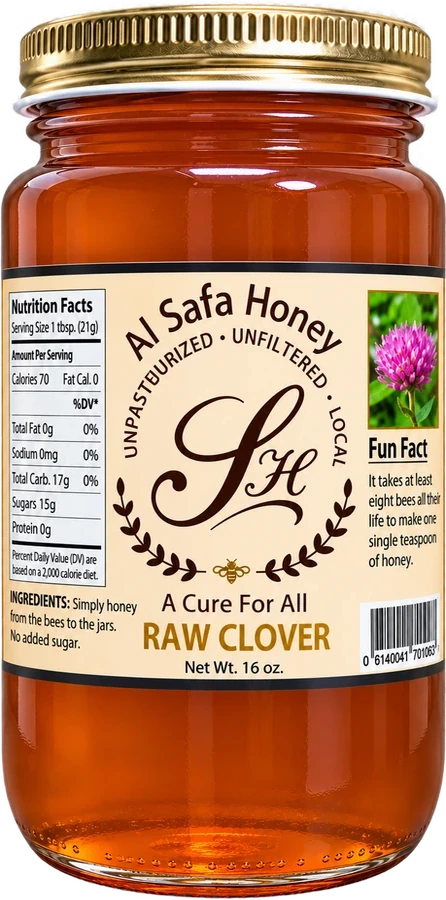
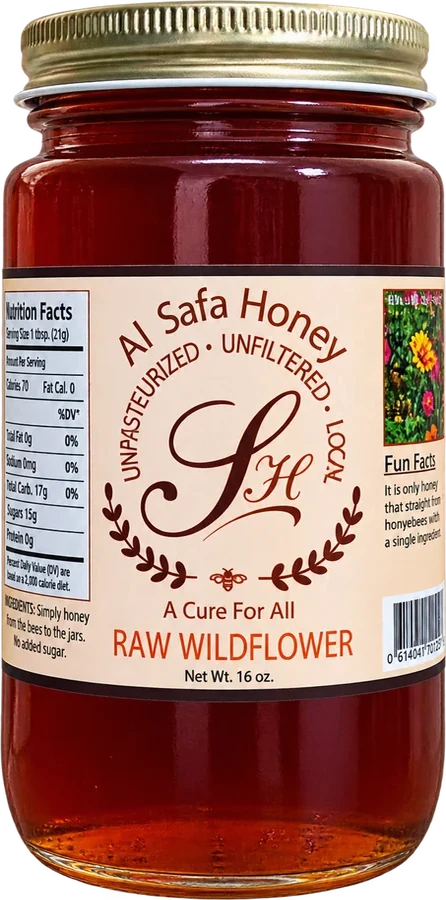
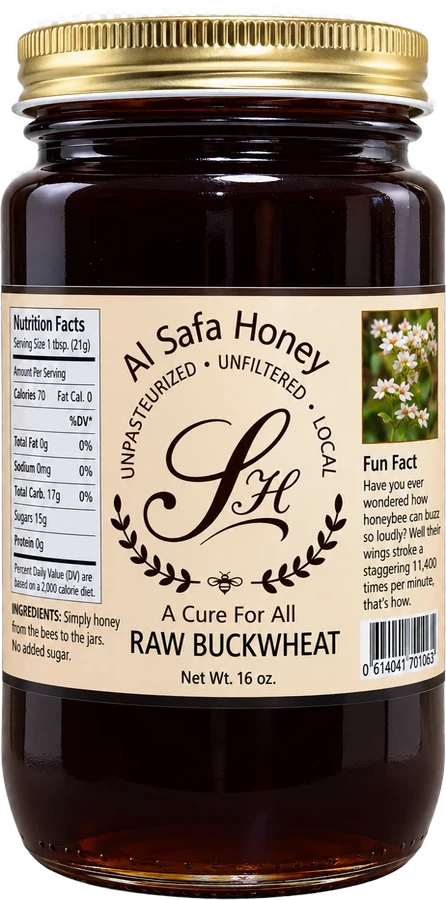
For honey, a mild, light honey like clover keeps the mustard in front. Wildflower or Pure Raw adds more character. For a bold, smoky-sweet dip for pork or sausages, try a spoonful of buckwheat. If your honey has crystallized, it will still whisk in; warm it a little first if it is very firm.
Ways to use honey mustard
Honey mustard is one of the most useful sauces you can keep in the fridge. Beyond salad, it makes a fast glaze: brush it on salmon or chicken thighs before baking, or on a ham in the last 20 minutes. It is excellent on a turkey or ham sandwich, as a dip for raw vegetables, tossed with roasted potatoes, or stirred into chicken salad. See also honey glazed salmon.
- Salad dressing for spinach, apple and walnut salads
- Dip for chicken tenders, pretzels, fries and vegetables
- Glaze for salmon, chicken, pork chops or ham
- Sandwich spread for turkey, ham and cheddar
- Tossed with roasted carrots or Brussels sprouts
Storage and make-ahead
Store honey mustard in a sealed jar in the refrigerator. The oil-and-vinegar version keeps for about two weeks; versions with mayonnaise or yogurt are best within a week. The dressing thickens when cold, so let it sit out for ten minutes or whisk in a teaspoon of water before using. Shake vinaigrette versions before each use, as the oil separates.
Homemade vs bottled honey mustard
Bottled honey mustard often lists sugar or corn syrup ahead of honey, along with thickeners and preservatives so it stays the same for months. Homemade honey mustard uses real honey and real mustard, so you taste both clearly, and you control the sweetness. It also costs very little: a quarter cup each of honey and mustard makes enough dressing for several salads.
The flavor difference is noticeable. A good raw honey brings floral or malty notes that play off the sharpness of Dijon, while syrup-sweetened dressings taste simply sweet. If you have never made it before, start with equal parts honey and mustard and adjust from there.
Troubleshooting
Most problems with honey mustard come down to balance and temperature.
- Too sharp: add honey a teaspoon at a time, or a spoon of mayonnaise
- Too sweet: add more mustard or a splash of vinegar
- Too thick: whisk in water or lemon juice a teaspoon at a time
- Separating vinaigrette: whisk in the oil slowly, or add a little more mustard, which helps emulsify
- Grainy honey: warm crystallized honey gently before whisking
Frequently asked questions
- What is honey mustard made of?
- Honey, mustard and a little acid such as lemon juice or vinegar, often with mayonnaise for creaminess or oil for a vinaigrette.
- What is the ratio for honey mustard?
- Start with equal parts honey and mustard, then add about 2 tablespoons of acid per half cup. Adjust sweetness and tang to taste.
- How long does homemade honey mustard last?
- About a week in the fridge with mayonnaise or yogurt, and about two weeks as a vinaigrette or the basic three-ingredient sauce.
- Can I make honey mustard without mayo?
- Yes. The base recipe of honey, mustard and lemon juice needs no mayonnaise. Add olive oil for a vinaigrette or Greek yogurt for a lighter creamy version.
- What can I use instead of Dijon in honey mustard?
- Yellow mustard makes a tangier, classic dip, and whole-grain mustard gives texture. Spicy brown mustard works too. Adjust the honey to balance the sharpness.
Al Safa Honey is a food producer, not a medical provider. Nothing here is medical advice. Never give honey of any kind to a baby under 12 months old.