How to Use Raw Honey: 25 Everyday Ways, From Breakfast to Dinner
Knowing how to use raw honey well is mostly about matching the right jar to the right moment and keeping it away from harsh heat when you want its aroma to shine. Most people buy a good jar, stir it into tea, and then forget it in the cupboard. This guide gives you 25 practical uses across the day, a quick chart for picking a honey by flavor, and the few habits that keep raw honey tasting the way it did when it left the hive.
Start with the flavor of your jar
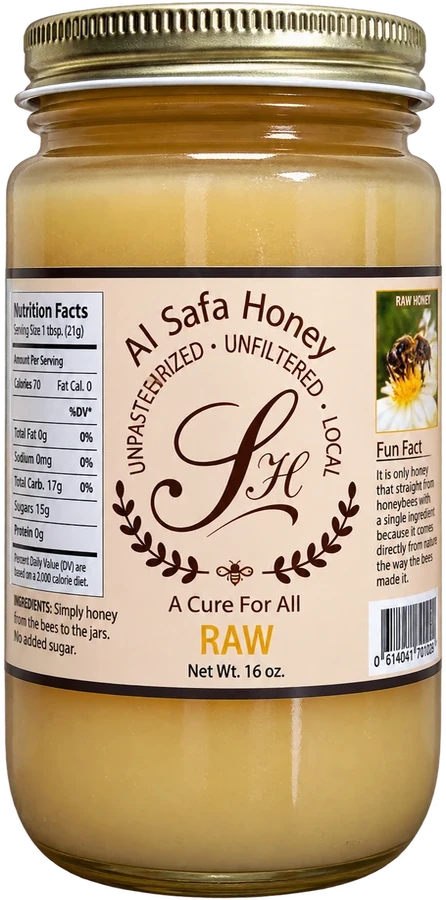
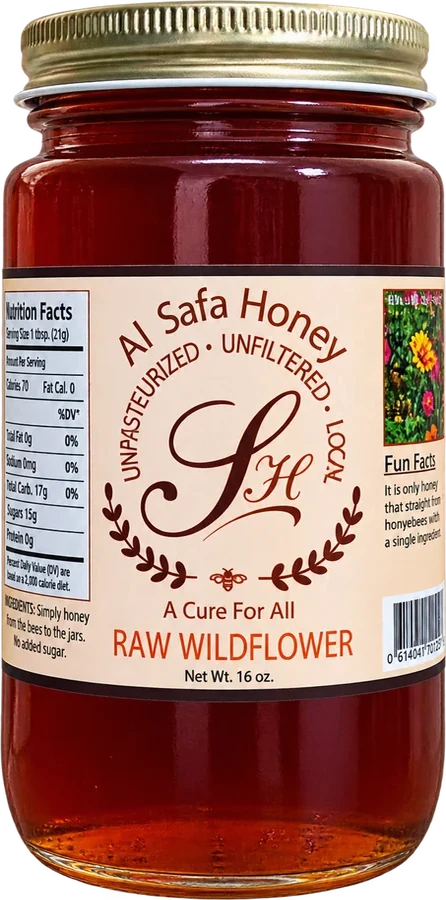
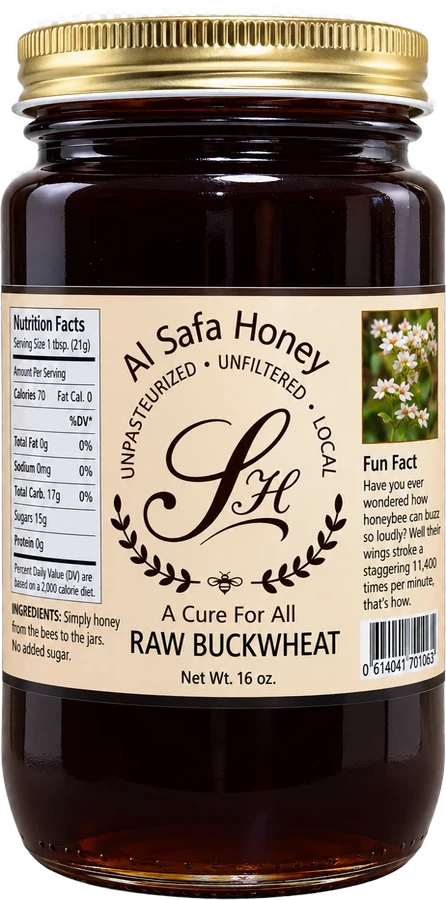
Raw honey is not one flavor. A pale clover honey tastes clean and gentle, a buckwheat honey tastes almost like molasses, and a wildflower honey changes from season to season. Before you decide how to use a jar, taste a little from a spoon and ask whether it is light and floral, round and golden, or dark and bold. That one test tells you more than any recipe.
As a rule, light honeys go where you want sweetness without a strong flavor of their own: tea, lemonade, fruit, vinaigrettes. Medium honeys are the all-rounders. Dark honeys earn their place where there is salt, fat, spice or toasted grain to stand up to them. Our honey flavors guide goes deeper into tasting.
| Flavor family | Example honeys | Best everyday uses |
|---|---|---|
| Light and floral | Clover, orange blossom | Tea, lemonade, fruit, yogurt, dressings |
| Golden and rounded | Pure raw, wildflower, sunflower, blueberry blossom | Toast, oatmeal, baking, marinades |
| Dark and bold | Buckwheat, knotweed | Rye bread, strong cheese, barbecue glazes, gingerbread |
Breakfast: 7 ways to use raw honey in the morning
Breakfast is where raw honey works hardest, because most morning foods are mild, starchy or tangy, which is exactly what honey balances. Spread a thick, set honey straight from the jar onto warm toast so it melts at the edges. Swirl a spoonful into plain Greek yogurt and top it with walnuts. Stir it into oatmeal after it is cooked rather than during, so the aroma stays fresh.
- On buttered toast, bagels or English muffins
- Swirled into plain yogurt with nuts and berries
- Stirred into cooked oatmeal or overnight oats
- Drizzled over pancakes and waffles instead of syrup
- Blended into smoothies with banana and peanut butter
- Baked into homemade granola
- On ricotta toast with black pepper and lemon zest
Drinks: 5 ways to sweeten with honey
Honey dissolves easily in warm liquids but clumps in cold ones, which is why bartenders make honey syrup. For hot tea and coffee, let the drink cool for a minute or two before stirring honey in. For iced drinks, lemonade and cocktails, mix the honey first with an equal amount of warm water and keep that syrup in the fridge.
- Hot tea, once it is off the boil (best honey for tea)
- Coffee and lattes (honey in coffee)
- Iced tea and lemonade, using honey simple syrup
- Warm lemon water first thing in the morning
- Alcohol-free spritzers and honey mocktails
Lunch and dinner: 8 savory uses
Honey is one of the most useful savory ingredients in a kitchen because a small amount rounds out acidity and salt. A teaspoon in a vinaigrette makes the vinegar taste less sharp. A spoonful in a pan sauce at the end gives it gloss. In marinades, honey helps meat brown, though it also burns faster than sugar, so cook over moderate heat.
- Whisked into a honey mustard dressing or vinaigrette
- Brushed onto roasted carrots, squash or sweet potatoes in the last 10 minutes
- Mixed with soy sauce, garlic and ginger as a stir-fry glaze
- Rubbed onto salmon or chicken with mustard and herbs
- Stirred into chili or tomato sauce to soften acidity
- Drizzled over roasted Brussels sprouts with balsamic
- Brushed on a ham for a honey glaze
- Added to barbecue sauce for a stickier finish
Snacks, desserts and baking: 5 more ideas
A board of cheese and fruit with a small bowl of honey is one of the easiest ways to host, and it lets guests taste the honey on its own. For baking, honey keeps cakes and quick breads moist for longer than sugar, and it browns faster, so lower the oven slightly. The baking with honey guide covers the swap in detail.
- Over blue cheese, aged cheddar or goat cheese (cheese pairing)
- On apple slices or pears with a pinch of flaky salt
- Whipped into honey butter for cornbread
- In a moist honey cake or gingerbread
- Tossed with nuts and baked into honey roasted nuts
Habits that keep raw honey at its best
Raw honey keeps for a very long time if you store it tightly closed at room temperature, away from the stove and direct sun. The fridge is not needed and makes honey crystallize faster. If your jar turns solid, that is normal for raw honey; warm it gently in a bowl of warm water. Our guide to crystallized honey explains why.
Always use a clean, dry spoon. A wet spoon adds water, and honey with too much water can start to ferment. When a recipe needs high heat, such as a roast or a bake, the honey still adds sweetness and color; just save your most aromatic jar for uses where it is not cooked.
Sources
- Foods and Drinks to Avoid or Limit (infants) · Centers for Disease Control and Prevention
Frequently asked questions
- Can you cook with raw honey?
- Yes. Raw honey works in baking, roasting, glazes and sauces just like any honey. Heat changes some of its delicate aroma, so for the fullest flavor add it at the end of cooking or use it in no-cook foods.
- Is raw honey good in hot tea?
- Yes. Let the tea cool for a minute or two after boiling, then stir in the honey. Very hot water dulls the floral aroma that makes raw honey worth buying.
- How much raw honey should I use instead of sugar?
- Start with about 3/4 cup of honey for each cup of sugar, reduce other liquids by about 1/4 cup, and lower the oven by 25 degrees Fahrenheit. Honey is sweeter than sugar and browns faster.
- What is the best raw honey for everyday use?
- A medium, golden honey such as Pure Raw or wildflower is the easiest all-rounder: mild enough for tea and toast, flavorful enough for baking and dressings.
- Can babies have raw honey?
- No. Children under 12 months should not eat honey of any kind, raw or cooked, because of the risk of infant botulism. From age one, honey is fine in normal food amounts.
Al Safa Honey is a food producer, not a medical provider. Nothing here is medical advice. Never give honey of any kind to a baby under 12 months old.