Crystallized Honey: Why It Happens, Why It Is Safe, and How to Fix It
Crystallized honey is one of the most common reasons people throw out a perfectly good jar. The honey turns cloudy, grainy or solid, and it looks as though it has gone bad. It has not. Crystallization is a natural physical process that happens to almost all real honey sooner or later, and raw honey tends to do it faster. This guide explains the science, which honeys set quickest, how to bring a jar back to liquid gently, and how to enjoy the crystals instead.
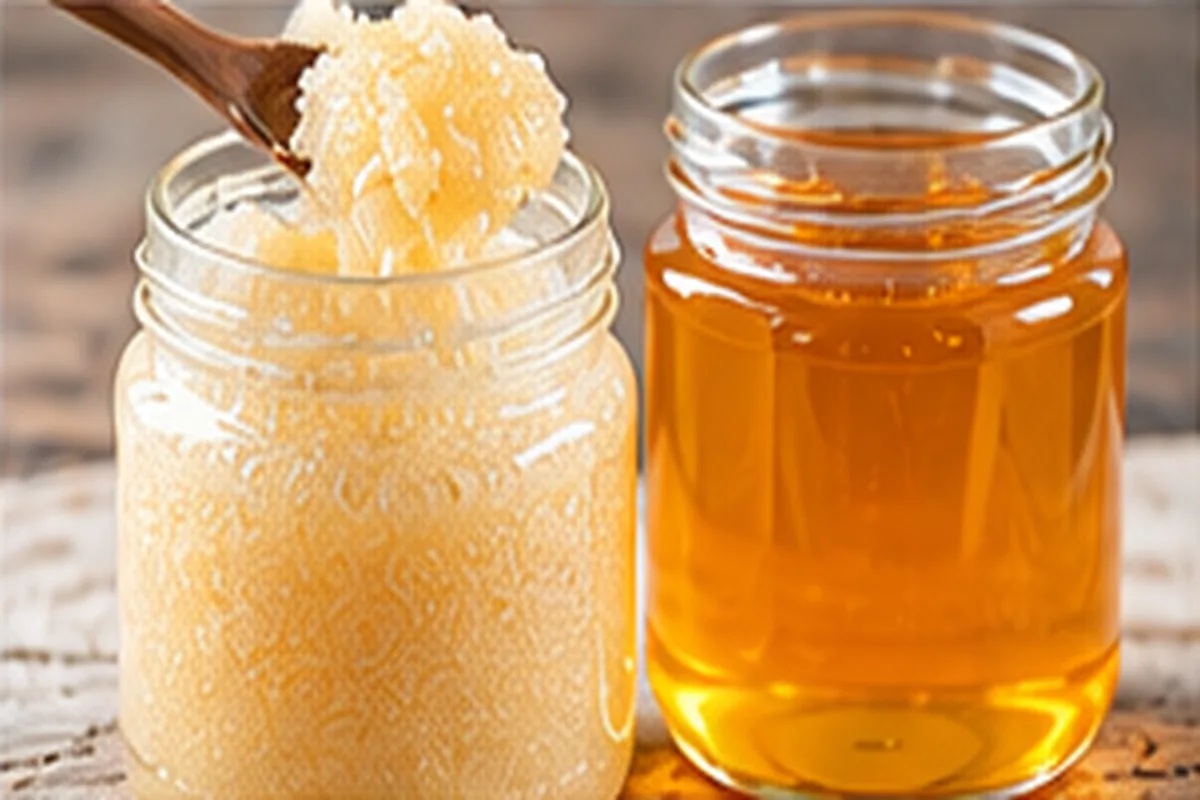
Why does honey crystallize?
Honey is a supersaturated solution, which means it contains more dissolved sugar than water could normally hold, roughly 80 percent sugar to 17 or 18 percent water. That is an unstable state. Over time, glucose molecules link up and fall out of solution as tiny crystals, while fructose tends to stay dissolved.
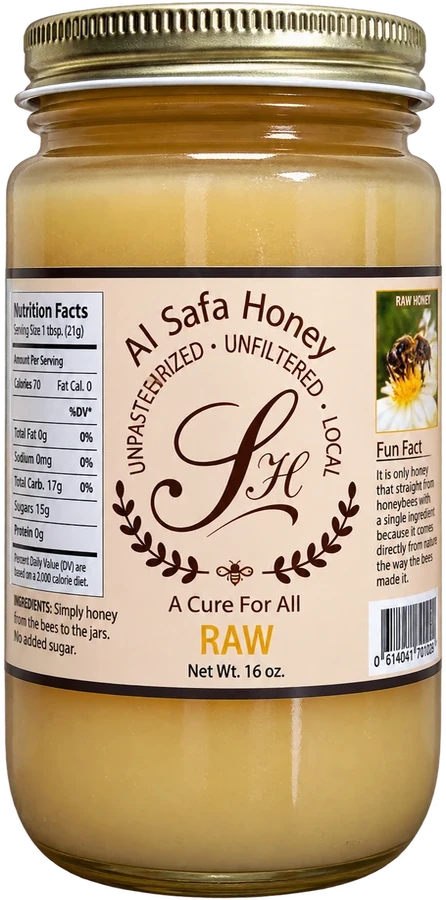
Crystals need something to form around. Pollen grains, specks of wax and even tiny air bubbles all act as seeds. Raw, unfiltered honey contains more of these particles, so it usually crystallizes sooner than honey that has been heated and fine-filtered.
Temperature matters too. Honey crystallizes fastest between about 50 and 59 degrees Fahrenheit, which is why a jar left in a cool pantry or garage often sets in winter. Very cold freezer temperatures slow crystallization, and warm room temperatures above about 77 degrees slow it as well.
Is crystallized honey safe to eat?
Yes. Crystallization changes the texture of honey, not its safety. The flavor stays nearly the same, and many people prefer the thick, spreadable texture. The National Honey Board describes crystallization as a natural process and a common trait of pure honey.
There is one thing to watch. As glucose crystallizes, the liquid left around the crystals holds slightly more water. If a jar has been opened often in a humid kitchen, that thin layer can occasionally ferment, producing a sour, alcoholic or yeasty smell and sometimes foam. Fermented honey is not dangerous in the same way spoiled food is, but it no longer tastes good. Keep lids tight and spoons dry to prevent it.
Crystallization also does not tell you whether honey is pure. Real honey crystallizes, and so can honey mixed with some syrups. Use it as a clue about processing, not a purity test.
If you notice a white, frothy layer on top of a crystallized jar, it is usually just tiny air bubbles and fine crystals rising to the surface. That is a cosmetic feature of minimally processed honey. A sour or boozy smell is the sign to watch for, not the white layer itself.
Which honeys crystallize fastest?
The speed depends mostly on each honey's glucose content and water level, which come from the flowers. Here is how common varieties compare when raw and stored at room temperature.
| Honey | Typical time to crystallize | Texture when set |
|---|---|---|
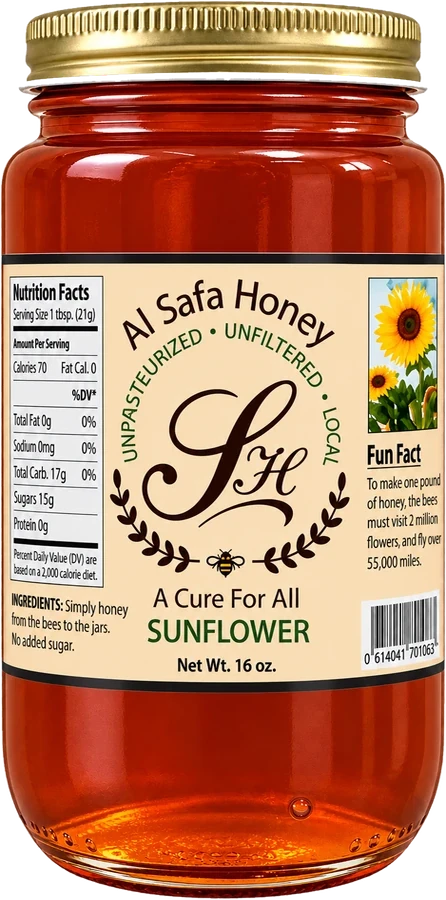
| Sunflower | 2 to 6 weeks | Firm, fine to medium grain, bright yellow |
| Canola and rapeseed | Days to a few weeks | Very firm, white |
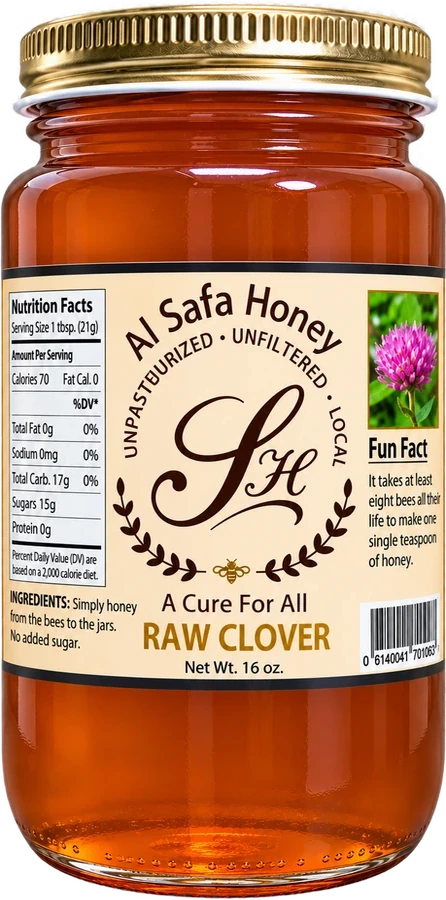
| Clover | 1 to 3 months | Fine, creamy, pale |
| Wildflower | Weeks to many months | Varies by flowers |
| Buckwheat | Several months | Soft, fudge-like |
| Orange blossom | Several months | Medium grain |
| Acacia and tupelo | A year or more | Rarely sets |
How to re-liquefy crystallized honey gently
The goal is to melt the crystals without overheating the honey. High heat darkens honey, drives off delicate aroma compounds and, in raw honey, defeats the point of buying it unheated.
Warm only what you plan to use over the next week or two. Each cycle of heating and recrystallizing slowly takes a toll on aroma, and the honey will begin to set again anyway. Many people keep a small jar of liquid honey for drizzling and leave the main jar crystallized as a spread.
- Remove the lid and set the jar in a pot or bowl of warm tap water, ideally around 95 to 105 degrees Fahrenheit, about bathwater warm.
- Keep the water level below the jar's rim so none gets into the honey.
- Stir the honey every 10 minutes with a clean, dry spoon to spread the warmth.
- Replace the water as it cools. A full jar usually takes 30 to 60 minutes.
- For plastic containers, move the honey to a glass jar first, since warm water can soften thin plastic.
- If you must use a microwave, use low power in 10-second bursts and stir between each, and only for the amount you need right away.
Ways to enjoy crystallized honey without melting it
Before you warm it, consider leaving it alone. Set honey does not drip, which makes it ideal for toast, biscuits, sandwiches and lunchboxes. It also melts the moment it touches hot oatmeal, tea or pancakes.
If the crystals feel too coarse, stir the honey vigorously for a minute or two. Breaking up the crystal network makes it softer and more spreadable. That is a simple, at-home step toward the texture of creamed honey.
Coarse crystallized honey also works well in baking, since oven heat melts the crystals completely. Spoon it into the bowl and blend it with the butter or wet ingredients.
Children often prefer crystallized honey because it stays on the bread. Spread it on toast or crackers for kids over one year, or stir a little into plain yogurt, and it will not run all over the plate.
How to slow crystallization in the first place
Store honey at a steady room temperature, ideally 70 to 80 degrees Fahrenheit, in a tightly sealed glass jar. Avoid the refrigerator, which sits right in the range where crystallization speeds up.
If you buy honey in bulk, you can freeze a portion in airtight containers; very cold storage slows crystallization greatly. Thaw it at room temperature. And if you prefer liquid honey every day, choose a slower-setting variety such as orange blossom for daily use.
Whether liquid or crystallized, honey is never safe for babies under 12 months because it may contain botulism spores.
Crystallized honey myths, answered
A lot of folklore surrounds honey that has turned solid. Some of it is harmless, and some leads people to throw away good food. Here are the ideas we hear most often, and what is actually true.
The most persistent myth is that crystallized honey has gone bad. Honey's low water content and natural acidity make it extremely resistant to spoilage, and archaeologists have reported finding edible honey in ancient tombs. Crystals change the texture, not the safety. The second is that crystals mean sugar was added. Crystallization comes from the glucose naturally present in honey, and honey cut with some syrups can actually stay liquid longer.
Another common belief is that you should store honey in the fridge to keep it fresh. Cold storage near refrigerator temperature speeds crystallization rather than preventing it, and honey keeps well in the pantry. Finally, some people think raw honey that has crystallized should be boiled to fix it. Boiling is unnecessary and dulls flavor; gentle warmth does the job.
- Myth: crystals mean the honey is spoiled. Fact: it is a normal change in texture.
- Myth: crystals prove sugar was added. Fact: glucose in real honey forms crystals.
- Myth: honey belongs in the fridge. Fact: room temperature is best.
- Myth: boiling is the fix. Fact: a warm water bath is gentler and works well.
Frequently asked questions
- Does crystallized honey mean it is real?
- Crystallization is common in real honey, especially raw honey, but it is not proof of purity on its own. Some adulterated honey can crystallize too, and some real honey stays liquid for a long time.
- Can I put honey in the microwave to decrystallize it?
- It works, but it is easy to overheat. If you do it, use low power in short bursts and stir between them. A warm water bath is gentler and better for raw honey.
- Why did my honey crystallize in the fridge?
- Refrigerator temperatures are close to the range where glucose crystallizes fastest. Honey does not need refrigeration, so store it in the pantry instead.
- Will honey crystallize again after I warm it?
- Yes, usually. Warming dissolves the crystals but does not change the sugar balance, so the honey will set again over time. Warm only what you need for the next week or two.
- Is crystallized honey still raw?
- Yes. Crystallization does not change whether honey is raw. Gentle warming near hive temperature keeps it raw in spirit, while high heat would not.
- How long does it take honey to crystallize?
- It ranges from a few days for canola honey to more than a year for acacia, depending on the flowers, storage temperature and how much the honey was processed. Most raw honeys set within a few weeks to several months at typical room temperatures.
Al Safa Honey is a food producer, not a medical provider. Nothing here is medical advice. Never give honey of any kind to a baby under 12 months old.