Honey Butter: An Easy Whipped Recipe, Ratios and Flavor Variations
Honey butter is one of those small kitchen projects that pays off far beyond the five minutes it takes: softened butter beaten with honey until it turns pale, fluffy and spreadable. It turns a plain dinner roll into something people remember, melts into cornbread and pancakes, and keeps for weeks in the fridge. This guide gives you a reliable base recipe, the ratios that work, three variations worth making, and the honeys that taste best in it.
What is honey butter?
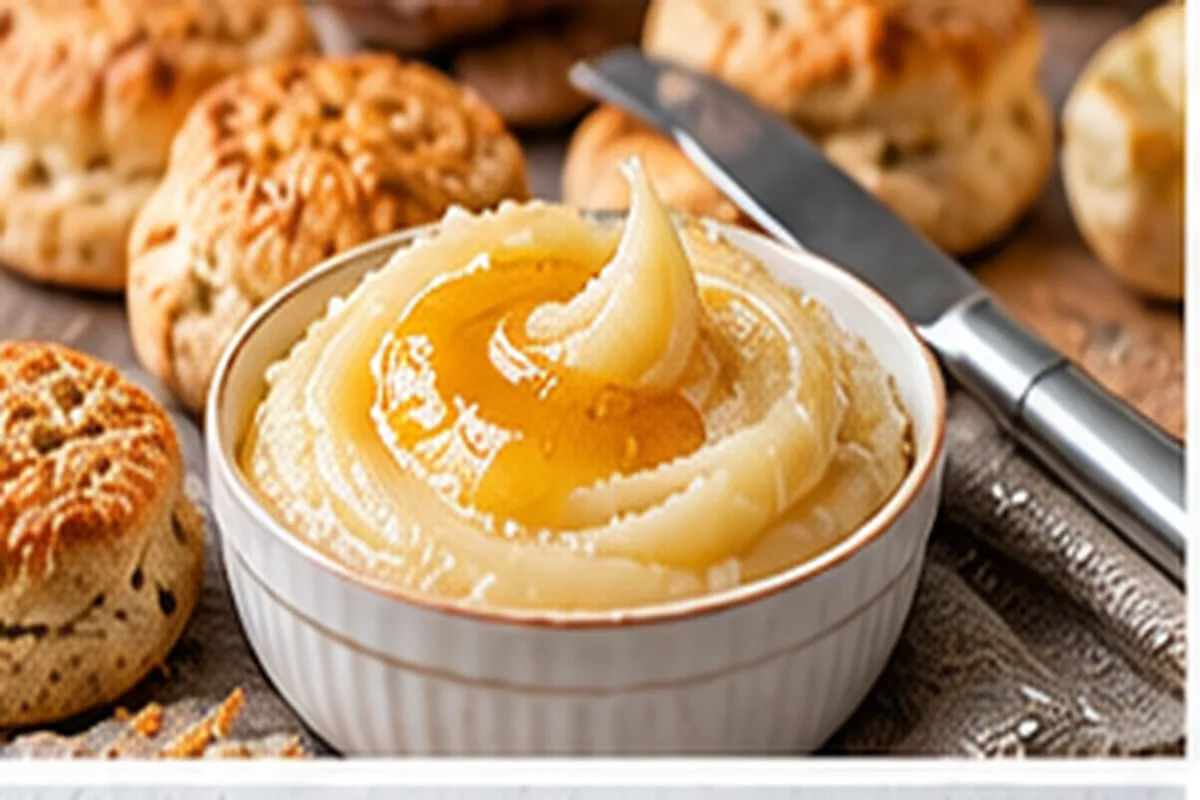
At its simplest, honey butter is a compound butter: fat with a flavoring worked into it. Restaurants, especially steakhouses and Southern bakeries, serve it with warm bread because the honey softens the saltiness of the butter and the butter rounds out the sweetness of the honey. Each bite tastes richer than either ingredient alone.
You will see two styles. Stirred honey butter is mixed with a spoon until just combined, so it stays dense, like regular butter with a sweet streak. Whipped honey butter is beaten with a mixer long enough to trap air, which makes it paler, lighter and much easier to spread straight from the fridge. Most people prefer whipped once they try it.
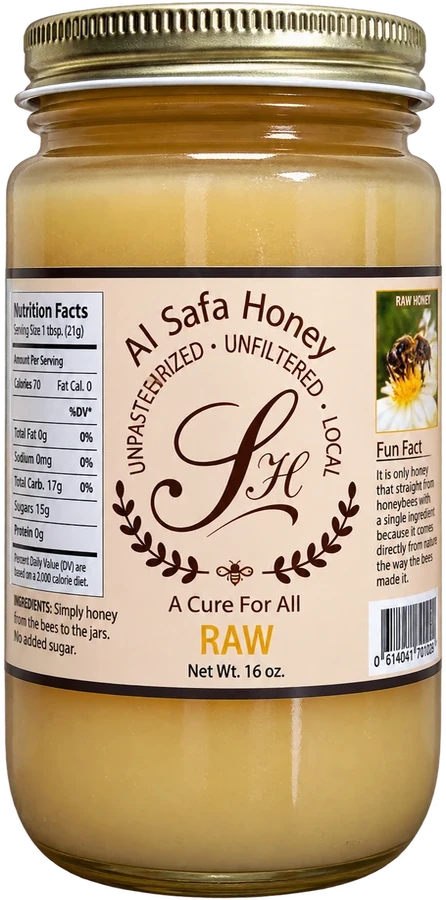
It is worth separating this from creamed honey, which is sometimes also called whipped honey. Creamed honey contains no butter at all; it is honey that has been crystallized under control into a smooth paste. Al Safa does not sell creamed honey, but raw honey that has naturally set in the jar can be stirred into butter just as easily as liquid honey.
Whipped honey butter recipe
This base recipe makes about 2/3 cup, enough for a dinner for six with leftovers. The single most important step is starting with butter that is properly soft: it should hold a fingerprint when pressed but not look shiny or greasy. Cold butter will not take in air, and melted butter will never whip.
Place the softened butter in a medium bowl and beat it alone with a hand mixer or stand mixer on medium speed for about one minute, until it looks creamy. Add the honey and salt, then beat on medium-high for another 2 to 3 minutes, scraping down the bowl once. Stop when the color has lightened by a shade or two and the texture looks like frosting.
Spoon it into a ramekin to serve right away, or pack it into a small jar and chill. If you plan to slice coins of it over steak or sweet potatoes, roll it into a log in parchment and refrigerate until firm.
- 1 stick (1/2 cup, 113 g) unsalted butter, softened
- 3 tablespoons raw honey (use 2 for subtle, 4 for sweet)
- 1/8 to 1/4 teaspoon fine sea salt
- Optional: 1 teaspoon heavy cream for an extra airy whip
Honey butter ratios: how sweet should it be?
There is no single correct ratio, and the right one depends on how you will use it. A lightly sweet butter suits savory bread, corn and vegetables, while a sweeter one belongs on biscuits, waffles and sweet potatoes. Use the table below as a starting point and adjust by the teaspoon.
Going past about 1 part honey to 2 parts butter by volume causes trouble. The butter can only hold so much liquid, and too much honey will weep out of the mixture as it sits. If you want it sweeter than that, whip in a tablespoon of powdered sugar rather than more honey, or simply drizzle a little extra honey on top when serving.
| Style | Butter | Honey | Best for |
|---|---|---|---|
| Barely sweet | 1/2 cup | 2 tablespoons | Dinner rolls, corn on the cob, roasted carrots |
| Classic | 1/2 cup | 3 tablespoons | Cornbread, biscuits, toast |
| Dessert-sweet | 1/2 cup | 4 tablespoons | Pancakes, waffles, sweet potatoes |
| Large batch | 1 cup (2 sticks) | 6 tablespoons | Holiday tables and gifting |
Three variations: salted, cinnamon and savory herb
Once the base is down, honey butter takes flavors well. Add mix-ins during the last 30 seconds of whipping so they distribute evenly without deflating the butter.
Salted honey butter is the version most people mean when they rave about a restaurant spread. Use salted butter plus a pinch more salt, or unsalted butter with a full 1/2 teaspoon of flaky salt folded in at the end so you get little bursts of crunch. It is especially good with dark honey, where salt sharpens the malty notes.
Cinnamon honey butter tastes like the inside of a cinnamon roll. Add 1 teaspoon of ground cinnamon and, if you like, 1/4 teaspoon of vanilla extract or a tablespoon of brown sugar. Spread it on toast, stir it into hot oatmeal or tuck it under the top crust of muffins before baking.
- Salted: salted butter plus 1/4 to 1/2 teaspoon flaky salt folded in at the end.
- Cinnamon: 1 teaspoon cinnamon, 1/4 teaspoon vanilla, optional pinch of nutmeg.
- Savory herb: 1 tablespoon chopped chives or thyme, a little lemon zest, black pepper.
- Orange: 1 teaspoon finely grated orange zest with a floral honey.
- Spiced: a pinch of red pepper flakes or cayenne for gentle heat.
Which honey is best for honey butter?
Because butter is mild, the honey you choose comes through clearly, so this is a good place to use a jar you love rather than a generic squeeze bottle. Raw honey works perfectly, and honey that has started to crystallize is not a problem: the beating action breaks up the crystals, and the slight graininess disappears into the fat.
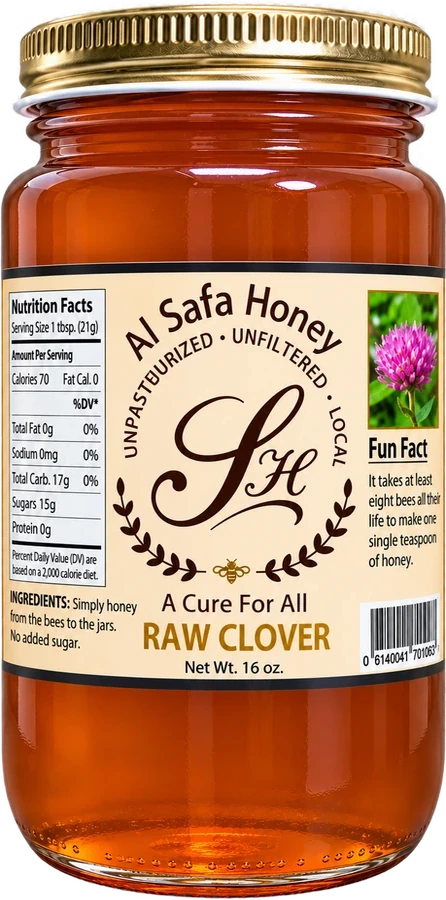
Raw clover honey is the classic pick. It is pale and gently floral, so the result tastes like the honey butter you remember from childhood, just cleaner. Pure Raw Honey, the house jar, gives a warmer amber flavor with a soft resinous finish that suits cornbread and biscuits.
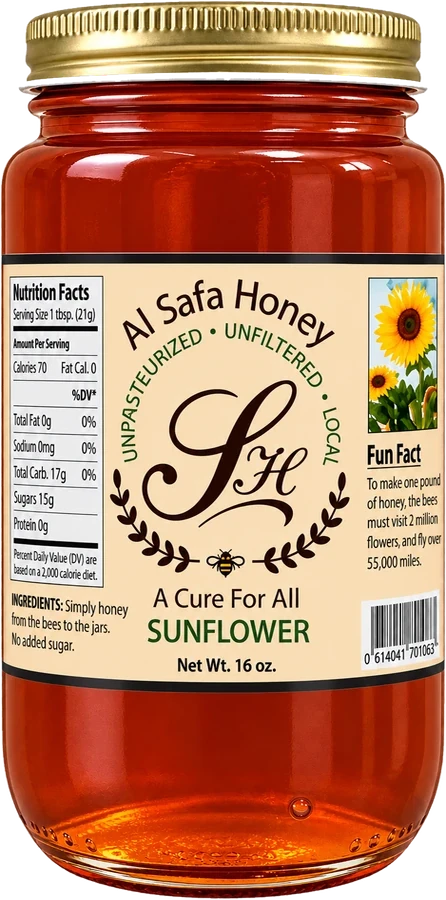
Sunflower honey is the sleeper choice. It sets quickly into a soft, spoonable crystal, which means it whips into butter with almost no risk of separating, and its bright, mellow flavor is excellent on warm bread. For a deeper, steakhouse-style butter, a spoonful of buckwheat mixed with clover adds a malty edge without overwhelming the bread.
| Honey | Flavor in butter | Pair it with |
|---|---|---|
| Raw clover | Clean, classic, gently floral | Rolls, pancakes, kids' toast |
| Pure raw (house harvest) | Warm amber, rounded | Cornbread, biscuits |
| Raw sunflower | Bright, mellow, extra spreadable | Crusty bread, scones |
| Buckwheat (as a blend) | Malty, bold, molasses-like | Rye toast, steak, sweet potatoes |
How to store honey butter and how long it lasts
Honey is naturally preserving, but butter is the limiting ingredient. Covered in a butter dish at cool room temperature, below about 70 degrees, honey butter is fine for a day or two, which is plenty for a dinner party. In a warm kitchen, or for anything longer, keep it in the refrigerator in an airtight container, where it lasts up to three weeks.
For longer storage, freeze it. Roll the butter into a log, wrap tightly in parchment and then foil or a freezer bag, and it keeps well for three months. Slice off coins as needed; they soften in about ten minutes on the counter.
Whipped butter firms up in the fridge, so take it out 15 to 20 minutes before serving. If it ever separates, with beads of honey on the surface, let it soften and beat it again for a minute. A drop of cream helps bring it back together.
Frequently asked questions
- Can I use salted butter for honey butter?
- Yes, and many cooks prefer it. Skip the extra salt in the recipe, taste after whipping, and add a few flakes only if it needs more. Salted butter also keeps a little longer in the fridge.
- Why did my honey butter separate?
- Usually the butter was too warm or there was too much honey for the amount of fat. Chill the bowl for ten minutes, then beat again until smooth. Keeping the honey at or below one part to two parts butter prevents it.
- Can I make honey butter without a mixer?
- You can. Mash very soft butter with a fork, then stir hard with a sturdy spoon for a few minutes. It will be denser than the whipped version but tastes just as good.
- Does honey butter need to be refrigerated?
- For a day or two at cool room temperature it is fine, the same as regular butter. Beyond that, or in a warm kitchen, refrigerate it. Freeze it if you want to keep it for months.
- Is honey butter safe for toddlers?
- For children over one year old, yes, in normal food amounts. Babies under 12 months should never eat honey in any form, including mixed into butter or baked goods, because of the risk of infant botulism.
Al Safa Honey is a food producer, not a medical provider. Nothing here is medical advice. Never give honey of any kind to a baby under 12 months old.