Honey and Cinnamon: What the Claims Get Right, Wrong and Risky
Honey and cinnamon have been passed around online as a fix for almost everything, from belly fat to arthritis, usually as a warm drink taken before bed. The pairing is genuinely delicious, and each ingredient has been studied on its own. But no good trial has tested the mix for weight loss, and one common type of cinnamon carries a real dose limit that the viral posts never mention.
Where the honey and cinnamon claims came from
Most versions trace back to a list that circulated in tabloids and chain emails, attributing dozens of benefits to the mix and citing studies that nobody has been able to find. It has been copied so often that it now looks like common knowledge.
That history matters because it explains the pattern you see today: big promises, a precise ritual (half a teaspoon, a cup of warm water, an empty stomach), and no references. When a claim arrives with an exact recipe but no source, treat the recipe as the only reliable part.
Does honey and cinnamon before bed burn fat?
No study has shown that the drink reduces body fat. The idea usually rests on cinnamon's possible effect on blood sugar. Meta-analyses of cinnamon supplements in people with type 2 diabetes found small drops in fasting glucose in some trials and none in others, and the doses were usually capsules of 1 to 6 grams, far more than a sprinkle.
Honey, meanwhile, is a sugar. A tablespoon adds roughly 64 calories, mostly glucose and fructose. A nightly mug with a tablespoon of honey adds about 450 calories a week. If that drink replaces a dessert, it may help you eat less overall. On its own, it adds energy rather than removing it.
A calm bedtime ritual can still be worth keeping for its own sake. Just judge it by how it fits your evening and your diet, not by the scale.
Cassia vs Ceylon cinnamon
Most cinnamon sold in U.S. supermarkets is cassia, a thick, hard, single-layer bark with a strong, hot flavor. Ceylon, sometimes labeled "true cinnamon," is made of thin, papery layers rolled like a cigar and tastes softer and more floral.
The difference that matters for daily use is coumarin, a natural compound that can strain the liver in large amounts. Cassia can contain a hundred times more of it than Ceylon.
| Cassia | Ceylon | |
|---|---|---|
| Common labels | Cinnamon, Saigon, Korintje, Chinese | Ceylon, true cinnamon, Sri Lankan |
| Stick appearance | One thick, hard curl | Many thin, brittle layers |
| Taste | Spicy, bold, red-hot | Mild, sweet, citrusy |
| Coumarin | High and variable | Trace amounts |
| Typical price | Lower | Two to four times higher |
How much cinnamon is sensible each day
European food safety regulators set a tolerable daily intake for coumarin of 0.1 milligrams per kilogram of body weight. For a 150-pound adult that is about 7 milligrams. Because cassia varies so much, a single teaspoon of cassia powder can approach or exceed that amount.
So the rule is simple. If honey and cinnamon is an occasional treat, any cinnamon is fine. If it is a daily habit, switch to Ceylon or keep cassia to about a quarter teaspoon.
- Daily habit: Ceylon cinnamon, up to about a teaspoon.
- Occasional use: either type, at normal recipe amounts.
- Liver conditions, blood thinners or diabetes medication: ask your doctor before taking cinnamon daily in any amount.
- Never try to swallow a spoonful of dry cinnamon. It can be inhaled and has caused serious breathing problems.
- Children under 12 months should never be given honey in any form, including with cinnamon.
Best ways to use honey and cinnamon
The pair shines where warmth and sweetness meet fat or starch. A few ideas that work every time:
- Cinnamon honey butter: 4 tablespoons soft butter, 2 tablespoons honey, half a teaspoon of Ceylon cinnamon, a pinch of salt. Spread on warm toast or cornbread.
- Roasted squash or carrots: toss with oil and salt, roast, then drizzle honey and dust cinnamon in the last five minutes.
- Yogurt and fruit: stir cinnamon into the honey first so it spreads evenly instead of clumping.
- Spiced tea: let black tea or rooibos cool for a few minutes, then stir in honey and add a cinnamon stick to steep.
- Peanut butter toast: a thin layer of each, with a sprinkle of cinnamon and flaky salt.
Making a cinnamon-infused honey
Push two Ceylon sticks into a 16 oz jar of raw honey, seal it, and leave it in a cupboard for one to two weeks, turning the jar every couple of days. No heat is needed; time does the work and keeps the honey raw.
Use whole sticks rather than powder, which clumps and sinks. Make sure the sticks are completely dry, since added moisture can let honey ferment. Taste after a week and pull the sticks once the spice is where you like it.
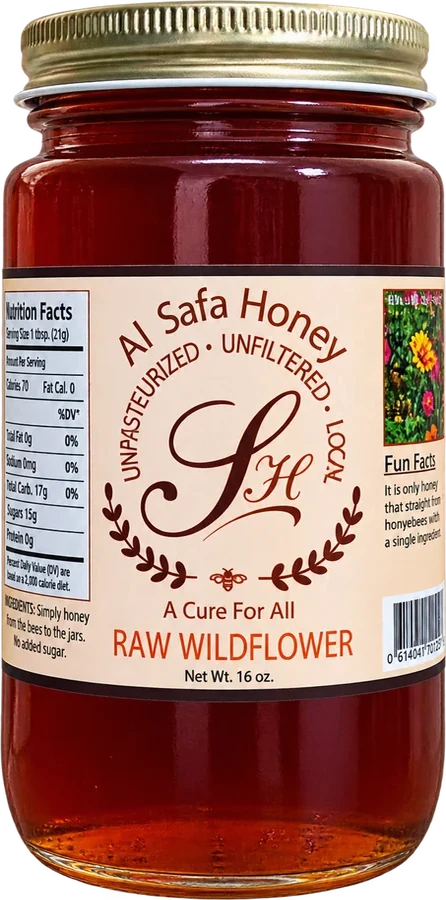
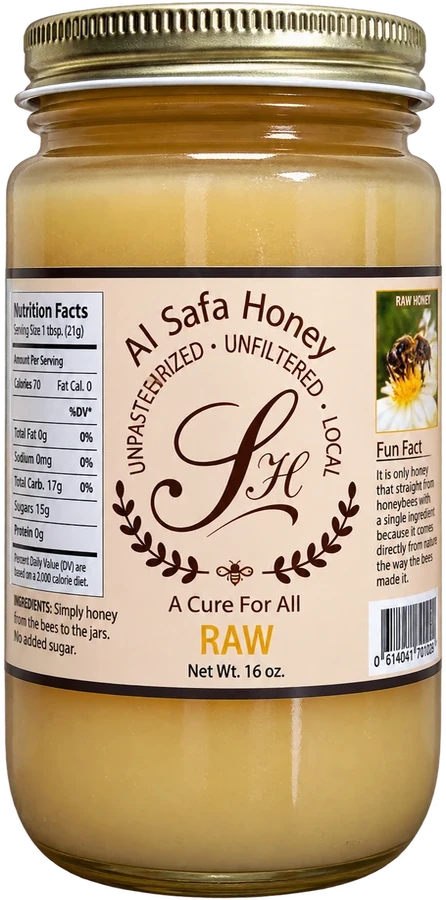
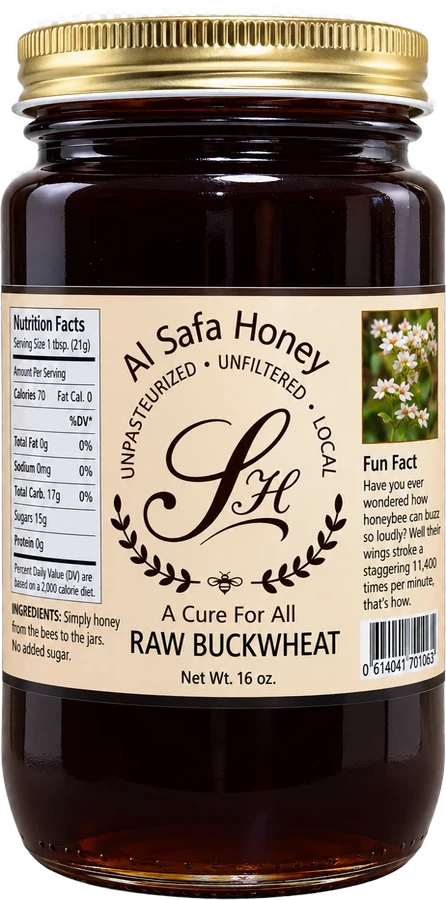
A golden, balanced honey such as Pure Raw Wildflower Honey or Pure Raw Honey carries cinnamon well. For a deeper, gingerbread-style result, try the infusion with Pure Raw Buckwheat Honey.
Frequently asked questions
- Can I mix honey and cinnamon in hot water?
- Yes, but let freshly boiled water cool for a few minutes first. Very hot water mutes honey's aroma, and a warm rather than scalding drink is more pleasant anyway. Stir well, because cinnamon floats.
- Is it safe to eat honey and cinnamon every day?
- For most adults, a teaspoon of honey with a modest amount of Ceylon cinnamon is a normal food amount. The two things to watch are total added sugar and coumarin from cassia. People on medication should check with a doctor.
- Does honey and cinnamon help with acne?
- Some people use the mix as a face mask, but there is little clinical evidence for it, and cinnamon can irritate or sensitize skin. Patch-test on the inner arm first and stop if you notice redness or burning.
- Why does my cinnamon honey look grainy?
- Raw honey crystallizes naturally, and cinnamon particles can give crystals more places to form. The texture is harmless. Set the jar in a bowl of warm water and stir to smooth it.
- Which cinnamon is in Saigon cinnamon?
- Saigon cinnamon is a type of cassia from Vietnam. It has an especially intense flavor and tends to be among the highest in coumarin, so it is best kept for occasional baking.
Al Safa Honey is a food producer, not a medical provider. Nothing here is medical advice. Never give honey of any kind to a baby under 12 months old.