Honey Lemon Ginger Tea: An Easy Recipe With Variations
Honey lemon ginger tea is the drink many of us reach for when the weather turns cold or a throat starts to feel rough. Fresh ginger brings warmth and a little bite, lemon adds brightness, and honey rounds everything out. It takes about fifteen minutes and a few ingredients you probably already have. Below you will find the base recipe, the one timing mistake to avoid, variations to keep it interesting, and which honeys work best.
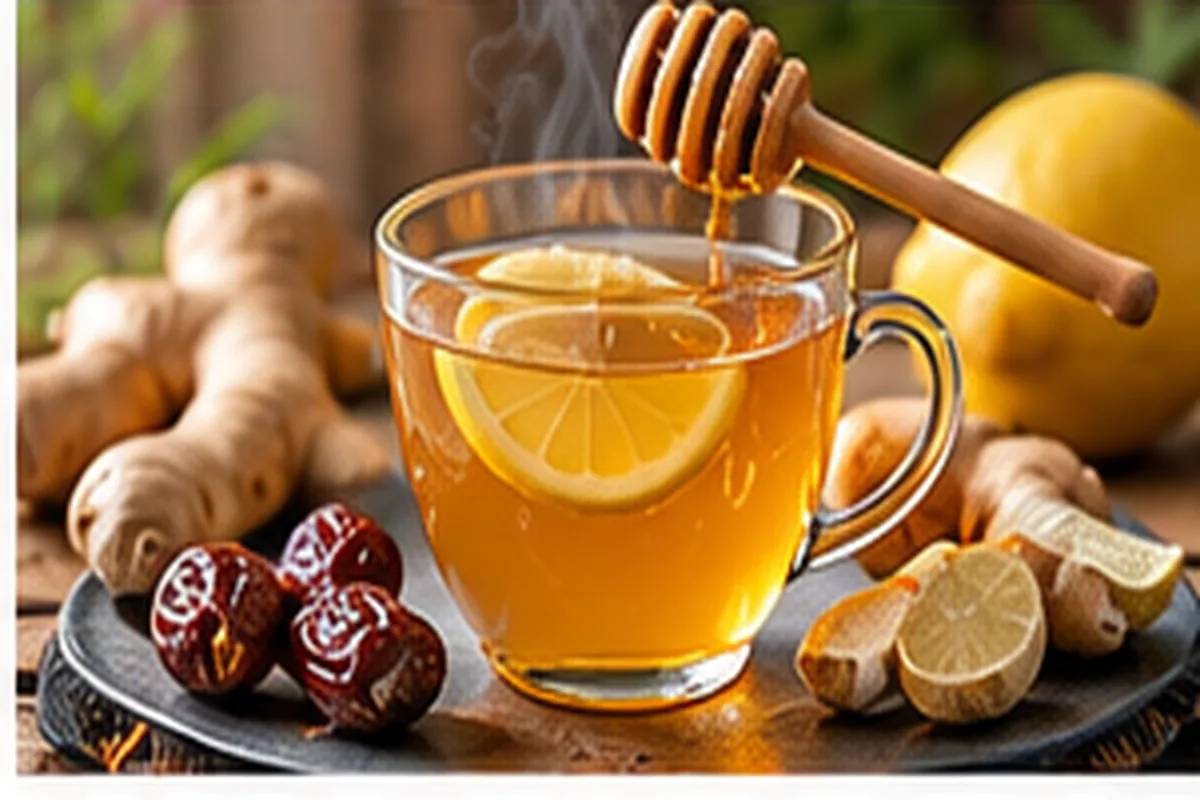
What you need
The ingredient list is short, so quality matters. Look for ginger that is firm, heavy and smooth-skinned; wrinkled ginger is older and drier. Fresh lemons give a cleaner flavor than bottled juice.
A small saucepan and a fine strainer are all the equipment you need. If you do not have a strainer, slice the ginger into larger coins and simply leave them in the pan as you pour.
Organic ginger is a good choice if you leave the skin on, since you will be steeping the peel. Store extra ginger unpeeled in the fridge, or freeze it whole and grate it straight from frozen.
- 1 to 2 inches of fresh ginger root, about 15 to 25 grams.
- 2 cups of water, for two mugs.
- Juice of 1 lemon, plus a slice or two for serving.
- 2 to 4 teaspoons of raw honey, to taste.
- Optional: a cinnamon stick, a few black peppercorns, a strip of orange peel or a pinch of turmeric.
How to make honey lemon ginger tea step by step
Start by preparing the ginger. You do not need to peel it; just scrub it well. Slice it into thin coins, or grate it if you want a stronger, spicier tea. More surface area means more flavor in less time.
Put the ginger and water in a small saucepan and bring it to a boil. Lower the heat and simmer, partly covered, for 10 minutes. For a mild tea, stop at 5 minutes; for a fiery one, go to 15 or 20.
Turn off the heat and strain the tea into two mugs. Let it rest for 3 to 5 minutes, until it is hot but no longer steaming hard. Squeeze in the lemon juice, stir in the honey, taste, and adjust. Float a lemon slice on top and serve.
When to add the honey, and why it matters
The most common mistake is stirring honey into the pot while the ginger is still boiling. Boiling does not make honey unsafe, but it drives off much of its aroma and breaks down the natural enzymes in raw honey. If you have chosen a flavorful honey, you lose most of what makes it different.
Adding honey at the end also makes it easier to get the sweetness right. Ginger varies in strength, and lemons vary in sourness, so tasting the finished cup and sweetening to match gives a better result than a fixed amount in the pot.
Add lemon at the end too. Long boiling dulls fresh lemon juice and can turn the peel bitter.
A simple test: if the mug is too hot to hold comfortably, wait another minute. When you can wrap your hands around it, the tea is ready for honey.
Six easy variations to try
Once you have the base recipe down, it is easy to change the character of the tea with what is in your pantry.
Keep the honey and lemon step the same in every version: add them at the end, once the tea has cooled slightly, and taste as you go.
- Spiced: simmer a cinnamon stick, two cloves and a few peppercorns with the ginger.
- Golden: add a quarter teaspoon of ground turmeric, or a few slices of fresh turmeric, and a pinch of black pepper.
- Minty: drop a handful of fresh mint into the mug before pouring, for a cooling finish.
- Tea-based: steep a black or green tea bag in the strained ginger water for 2 to 3 minutes before adding lemon and honey.
- Iced: make it double-strength, sweeten while warm, then pour over a tall glass of ice with extra lemon.
- Make-ahead concentrate: simmer 4 inches of ginger in 4 cups of water for 20 minutes, strain and refrigerate for up to five days; heat a cup gently and add lemon and honey to order.
Best honey for honey lemon ginger tea
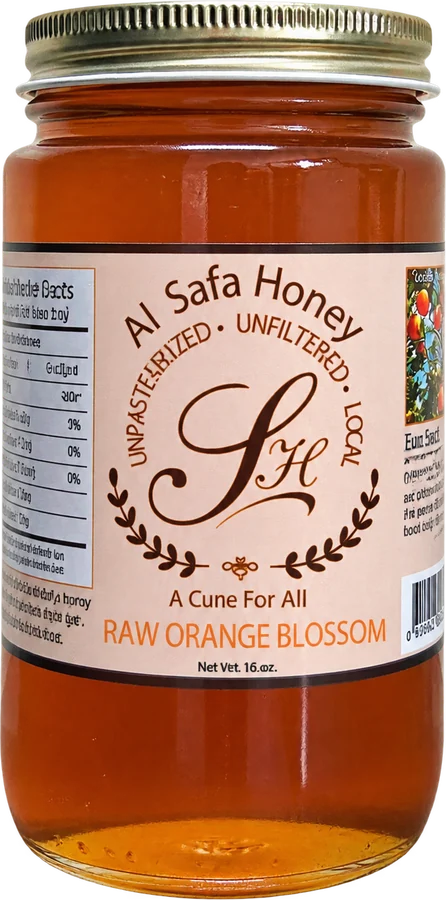
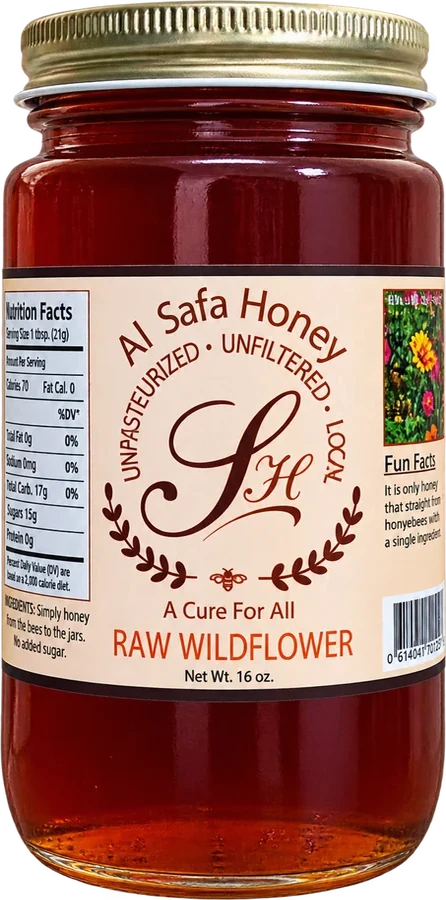
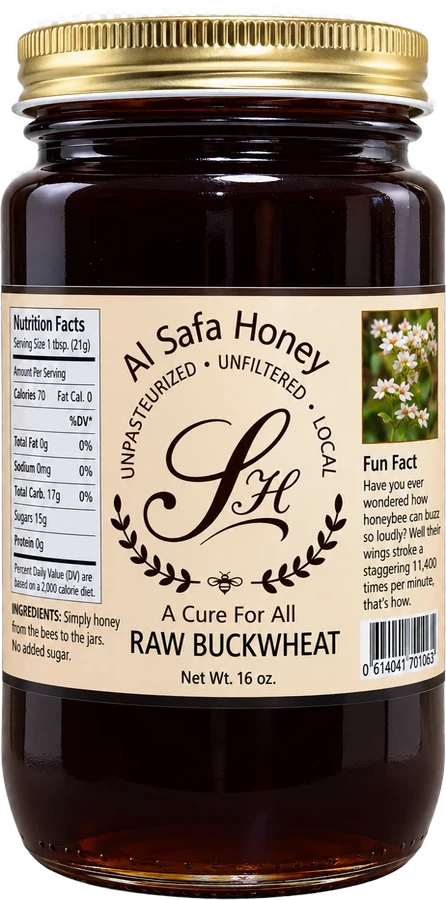
Ginger is strong, so a very delicate honey can get lost. Medium and dark honeys hold their own, while a fragrant citrus honey plays up the lemon. Here is how our honeys work in this tea.
If you are not sure which you will like, start with wildflower, which balances the ginger and lemon without taking over. Move to buckwheat or knotweed if you want the honey to be a flavor you notice in every sip, or to orange blossom if you like a brighter, more fragrant cup.
| Honey | Origin | What it brings to the tea |
|---|---|---|
| Orange Blossom | Florida | Bright citrus-blossom aroma that echoes the lemon |
| Wildflower | New York | Layered meadow flavor, a balanced all-rounder |
| Buckwheat | New York | Dark, malty depth for a cold-season comfort cup |
| Knotweed | North Dakota | Herbal, resinous warmth that stands up to lots of ginger |
| Clover | New York | Gentle sweetness for a mild, lemon-forward tea |
Troubleshooting your tea
Homemade tea is forgiving, and nearly every problem has a quick fix. The best habit is simple: taste, adjust and jot down what you liked for next time.
If the tea is too spicy, add hot water to dilute it, or simmer for less time next batch. If it is too sour, add a little more honey or less lemon; if it is flat, add a squeeze more lemon, since acidity wakes up the other flavors. Bitterness usually comes from boiling lemon peel or steeping black tea too long, so add both at the end and pull the tea bag after three minutes.
Cloudy tea is normal when you use grated ginger or ground spices and does not affect flavor. If you prefer it clear, slice the ginger instead and strain through a fine sieve or a coffee filter.
And if the tea has gone cold, reheat it gently over low heat or in short bursts, then stir in a little fresh lemon to brighten it again.
Can honey lemon ginger tea help when you feel unwell?
A warm cup of honey lemon ginger tea is comforting when you have a cold. The warmth and steam can make a stuffy nose feel better, the honey coats a sore throat, and staying hydrated matters when you are sick. Health organizations including the Mayo Clinic list honey in warm drinks as a reasonable home measure for coughs in adults and children over one.
Ginger has a long history as a remedy for nausea, and some research supports its use for that. Beyond that, keep expectations modest: the tea is not a cure for colds or flu and does not replace medical care. See a doctor if you have a high fever, trouble breathing or symptoms that last more than a week or two.
Two safety notes. Never give honey to babies under 12 months, and check with your doctor before drinking large amounts of ginger if you take blood thinners or are pregnant.
Frequently asked questions
- Can I use ground ginger instead of fresh?
- Yes, though the flavor is flatter and the tea can be cloudy. Use about a quarter teaspoon of ground ginger per cup and stir well, or steep it in a tea strainer.
- How long should ginger steep?
- Simmer sliced fresh ginger for about 10 minutes for a balanced tea, less for mild and up to 20 for strong. Grated ginger releases flavor faster, so 5 to 7 minutes is often enough.
- Can I drink honey lemon ginger tea every day?
- Most healthy adults can enjoy a cup or two a day. Count the honey as added sugar, and ask your doctor if you take blood thinners or have a condition affected by ginger.
- Is honey lemon ginger tea good before bed?
- It is naturally caffeine-free unless you add tea leaves, so it makes a cozy evening drink. If lemon gives you heartburn, have it an hour or so before lying down.
- Should I peel the ginger?
- There is no need if you scrub it well, since the tea is strained. Peeling just gives a slightly cleaner flavor.
- Can I make honey lemon ginger tea for a crowd?
- Yes. Simmer the ginger in a large pot, strain it into a warm pitcher or thermos, and set out lemon wedges and a jar of honey so everyone can sweeten their own cup.
Al Safa Honey is a food producer, not a medical provider. Nothing here is medical advice. Never give honey of any kind to a baby under 12 months old.