Honey for Cough: What the Research Shows and How Much to Give by Age
Using honey for cough is one of the few home remedies that has been put to the test in randomized trials, mostly in children with colds. The results are modest but consistent: a spoonful before bed was linked with less frequent coughing and better sleep for kids and parents. Here is what the studies actually measured, how much to give, and the signs that mean a cough needs a doctor rather than a spoon.
What studies on honey for cough found
A Cochrane review pooled trials of honey in children with acute cough and concluded that honey probably reduces cough frequency and severity more than no treatment, diphenhydramine or a placebo. The authors rated the evidence as moderate to low quality, mainly because the trials were small and relied on parents' ratings.
A large Israeli trial gave 300 children ages 1 to 5 a single dose of eucalyptus, citrus or labiatae honey, or a date-syrup placebo, 30 minutes before bed. Parents in all three honey groups reported bigger improvements in cough and sleep than the placebo group.
In adults, an Oxford-led systematic review in BMJ Evidence-Based Medicine found honey improved cough symptoms in upper respiratory infections compared with usual care. That is encouraging, though the authors noted the studies varied widely in design.
Why buckwheat honey shows up in the research
The best-known early trial, run at Penn State, used buckwheat honey. Researchers gave 105 children ages 2 to 18 either buckwheat honey, honey-flavored dextromethorphan (a common cough suppressant) or nothing at bedtime. Parents rated honey best for reducing nighttime cough and improving sleep.
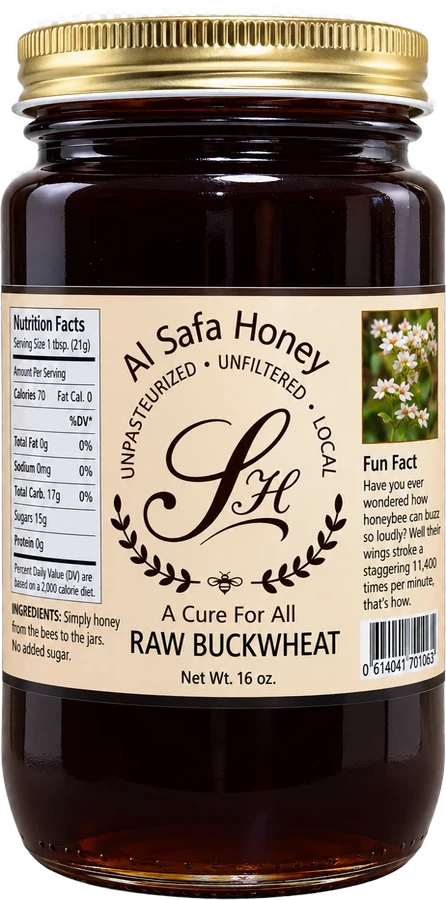
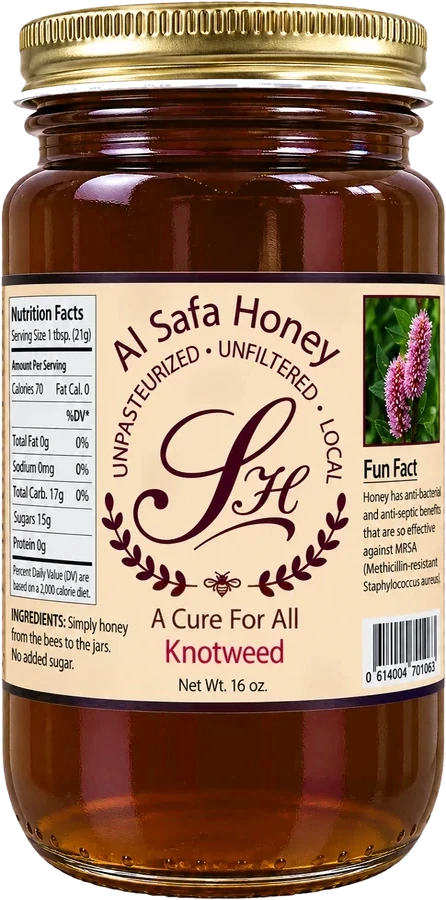
The team chose buckwheat partly because dark honeys tend to contain more antioxidant compounds. That doesn't mean other honeys don't work; the Israeli trial used three light and medium varieties with similar results. If you want to match the Penn State study, Al Safa's raw buckwheat honey is near black with a malty, earthy taste that some kids love and others find strong. Knotweed is another dark, full-bodied option.
How much honey to give for a cough, by age
These amounts follow the doses used in the Penn State trial, given once within 30 minutes of bedtime. You can give it straight off the spoon or stirred into warm (not hot) water or caffeine-free tea.
| Age | Amount per dose | Notes |
|---|---|---|
| Under 12 months | None | Risk of infant botulism; never give honey |
| 1 to 5 years | 1/2 teaspoon (about 2.5 ml) | Once before bed |
| 6 to 11 years | 1 teaspoon (about 5 ml) | Once before bed |
| 12 years to adult | 2 teaspoons (about 10 ml) | Can repeat during the day |
How honey compares with cough medicine
The FDA and the American Academy of Pediatrics advise against over-the-counter cough and cold medicines for children under 4, and many pediatricians discourage them until age 6. That leaves parents of toddlers with few options, which is why the American Academy of Pediatrics lists honey as a reasonable choice for children over 1.
Researchers think honey's thick, sweet coating may calm the throat nerves that trigger coughing, and that sweetness itself can dampen the cough reflex. Honey doesn't shorten a cold or fight the virus. It helps with comfort while the illness runs its course.
When a cough needs a doctor, not honey
Most coughs from colds fade within one to three weeks. Call a doctor or seek urgent care for any of the following:
- Fast, labored or noisy breathing, or the ribs pulling in with each breath.
- Any fever in a baby under 3 months, or a fever above 104°F at any age.
- A whooping sound after coughing fits, or coughing until vomiting.
- Coughing up blood, or lips that look blue or gray.
- A cough lasting more than three weeks, or one that keeps returning.
- Signs of dehydration such as few wet diapers or no tears.
Practical tips for using honey at night
Honey clings to tooth enamel, so give the dose before brushing teeth or follow it with a rinse of water. Keep a dedicated small jar near the bedroom so you aren't measuring from a sticky kitchen bottle at 2 a.m.
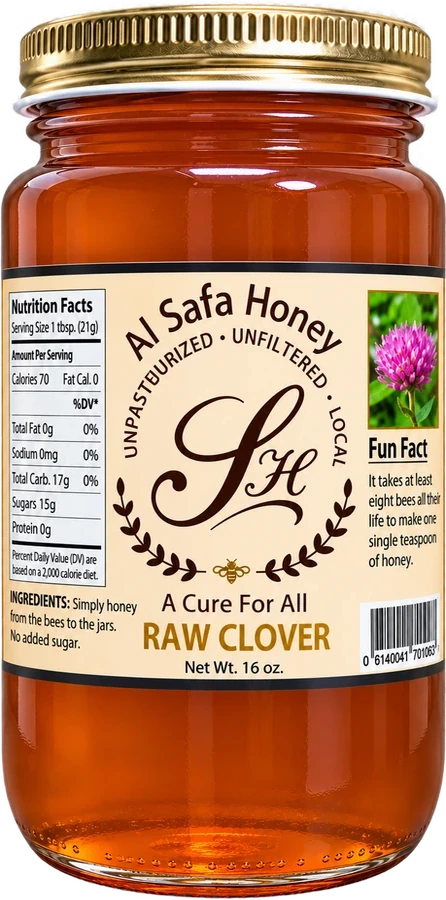
For older children who dislike strong flavors, a lighter honey such as clover or orange blossom is easier to accept. Raw honey is fine for anyone over 1 year; the botulism concern applies to infants whatever the honey type.
Frequently asked questions
- Can I give my 1-year-old honey for a cough?
- Yes, once a child has passed their first birthday, about half a teaspoon before bed is the amount used in studies. Before 12 months, honey of any kind is never safe because of infant botulism. If your child is close to one, wait until after the birthday.
- Does honey work for a dry cough or a wet cough?
- The trials mostly included coughs from colds without separating dry from wet. Parents reported benefits in both, mainly at night. A wet cough with thick colored mucus and fever lasting several days is worth a doctor's check.
- Is honey and lemon better than honey alone?
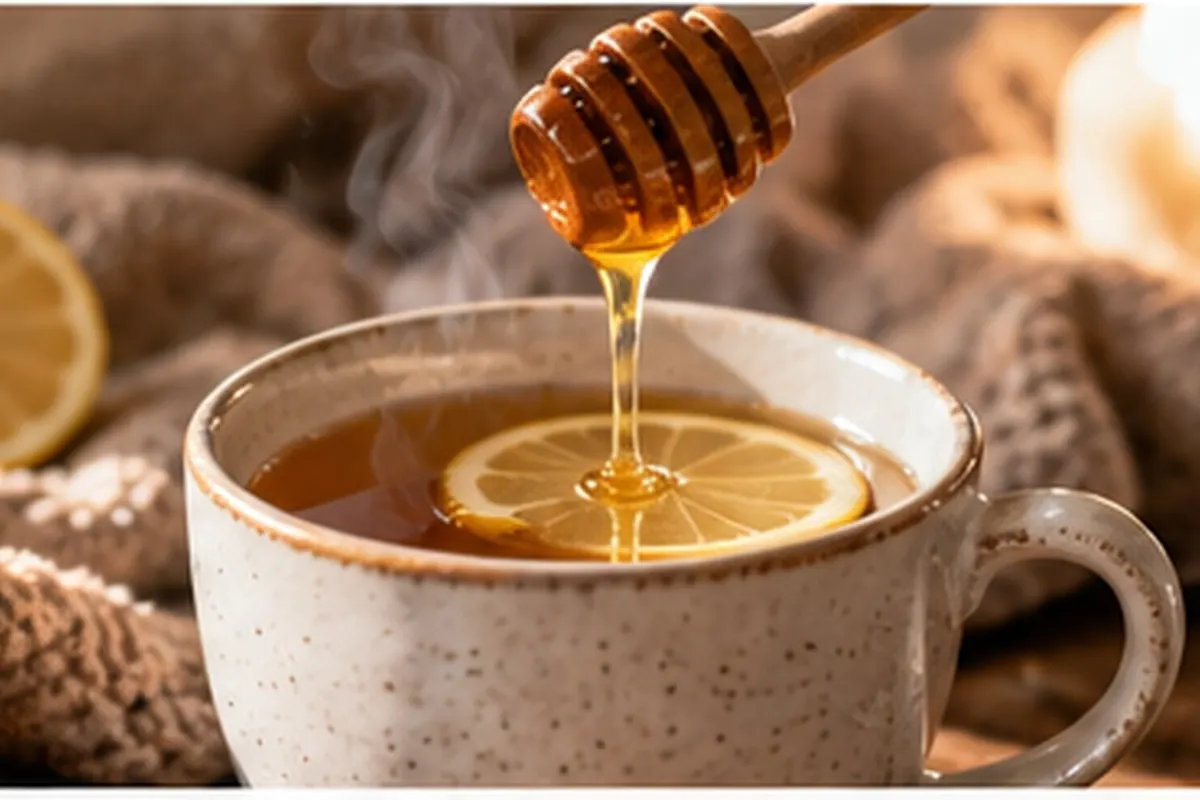
- No study has shown that lemon adds a measurable effect on cough. Many people find the warm drink soothing and easier to sip, so it's a matter of preference. Let the water cool to drinking temperature before stirring in the honey.
- How often can you take honey for a cough?
- Studies gave a single dose at bedtime. Adults and teens can take a couple of teaspoons a few times a day, keeping in mind that each teaspoon adds about 21 calories and 6 grams of sugar. For young children, stick to the bedtime dose.
- Does manuka honey work better for coughs?
- There's no good evidence that manuka outperforms other honeys for cough. The published cough trials used buckwheat, eucalyptus, citrus and labiatae honeys. Choose a honey your family will actually take.
Al Safa Honey is a food producer, not a medical provider. Nothing here is medical advice. Never give honey of any kind to a baby under 12 months old.