What Is Mead? Honey Wine Explained, From Ancient Drinks to Modern Meaderies
What is mead? Mead is an alcoholic drink made by fermenting honey with water, often called honey wine. It may be one of the oldest fermented drinks in the world, it shows up in Norse sagas and Old English poetry, and it is enjoying a revival with craft meaderies across the US. This guide covers what mead is, its history, its main styles, how it tastes and how it is made.
Mead's long history
Honey ferments naturally when diluted with water, so people probably discovered mead very early. Chemical analysis of residues in pottery from Jiahu, in China, dated to around 7000 BCE, found traces of a fermented drink made with honey, rice and fruit, one of the oldest known alcoholic beverages. Mead was drunk in ancient Greece, where it was linked with the gods, and across northern Europe, where it appears in Norse myths and in the Old English poem Beowulf, set partly in a great mead hall.
As grape wine and beer became cheaper and easier to make, mead faded in many places, though traditions survived in Poland, Ethiopia, where honey wine called tej is still widely made, and elsewhere.
Types of mead
| Style | What is added to honey and water |
|---|---|
| Traditional (show) mead | Nothing else; honey, water and yeast |
| Melomel | Fruit, such as berries or cherries |
| Cyser | Apples or apple juice |
| Pyment | Grapes or grape juice |
| Metheglin | Herbs and spices |
| Braggot | Malted grain, like a cross with beer |
| Session or hydromel | Lower alcohol, often sparkling |
What mead tastes like
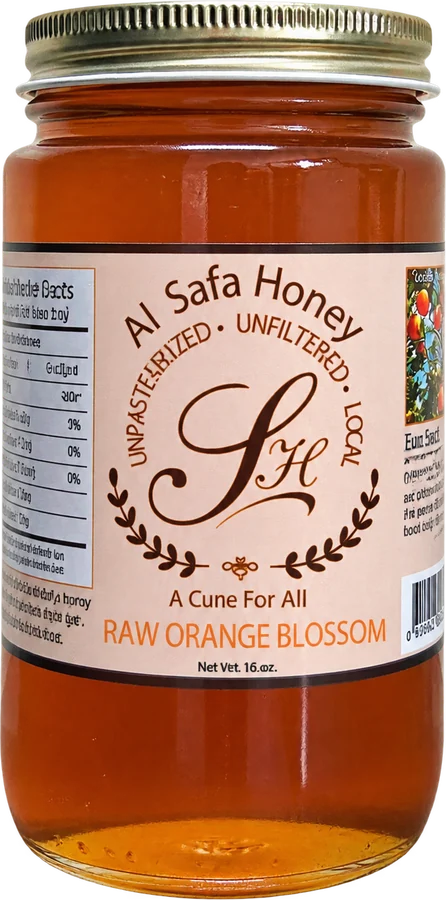
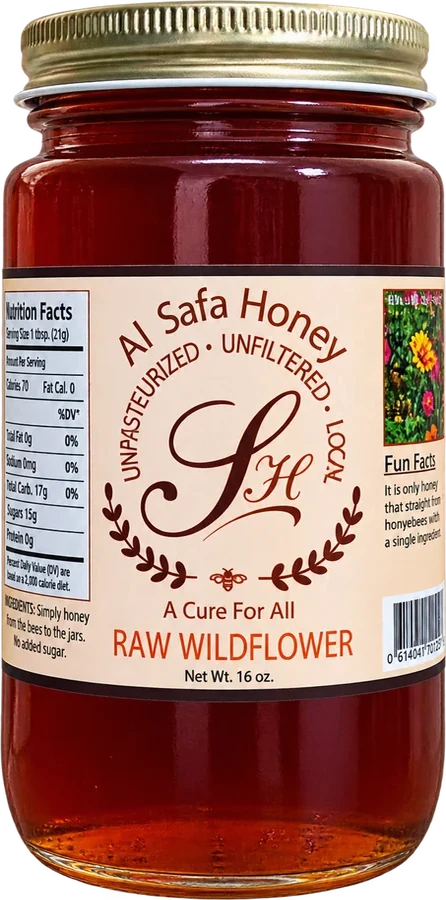
Mead does not have to be sweet. Dry meads taste crisp and wine-like, with floral, fruity notes from the honey. Sweet meads are rich and dessert-like. Sparkling session meads are light and refreshing, often closer to cider. The honey has a huge influence: orange blossom honey gives citrus and floral aromas, wildflower gives layered complexity, and buckwheat gives a dark, malty, almost port-like mead. See honey flavors.
How mead is made
In simple terms, honey is dissolved in water, often around 2 to 3 pounds of honey per gallon for a standard-strength mead, and yeast is added. Over weeks, the yeast turns the sugars into alcohol and carbon dioxide. The mead is then moved off the sediment, aged for months, and bottled. Because honey is low in the nutrients yeast needs, mead makers often add yeast nutrients to help fermentation along.
Home mead making is legal in most of the US for personal use, within federal and state limits. It requires clean equipment and patience; good mead often improves with a year or more of aging.
Mead in the US today
Craft mead has grown quickly in the US, with meaderies in nearly every state, including several in New York. Many focus on local honey and fruit and serve sparkling, lower-alcohol meads that appeal to cider and craft beer drinkers. Look for them at farm wineries, craft beverage festivals and good bottle shops.
Honey for mead makers
If you make mead at home, use a pure honey with a flavor you love, since it will carry through. Raw honey works well. Our Orange Blossom honey from Florida is a classic for bright, floral meads, and Wildflower honey from New York State gives a fuller, more complex result. For large batches, see our bulk honey guide. Mead is for adults of legal drinking age only.
Frequently asked questions
- What is mead made of?
- Honey, water and yeast. Some styles add fruit, spices or malt.
- Is mead wine or beer?
- Neither, strictly. It is its own category, though it is often called honey wine and made like wine.
- Is mead sweet?
- It can be dry, semi-sweet or sweet, depending on how much sugar is left after fermentation.
- How strong is mead?
- Usually from about 5 percent alcohol for session meads to over 15 percent for strong traditional meads.
Al Safa Honey is a food producer, not a medical provider. Nothing here is medical advice. Never give honey of any kind to a baby under 12 months old.