Honey Science & Purity
The 110°F Rule: What Factory Heat Does to Living Hive Enzymes
Al Safa HoneyOctober 1, 20267 min read
A honeybee visits roughly two million flowers to fill a single pound of honey. Along the way she adds enzymes from her own body to the nectar she carries — the quiet biological work that turns flower sugar into honey at all. Most honey sold in America is then heated to around 160°F so it pours faster through a filter. The bees' work takes a summer. Undoing it takes about four minutes.
What the bees actually add
Nectar arrives at the hive as little more than sweet water. The bees contribute invertase, which splits complex sucrose into simple glucose and fructose; diastase, which breaks down starch; and glucose oxidase, which generates the trace hydrogen peroxide that keeps honey naturally stable inside the comb.
These are proteins, and proteins are fragile. They are shaped for life inside a hive, which sits between roughly 93°F and 97°F in the brood nest and rarely passes 100°F even in high summer.
Why 110°F is the line we hold
Enzyme activity does not switch off at one dramatic temperature — it degrades on a curve, and the curve steepens sharply once honey passes the warmth of its own hive. Diastase activity is measured in the honey trade for exactly this reason: a low reading is the industry's own fingerprint of over-heated honey.
We set our ceiling at 110°F, comfortably above a hot harvest day and far below anything that would cook the jar. No honey in our facility is ever taken past it.
What pasteurization is really for
Pasteurizing milk protects you from pathogens. Pasteurizing honey does not — honey's low water content and natural acidity already make it inhospitable to spoilage organisms. Heat is applied to honey for commercial convenience: it thins the honey for high-speed filling lines, dissolves crystals so the jar looks glassy for years, and lets packers blend honey from many sources into one uniform product.
None of those benefits belong to you. All of them cost you the character of the bloom.
How Al Safa handles a harvest
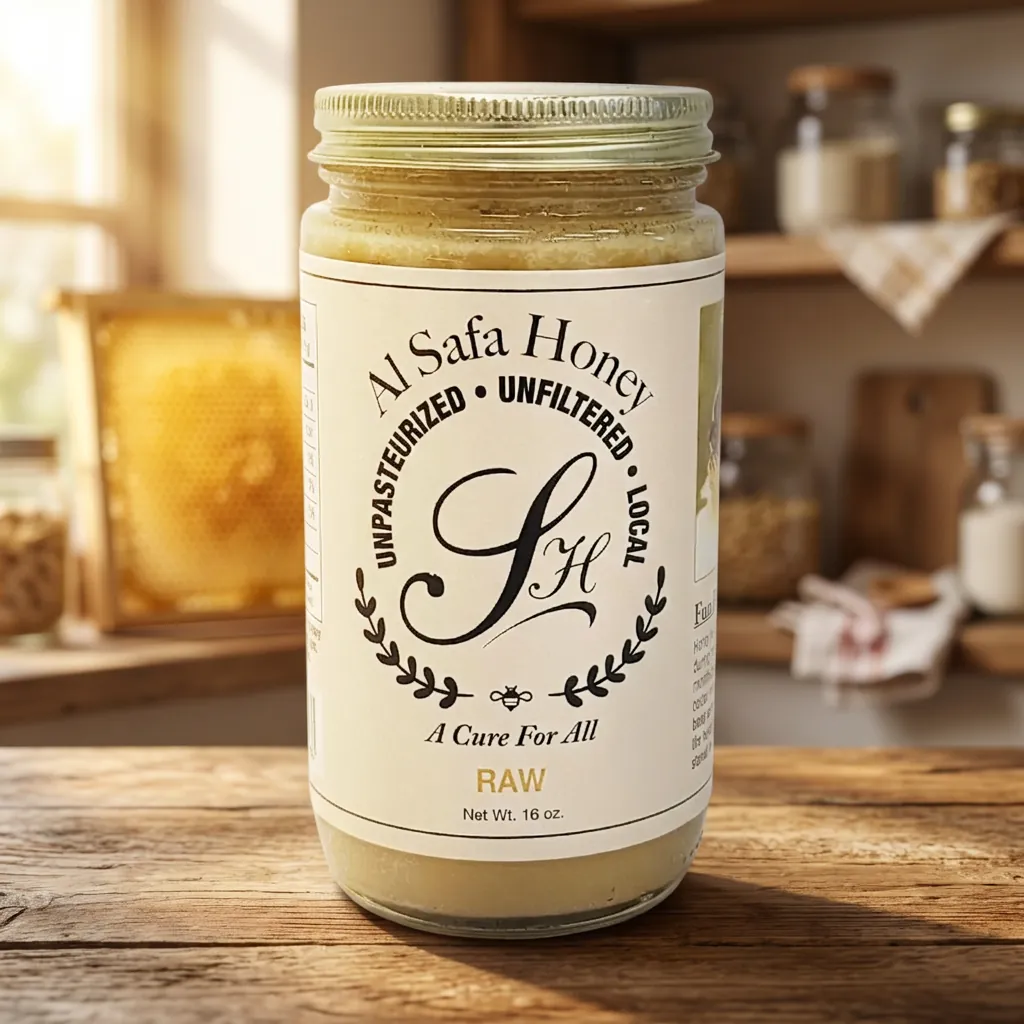
Frames come out of the hive and go straight into a cold extractor — no steam, no warming cabinet, no heat tunnel. The honey is strained through a coarse mesh that catches wax flecks and lets the natural pollen pass right through. Then it goes into glass.
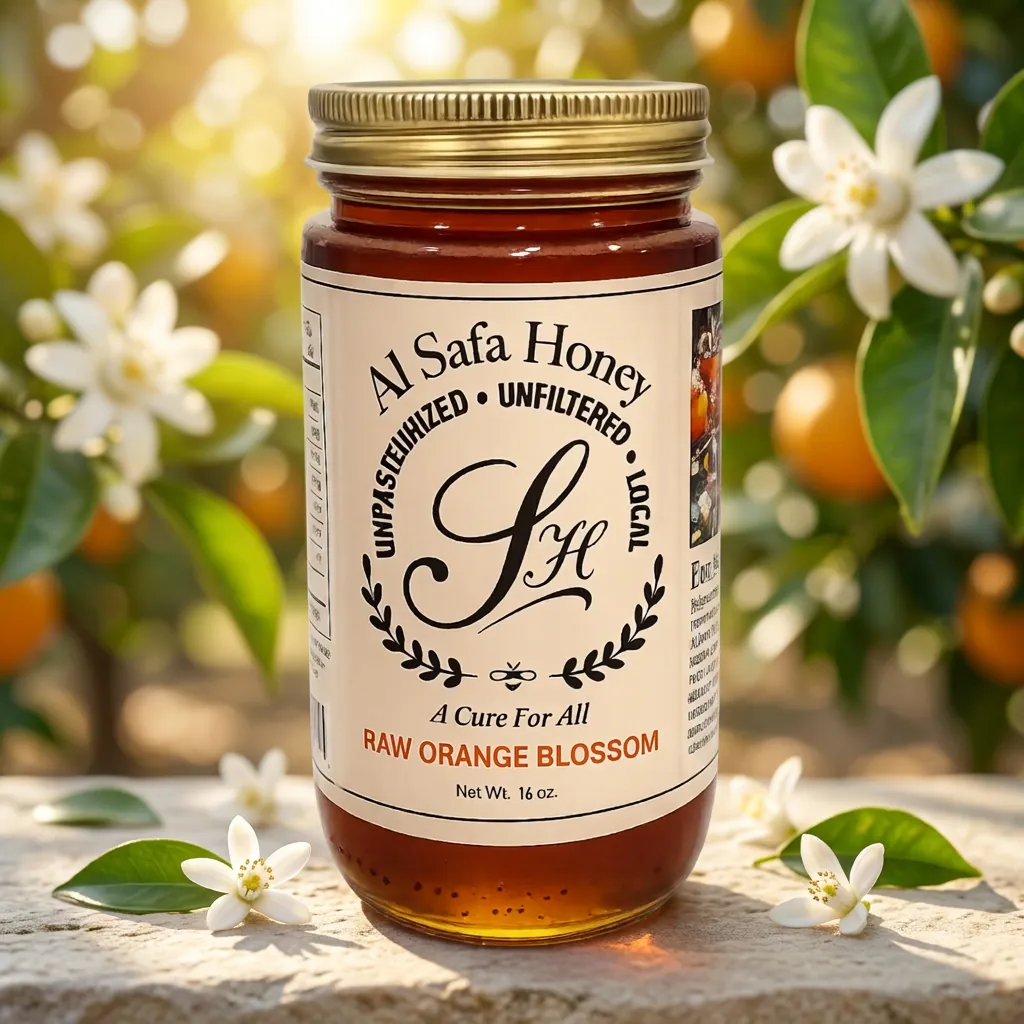
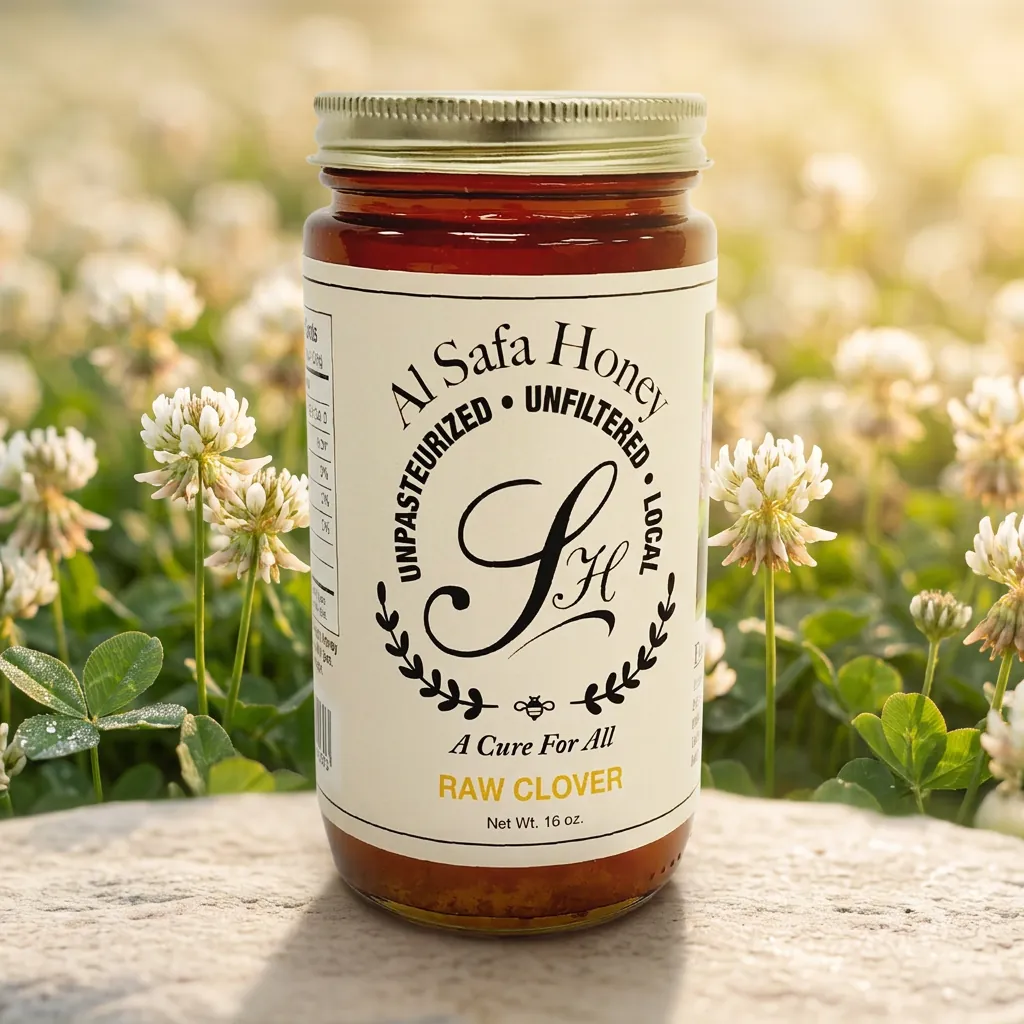
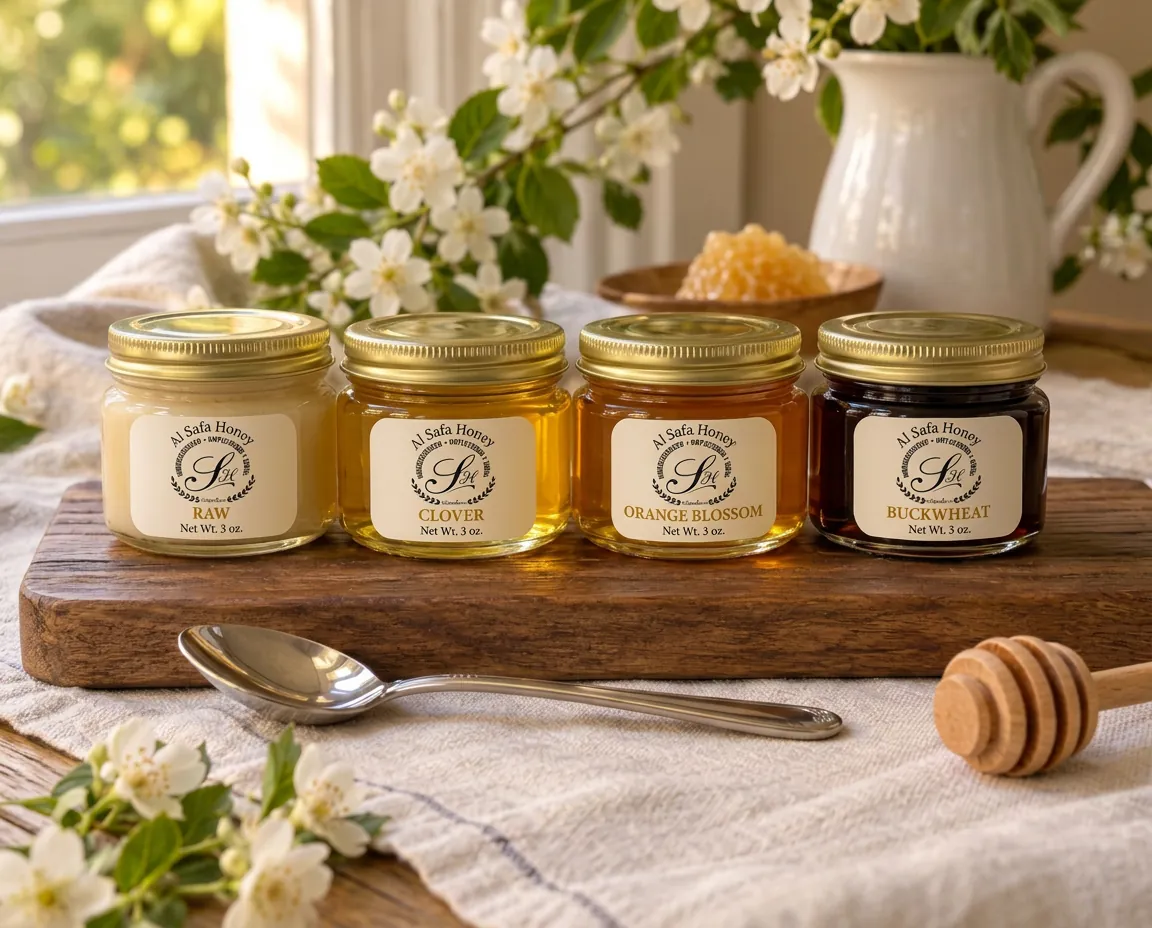
One bloom per jar. One harvest per batch. Nothing blended to hit a price point, and nothing corrected to hit a color. It is slower, it yields less, and it is the entire reason we can call this America's purest raw honey.
The ritual
The Never-Boil Rule for Honey in Hot Drinks
The most common way people destroy good honey at home is stirring it into a cup that is still steaming. One minute of patience preserves everything.
- 1Brew your tea or coffee as usual and let it stand 3 to 4 minutes until you can hold the cup comfortably.
- 2Only then stir in your raw honey — the drink should be warm and drinkable, never scalding.
- 3For lemon and honey, add the lemon first and the honey last, off the heat.
- 4Baking with raw honey? Keep one jar for the oven and one for the spoon. Heat the cheap honey, eat the raw one.
Questions we get asked
- Is all raw honey unpasteurized?
- By definition raw honey has not been pasteurized or heated above hive temperature, and has been strained rather than micro-filtered. Labels are loosely policed, so the real tests are visible pollen haze and natural crystallization over time.
- Does raw honey need refrigeration?
- No. Store it sealed at normal room temperature, out of direct sunlight. Refrigeration only speeds up crystallization.
- How can I tell if honey has been heated?
- Heated and filtered honey stays perfectly clear and pourable indefinitely, pours thin, and tastes uniform from jar to jar. Raw honey varies by bloom and season, carries a faint pollen haze, and sets over time.
Al Safa Honey is a food producer, not a medical provider. Nothing here is medical advice or a treatment for any condition — speak with your own doctor about your health, and never give honey of any kind to an infant under one year of age.
100% raw & unfiltered
Cold-extracted, never heated above hive temperature. Natural pollen intact.
Secure encrypted checkout
256-bit encryption with Shop Pay, Apple Pay and Google Pay verification.
Fast U.S. shipping
Packed by hand and shipped from New Jersey. Free on orders over $50.
Cancel any time
Skip a shipment, swap your harvest or cancel in one tap. No contracts.