Honey Antioxidants: What's in the Jar and What Research Suggests
Honey is mostly sugar and water, but the small fraction that is left over is where things get interesting. That fraction holds plant compounds carried in from nectar, and many of them act as antioxidants in the lab. This article walks through what those honey antioxidants are, why the amount changes so much from one jar to the next, what the human research actually measured, and how to think about honey sensibly as part of an everyday diet.
What antioxidants are found in honey?
Antioxidants are compounds that can neutralize unstable molecules called free radicals or reactive oxygen species. Our bodies produce these molecules during normal metabolism, and an excess of them is linked in research to cell damage. Many foods, especially plant foods, contain compounds that show antioxidant activity in laboratory tests.
In honey, the main antioxidant groups are phenolic compounds, which include phenolic acids and flavonoids. Researchers have also identified smaller contributions from enzymes, certain amino acids, carotenoid-like pigments and products formed as honey ages. Reviews in scientific journals describe polyphenols as the compounds that most strongly influence how much antioxidant activity a given honey shows.
These compounds do not come from the bees themselves so much as from the plants the bees visited. Nectar, pollen and plant resins each carry their own chemistry into the honey, which is why honey from different flowers can look, smell and test so differently.
Why darker honey usually tests higher
One of the most consistent findings in honey research is a link between color and antioxidant content. A review of phenolic compounds in honey describes a relationship between a honey's botanical origin, its color and its measured antioxidant activity, with darker honeys generally scoring higher than light ones.
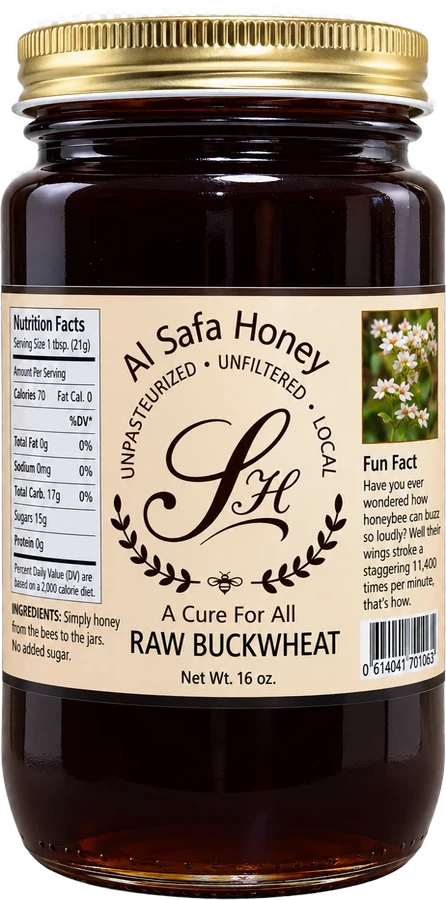
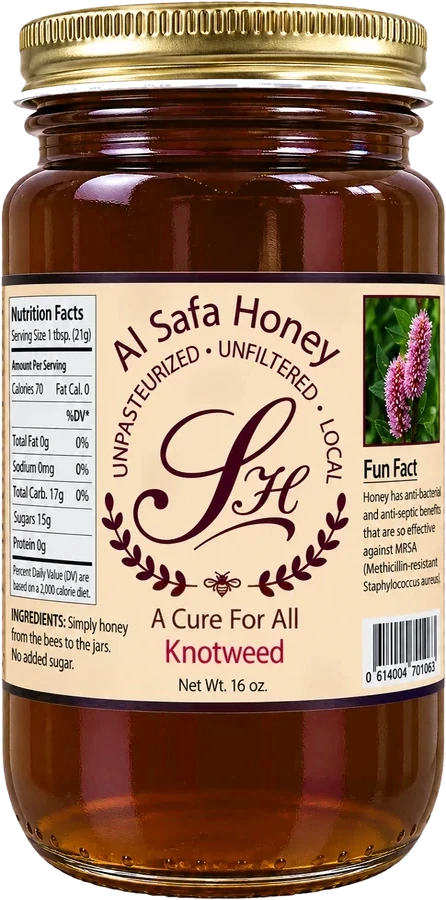
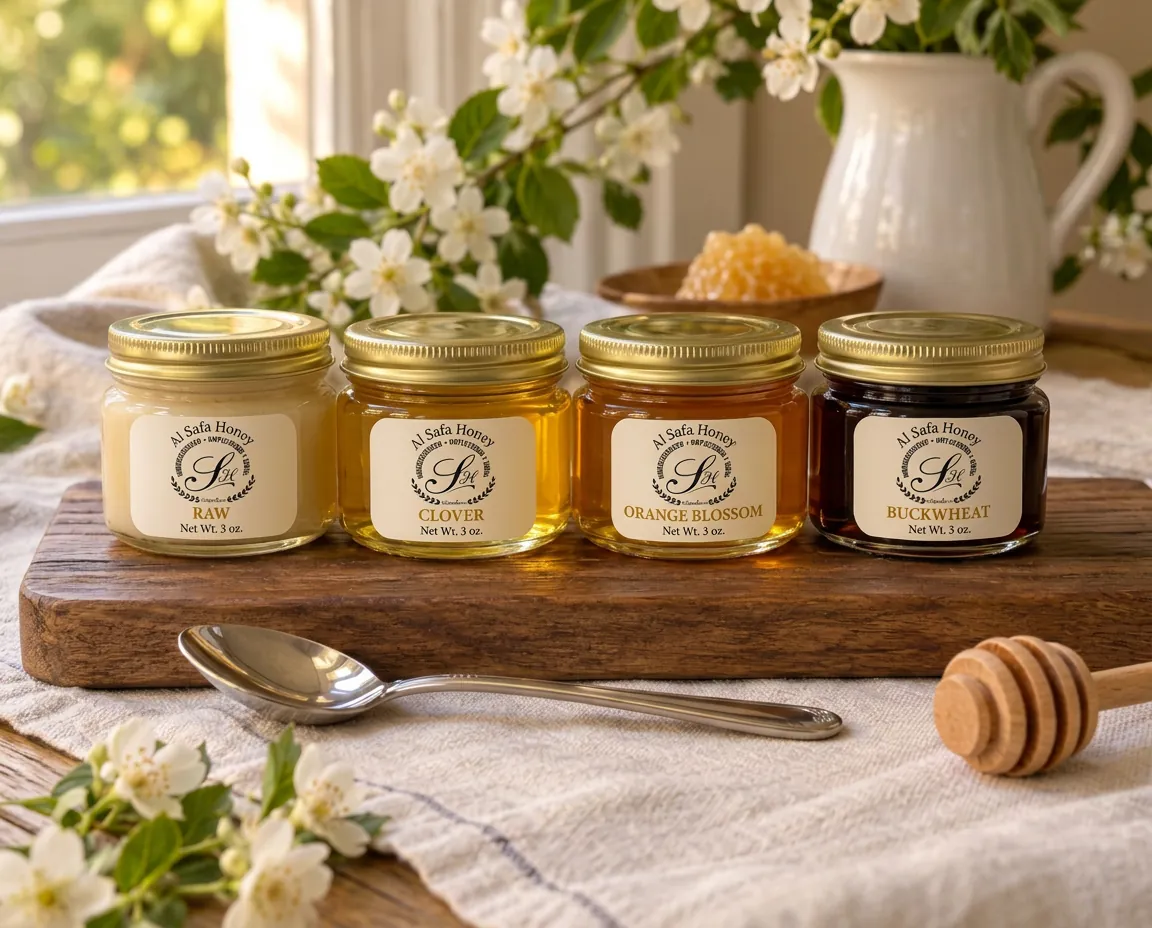
Buckwheat honey is the classic example. It is nearly black-brown, with a malty, molasses-like flavor, and it tends to rank near the top in lab comparisons. Knotweed honey, another late-season dark honey, sits in similar territory. Pale honeys such as clover or orange blossom usually test lower, although they still contain some phenolic compounds.
Color is a helpful rule of thumb, not a guarantee. Weather, soil, the exact mix of flowers and how the honey was handled can all shift the numbers. Two jars of the same variety from different seasons may not test the same.
- Darker honeys (buckwheat, knotweed): usually the highest measured antioxidant activity
- Amber honeys (many wildflower blends): usually in the middle
- Light honeys (clover, orange blossom): usually lower, with a milder taste
What human studies have found so far
Most honey antioxidant research is done in test tubes, which tells us what a honey can do in a lab dish, not what happens after you eat it. A smaller number of studies have looked at people. One frequently cited trial found that drinking buckwheat honey dissolved in water was followed by a measurable rise in the antioxidant capacity of participants' blood. That was a short-term study in a small group of healthy adults.
Health writers at Healthline and WebMD both describe honey as a source of polyphenols and flavonoids, and both note the buckwheat honey finding. They also stress that honey is mostly sugar and should be eaten in moderation. That balance is important: a change in a blood marker over a few hours is not the same as a proven long-term health benefit.
Researchers continue to study honey antioxidants, including how they are absorbed and how gut bacteria may change them. For now, the honest summary is that honey contains antioxidant compounds, darker honeys contain more, and evidence about what this means for long-term health is still limited.
Raw honey and why gentle handling may matter
Heat and heavy processing can change some of the more delicate compounds in honey. Studies on thermal treatment have reported shifts in antioxidant measurements when honey is heated, though results vary by honey type and temperature. This is one reason many people prefer honey that has not been pasteurized or finely filtered.
Al Safa honeys are raw and unpasteurized. They are strained only to remove bits of wax, so the honey keeps the character of the flowers it came from. We do not make laboratory claims about antioxidant levels in any specific jar, and we would encourage some caution toward brands that do.
If you want the most of what honey naturally carries, a simple habit helps: add honey to warm, not boiling, drinks, and store the jar at room temperature with the lid closed.
Enjoying darker honey in everyday meals
Because honey is still an added sugar, the goal is not to eat more of it but to choose a honey you enjoy for the amount you already use. If you sweeten oatmeal, yogurt or a cup of black tea, swapping a light honey for a darker one is an easy way to bring along more of those plant compounds and a richer flavor.
Buckwheat honey pairs well with rye toast, gingerbread, barbecue glazes and strong coffee. Knotweed honey has a softer, slightly fruity depth that works in marinades and drizzled over aged cheese. A sampler is a good way to taste the range side by side and notice how color and flavor travel together.
Think of honey antioxidants as a pleasant bonus of choosing a characterful food, alongside the much larger contribution that vegetables, fruit, beans, nuts, tea and whole grains make to your diet.
Sources
Outside health sources we used for this article. They open in a new tab.
- Phenolic Compounds in Honey and Their Relationship with Antioxidant Activity, Botanical Origin, and Color · National Library of Medicine (PMC)
- Polyphenols as the Main Compounds Influencing the Antioxidant Effect of Honey: A Review · National Library of Medicine (PMC)
- Buckwheat honey increases serum antioxidant capacity in humans · PubMed
- Health Benefits of Honey · Healthline
- Honey: Are There Health Benefits? · WebMD
Frequently asked questions
- Which honey has the most antioxidants?
- In published comparisons, dark honeys such as buckwheat usually show the highest antioxidant activity, while pale honeys like clover tend to show less. Results still vary by batch, season and handling.
- Is honey a good source of antioxidants compared with fruit and vegetables?
- Not really. Honey contains antioxidant compounds, but you eat it in small amounts and it is mostly sugar. Fruit, vegetables, tea, beans and nuts contribute far more to your diet. Honey is best seen as a tasty way to sweeten food, with antioxidants as a small extra.
- Does heating honey destroy its antioxidants?
- Research suggests strong or prolonged heat can change some compounds in honey. Stirring honey into a warm drink after it has cooled slightly is a sensible habit if you want to keep more of what it naturally contains.
- Can I give honey to my baby for antioxidants?
- No. Honey should never be given to babies under 12 months old in any form, because it can carry spores that cause infant botulism, a rare but serious illness. Honey is considered safe from age 1.
Al Safa Honey is a food producer, not a medical provider. Nothing here is medical advice, and these statements have not been evaluated by the Food and Drug Administration. Talk to your doctor about any health concern. Never give honey of any kind to a baby under 12 months old.