Honey for Allergies: What the Research Actually Shows
Every spring someone suggests a spoonful of honey a day as a way to get through pollen season. It is a lovely idea, and it has been passed around for decades. The trouble is that the research behind it is thin and the results point in different directions. This article walks through where the idea comes from, what the handful of studies found, why many allergists remain unconvinced, and how to think about honey as a pleasant food rather than an allergy plan.
Where the honey and allergies idea comes from
The theory sounds logical at first. Bees visit flowers, flowers make pollen, and some pollen ends up in honey. If you eat small amounts of that pollen regularly, the thinking goes, your body might grow used to it, a bit like the gradual exposure used in allergy shots. Many people find that story persuasive because it borrows the language of real allergy medicine.
The problem is in the details. Allergy shots and tablets use carefully measured doses of specific allergens that are raised slowly over months under medical supervision. A jar of honey offers nothing like that. The amount and type of pollen in honey varies from jar to jar, and there is no way to know how much, if any, of the pollen you react to is in a given spoonful.
There is also a mismatch in the kind of pollen involved. WebMD notes that honey mostly carries heavier, sticky flower pollen that insects move around, while seasonal allergies are usually triggered by light, wind-blown pollen from trees, grasses and weeds. Those are not the plants bees rely on for nectar, so they show up in honey in small and unpredictable amounts.
What the studies found
Only a few controlled trials have looked at eating honey for allergy symptoms, and they disagree. A 2002 study published in the Annals of Allergy, Asthma and Immunology compared regionally collected honey, commercial honey and a honey-flavored placebo in people with seasonal rhinoconjunctivitis. None of the groups did better than the others over the season.
A later randomized trial in Malaysia, published in 2013, gave adults with allergic rhinitis a large daily dose of honey, about one gram per kilogram of body weight, on top of their regular antihistamine. That group reported more improvement in symptoms than the group taking a corn syrup placebo with the same medicine. The study was small, everyone was also taking medication, and the honey dose was far more sugar than most people should eat daily.
Mayo Clinic sums up the state of things plainly: honey has not been shown to ease seasonal allergy symptoms when eaten or used as a nose spray, though one small study saw a difference when honey was combined with an allergy medicine. Healthline reaches a similar conclusion. In short, the question is still open, and the existing evidence is not strong enough to recommend honey for this purpose.
Why allergists stay cautious
Allergists worry less about honey itself and more about what it might replace. If someone skips a proven option, such as a nasal steroid spray, an antihistamine or a course of immunotherapy, because they are counting on honey, their symptoms may go unmanaged for an entire season. That is a real cost even if the honey is harmless.
Some people also react to honey. Healthline points to case reports of serious allergic reactions after eating honey, likely linked to pollen or bee proteins in the jar. Anyone with a severe pollen allergy, a known bee-related allergy or a history of anaphylaxis should check with their doctor before eating raw honey, and should seek emergency care for swelling of the lips or throat, hives or trouble breathing.
How to enjoy honey during allergy season
None of this means you need to give up honey in spring. It can still be a pleasant part of a soothing routine. A warm mug of tea with a teaspoon of honey can feel comforting when your throat is scratchy from postnasal drip, and several health sources mention honey as a gentle option for a cough or sore throat in adults and children over one year old.
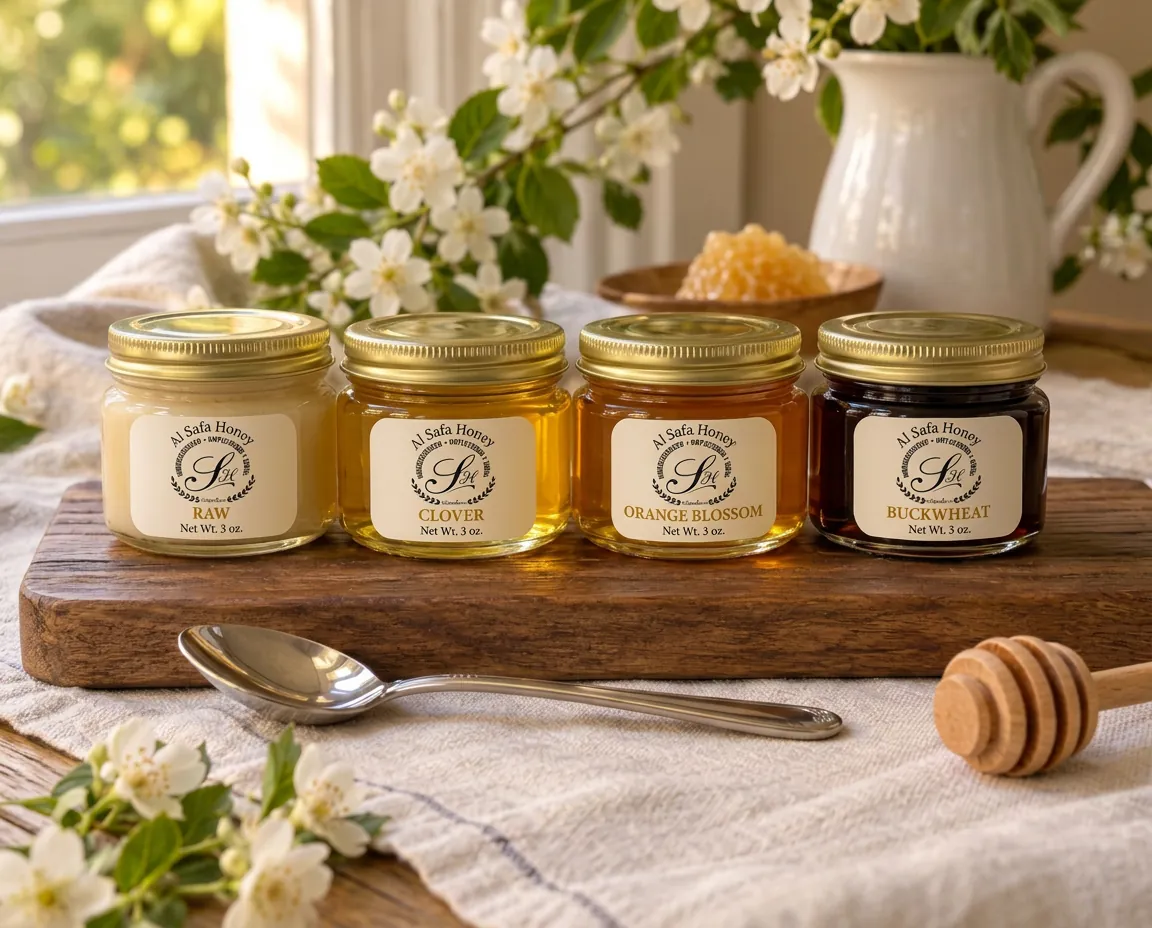
The key is to think of honey as a food you enjoy rather than a strategy you depend on. Keep portions modest, since honey is mostly sugar, and pair it with the allergy plan your doctor recommends. If you are curious how different floral sources taste, a sampler is a fun way to explore, but choose by flavor rather than by any promise about pollen.
- Stir a teaspoon into warm, not boiling, tea or water
- Drizzle over yogurt or oatmeal at breakfast
- Keep using the allergy care your doctor recommends
- Stop and seek help if you notice itching, swelling or wheezing after eating honey
A note on our raw honey
Al Safa honeys are raw and unpasteurized. They are strained to remove bits of wax but are not heated or ultrafiltered, so they keep the natural character of the nectar they came from, including whatever pollen naturally remains. We do not sell them as an allergy remedy, and we would rather you enjoy a jar for its taste than buy it expecting relief from hay fever.
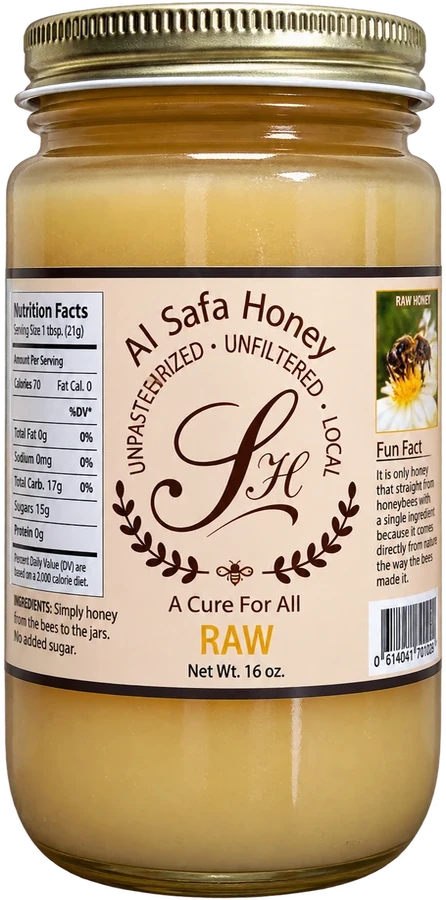
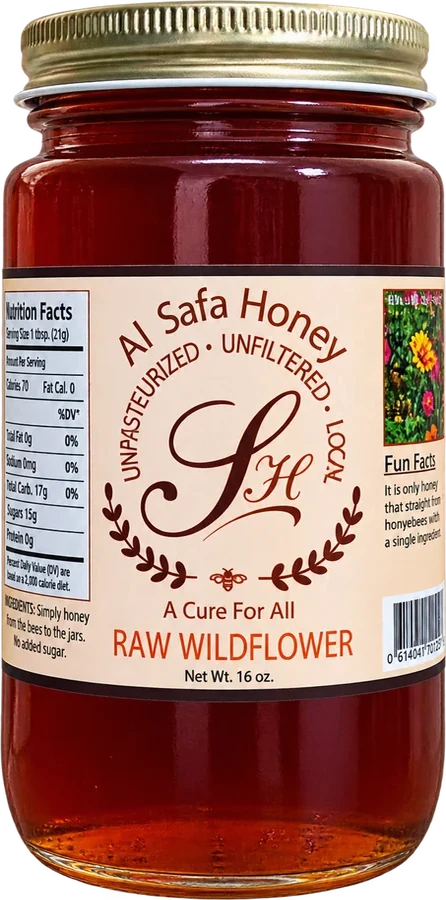
If you want a starting point, Pure Raw Honey is our everyday jar, and Raw Wildflower Honey offers a blend of many blossoms with a rounder flavor. Both are made for tea, toast and cooking, which is exactly where honey shines.
Sources
Outside health sources we used for this article. They open in a new tab.
- Honey · Mayo Clinic
- Does Local Honey Help With Nasal Allergies? · WebMD
- Does Honey Work as a Remedy for Allergies? · Healthline
- Effect of ingestion of honey on symptoms of rhinoconjunctivitis · National Library of Medicine (PubMed)
- Ingestion of honey improves the symptoms of allergic rhinitis: evidence from a randomized placebo-controlled trial in the East coast of Peninsular Malaysia · National Library of Medicine (PubMed)
Frequently asked questions
- Does eating honey help with seasonal allergies?
- The research is mixed. One older trial found no difference from placebo, and a small later trial saw some improvement only when honey was taken with allergy medicine. Mayo Clinic and other sources say honey has not been shown to ease seasonal allergies, so talk to your doctor about proven options.
- Is raw honey better than regular honey for allergies?
- There is no good evidence that raw honey works better for allergy symptoms. Raw honey may carry a little more pollen, but the amount is unpredictable and usually not the type of pollen that causes hay fever.
- Can I give honey to my baby for allergies?
- No. Honey of any kind should never be given to babies under 12 months old because it can cause infant botulism, a rare but serious illness. This includes honey mixed into food or put on a pacifier.
- Can honey cause an allergic reaction?
- Rarely, yes. Some people react to pollen or bee proteins in honey. If you have a serious pollen or bee allergy, ask your doctor before eating raw honey, and get emergency help for swelling, hives or trouble breathing.
Al Safa Honey is a food producer, not a medical provider. Nothing here is medical advice, and these statements have not been evaluated by the Food and Drug Administration. Talk to your doctor about any health concern. Never give honey of any kind to a baby under 12 months old.