Honey Immune Support: What Science Can and Cannot Say
When cold season arrives, honey tends to move to the front of the cupboard. It goes into tea, onto toast and into warm lemon water, and it is easy to feel that it is doing your body some good. The question of whether honey actually supports the immune system is more complicated. This guide separates what researchers have observed, mostly in labs, from what is known about people, and offers a realistic place for honey in a healthy routine.
What researchers are looking at
Scientists have examined honey's effects on immune cells in the lab for years. Some studies report that honey extracts change how certain immune cells release signaling molecules, which is what researchers mean when they call a substance immunomodulatory. Reviews in medical journals describe these findings as promising areas for study.
It is important to know how these experiments are done. They usually place honey or isolated honey compounds directly onto cells in a dish, at concentrations that may not reflect what reaches your bloodstream after breakfast. One study even found that some apparent immune effects of honey could not be told apart from tiny amounts of bacterial endotoxin in the samples. That does not make the research worthless, but it shows how hard it is to translate lab results into real-life advice.
Antioxidants and why they come up
Honey contains polyphenols and flavonoids, plant compounds that act as antioxidants in lab tests. Antioxidants help neutralize unstable molecules called free radicals, and a review titled Honey as a Potential Natural Antioxidant Medicine explores how these compounds may work in the body. Darker honeys generally contain more of them than lighter ones.
Cleveland Clinic offers a useful reality check. It notes that honey does contain antioxidants but cautions that you should not count on honey as a major source of them. Fruits, vegetables, beans, nuts and whole grains provide far more, along with fiber and vitamins that honey simply does not have in meaningful amounts.
Where honey has better evidence
The area with the most human research is not immunity in general but coughs. Mayo Clinic notes that honey may lessen coughs in children aged one and older, and Medical News Today describes a study in which honey outperformed a placebo for children's nighttime coughs. That is about easing a symptom while the body does its own work, not about strengthening the immune system.
For adults with a cold, a warm drink with honey can be soothing and may make it easier to rest. That comfort has real value, but it is different from a claim that honey keeps you from getting sick. If symptoms are severe, last more than a week or two, or come with a high fever or trouble breathing, see your doctor.
Habits that matter more for immunity
Most of what supports a healthy immune system is unglamorous. Regular sleep, a diet full of varied plant foods, physical activity, not smoking, managing stress and keeping up with recommended vaccines all have far stronger evidence than any single food. Honey can sit happily alongside those habits as a small pleasure.
Because honey is mostly sugar, more is not better. Health guidelines count honey as an added sugar, so a teaspoon in tea is a sensible amount, while large daily spoonfuls add calories without adding much nutrition.
- Aim for consistent, sufficient sleep
- Fill half your plate with vegetables and fruit
- Stay active most days of the week
- Talk to your doctor about vaccines and any ongoing health concerns
Enjoying honey through cold season
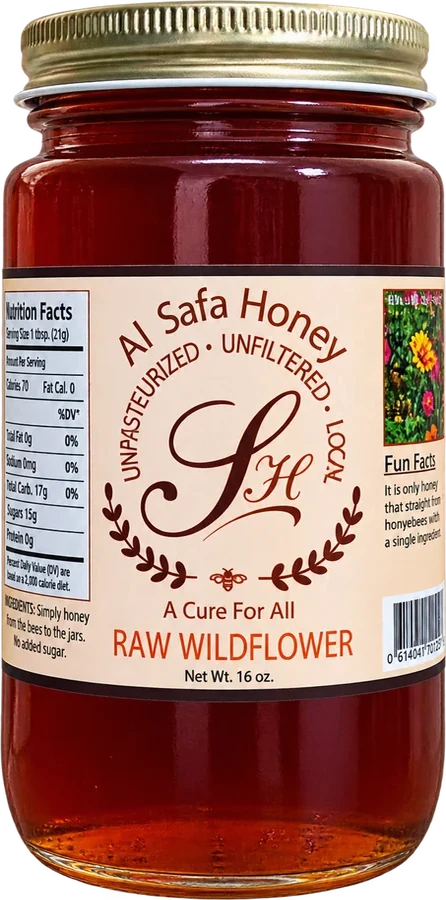
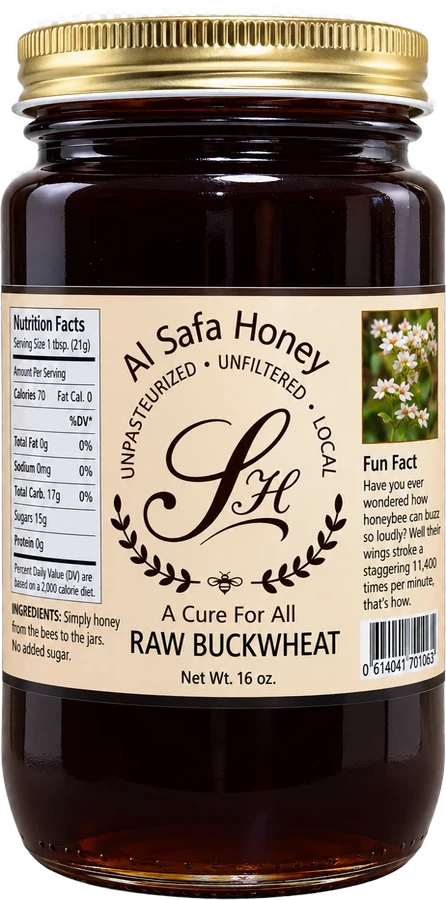
If you like having honey on hand in winter, choose a jar you genuinely enjoy. Raw Wildflower Honey has a full, rounded flavor that suits tea, and Raw Buckwheat Honey is dark and malty, with a taste some people love stirred into hot drinks. Add honey once your drink has cooled slightly so its flavor stays bright.
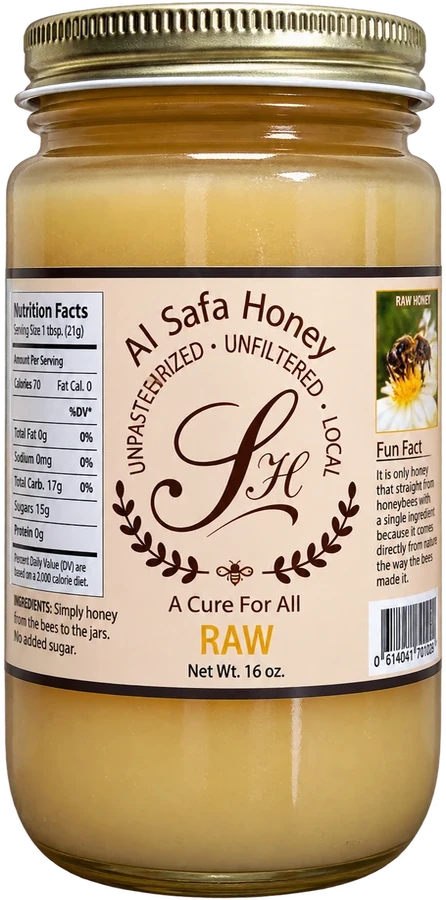
All Al Safa honeys are raw and unpasteurized, strained of wax only. We offer them as foods with lovely flavor, not as immune products, and we encourage anyone managing a health condition to follow their doctor's guidance first.
Sources
Outside health sources we used for this article. They open in a new tab.
- 5 Health Benefits of Honey · Cleveland Clinic
- Honey · Mayo Clinic
- Honey as a Potential Natural Antioxidant Medicine: An Insight into Its Molecular Mechanisms of Action · National Library of Medicine (PMC)
- Immunomodulatory effects of honey cannot be distinguished from endotoxin · National Library of Medicine (PubMed)
- Honey: Benefits, uses, and properties · Medical News Today
Frequently asked questions
- Does honey support the immune system?
- Honey contains antioxidants and other compounds that are being studied for immune effects, mostly in lab and animal research. There is no strong evidence that eating honey improves immunity in people.
- How much honey should I have when I have a cold?
- A teaspoon or two in a warm drink is a reasonable amount for adults. Honey counts as added sugar, so it is best enjoyed in modest portions.
- Can I give honey to my baby during cold season?
- No. Never give honey to a baby under 12 months old, even a small taste, because it can cause infant botulism. For babies and young children with cold symptoms, ask your pediatrician what is safe.
- Is dark honey better for immune support?
- Darker honeys tend to have more antioxidants, but that has not been shown to make a meaningful difference to immunity in people. Choose the honey you enjoy most.
Al Safa Honey is a food producer, not a medical provider. Nothing here is medical advice, and these statements have not been evaluated by the Food and Drug Administration. Talk to your doctor about any health concern. Never give honey of any kind to a baby under 12 months old.