Honey Hunting: From Cave Paintings to Himalayan Cliffs
Long before anyone kept bees in hives, people hunted for wild honey. Honey hunting appears in rock art thousands of years old and continues today, from the Gurung honey hunters who dangle from Himalayan cliffs on bamboo ladders to African hunters guided by birds. These traditions show how much people have valued honey, and they raise questions about safety, sustainability and change. This article explores ancient honey hunting art, living traditions around the world, the tools and rituals involved, threats to wild bees and hunters, and how honey hunting compares with beekeeping. For a bird that helps hunters, see the honeyguide bird.
For general education only, not medical advice. Our honey is a food and is not intended to diagnose, treat, cure or prevent any disease.
The oldest honey hunting image
In the Cuevas de la Araña near Bicorp in eastern Spain, a rock painting shows a human figure climbing ropes or vines to reach a bees' nest, with bees flying around. Wikipedia's summary notes it is estimated at about 8,000 years old, though dating is debated, and is often called the earliest known image of honey gathering.
Rock art around the world
Honey hunting scenes also appear in rock art in southern Africa, India and Australia. Many show ladders, smoke and bee swarms, suggesting that techniques used today are thousands of years old.
Nepal's cliff honey hunters
The Gurung people of central Nepal harvest honey from the Himalayan giant honey bee, Apis laboriosa, the world's largest honey bee, which builds huge combs on cliffs up to about 4,200 meters. As Scroll.in reports, hunters descend handmade bamboo rope ladders, use smoke to move bees, and pass combs down in buckets. Hunts happen twice a year, in spring and autumn.
- Handmade bamboo rope ladder
- Smoke to move bees
- Long poles to cut combs
- Baskets and buckets to lower honey
- Prayers before and thanks after
Rituals and respect
Before a hunt, Gurung hunters pray to water, earth, fire, wind and snake deities for safety and success. They ask the bees for forgiveness and thank them afterward, blessing the colony to grow. Hunts are tied to village festivals and are not held during certain religious days.
Mad honey
In spring, Himalayan giant honey bees forage on rhododendron flowers, producing honey containing grayanotoxins. This mad honey can cause dizziness and, in larger amounts, serious poisoning. Scroll.in quotes a Nepalese bee scientist saying there is no scientific proof of its claimed medicinal value. Our mad honey guide explains the risks.
African honey hunting and honeyguides
In Mozambique, Tanzania and other countries, honey hunters follow the greater honeyguide bird to wild nests in trees, using special calls. The bird eats the wax left behind. Hadza hunters in Tanzania also harvest honey from stingless bees. Our article on the honeyguide bird explains the partnership.
Honey hunting in Southeast Asia
In Malaysia, Indonesia and Thailand, hunters climb tall tualang trees at night to harvest honey from giant honey bees, Apis dorsata, guided only by burning torches that shower sparks and lead bees to follow the embers to the ground. Songs and chants accompany the climb.
| Region | Bee | Method |
|---|---|---|
| Nepal | Apis laboriosa | Cliff ladders and smoke |
| Mozambique and Tanzania | Apis mellifera and stingless bees | Honeyguide birds |
| Malaysia and Indonesia | Apis dorsata | Night climbs with torches |
| India (Sundarbans) | Apis dorsata | Mangrove forest collection |
Dangers of honey hunting
Honey hunting is risky: falls from cliffs and trees, hundreds of stings, and in the Sundarbans of India and Bangladesh, tiger attacks on honey collectors. These risks are part of why honey was so precious.
Declining wild bees
Nepalese researchers report steep declines in Himalayan giant honey bee colonies due to pesticides, habitat loss, hydropower dams, pests and over-harvesting. Commercial demand for mad honey and tourism adds pressure. Experts suggest symbolic hunts or bee-watching tours to earn income without harvesting.
Honey hunting vs beekeeping
Beekeeping grew out of honey hunting when people learned to house bees in logs, pots and baskets. Beekeeping is more predictable and, done well, less destructive. Honey hunting relies on wild colonies and can harm them if done too often.
Cultural heritage
Honey hunting traditions carry songs, prayers, knowledge of plants and bees, and community identity. Documenting and supporting these cultures, while protecting wild bees, is a goal of many researchers and local leaders.
Honey from managed hives
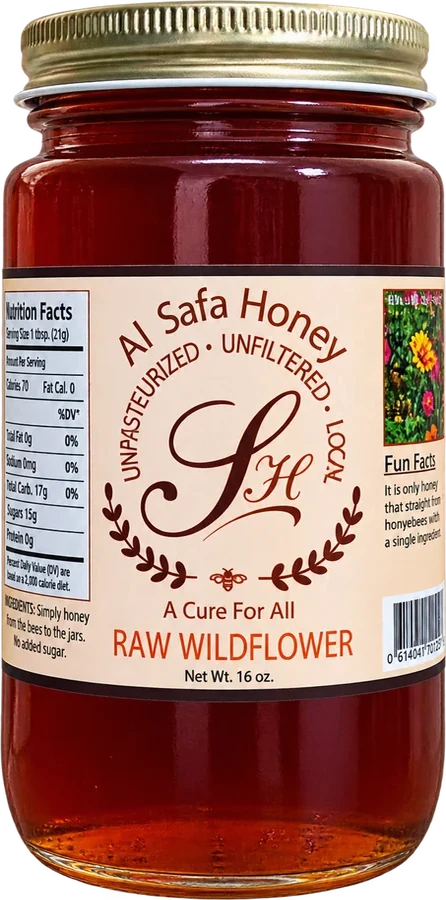
Our honey comes from a partner farm's managed hives, not wild nests. Try Raw Wildflower Honey, harvested in New York State, or Raw Knotweed Honey, a dark autumn honey from North Dakota.
The takeaway on honey hunting
Honey hunting is one of humanity's oldest food traditions, shown in 8,000-year-old rock art and still practiced on Himalayan cliffs, African savannas and Asian forests. Today, it faces declining wild bees and changing ways of life.
Tools passed down through generations
Honey hunting tools are often handmade and shared within families. Ladders are woven from local bamboo or vines, baskets from reeds, and smoke comes from bundles of green leaves that smolder rather than burn. Knowledge of where nests are, which seasons are best and how to calm bees is taught by older hunters to younger ones on real hunts. When fewer young people take part, this knowledge can be lost in a single generation.
Seeing honey hunting today
Some communities welcome visitors to watch hunts. Choose tours run by local people that respect the bees, the season and the hunters' rules.
Honey without the climb
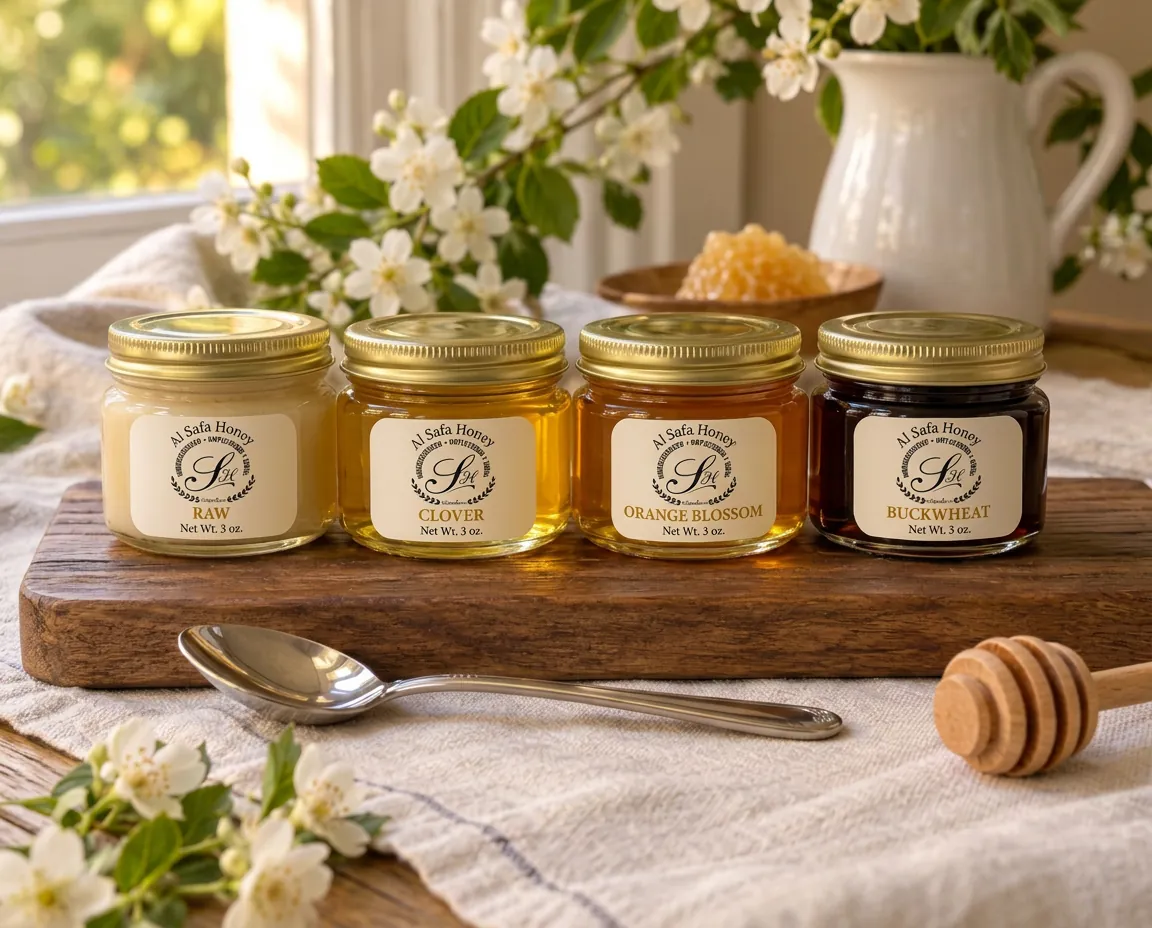
Enjoy raw honey from managed hives with the Pure Raw Honey Sampler. Save with a 3 jar or 6 jar pack of any honey, and orders over $50 ship free. Visit our shop.
Sources
Outside health sources we used for this article. They open in a new tab.
- Cuevas de la Araña · Wikipedia
- On the cliffs of the Himalayas in Nepal, a honey-hunting community grapples with change · Scroll.in
- Science: A Sweet Example of Human and Wild Animal Collaboration · American Association for the Advancement of Science
Frequently asked questions
- What is honey hunting?
- Gathering honey from wild bee nests rather than managed hives.
- How old is honey hunting?
- A Spanish cave painting about 8,000 years old shows it.
- Who are the Gurung honey hunters?
- A community in central Nepal who harvest honey from cliffs.
- What bee do Himalayan hunters harvest from?
- The Himalayan giant honey bee, Apis laboriosa.
- What is mad honey?
- Honey containing grayanotoxins from rhododendron nectar; it can cause poisoning.
- Is honey hunting dangerous?
- Yes. Falls, stings and even tiger attacks in some regions.
- Are wild bees declining?
- Researchers report steep declines in some Himalayan populations.
Al Safa Honey is a food producer, not a medical provider. Nothing here is medical advice, and these statements have not been evaluated by the Food and Drug Administration. Talk to your doctor about any health concern. Never give honey of any kind to a baby under 12 months old.