Stingless Bee Honey: The Tangy, Watery Honey of the Tropics
Most honey on store shelves comes from one species, the western honey bee. But in the tropics of Latin America, Africa, Southeast Asia and Australia, hundreds of species of stingless bees make their own honey. Stingless bee honey is thinner, more sour and more aromatic than ordinary honey, and it has been treasured for thousands of years, especially by the Maya of Mexico and Central America. This article explains what stingless bees are, how their honey differs, its history and cultural role, why it ferments easily, and how to store it. For more on bee diversity, see native bees vs honey bees.
For general education only, not medical advice. Our honey is a food and is not intended to diagnose, treat, cure or prevent any disease.
What are stingless bees
Stingless bees belong to the tribe Meliponini. They have stingers so small they cannot sting, and defend their nests by biting or swarming intruders instead. A 2021 review in Apidologie notes that more than 500 species have been described across 61 genera, in Latin America, Australia, Africa and tropical Asia. Like honey bees, they live in social colonies and store honey, but in wax-and-resin pots rather than hexagonal combs.
How the honey differs
Compared with honey from the western honey bee:
| Trait | Stingless bee honey | Western honey bee honey |
|---|---|---|
| Water content | Higher, often well above 20% | Usually 17 to 18% |
| Texture | Thin and runny | Thick |
| Taste | Tangy, sour, fruity | Sweet, varies by flower |
| Storage | Ferments easily; often refrigerated | Shelf stable |
| Yield per colony | Small, often a liter or less per year | Much larger |
Why it ferments
The Apidologie review explains that stingless bee honey's high moisture makes it very susceptible to fermentation, as yeasts convert sugars to alcohol and then acetic acid. That natural fermentation contributes to its tangy taste. Producers preserve it by refrigeration, dehumidifying, gentle pasteurization or controlled maturation.
The Maya and Melipona bees
The Maya of the Yucatán Peninsula kept the stingless bee Melipona beecheii, called xunan kab, meaning royal lady bee, for well over a thousand years. Colonies lived in hollow logs called jobones, sealed with stone or clay plugs. Honey was used in food, drink and ceremonies, and the bee god Ah Muzen Cab appears in Maya art. Meliponiculture declined in the 20th century as European honey bees spread, but conservation projects are reviving it.
Stingless bees around the world
In Brazil, many species are kept, and some states have adopted quality standards for their honey. In Australia, Tetragonula bees produce sugarbag honey, a traditional food for Aboriginal peoples. In Southeast Asia, kelulut honey from Heterotrigona and other species is popular in Malaysia and Indonesia. In Africa, local communities harvest honey from wild stingless bee nests.
- Mexico and Central America: Melipona honey
- Brazil: many Melipona and Scaptotrigona species
- Australia: sugarbag honey
- Malaysia and Indonesia: kelulut honey
Taste and uses
Stingless bee honey tastes bright, citrusy and sometimes like fermented fruit or sour candy. It is eaten by the spoon, drizzled over fruit, used in drinks and kept as a prized gift. Because it is thin, it is not ideal for baking or spreading.
Pollinators of the tropics
Stingless bees pollinate many tropical plants and crops, including macadamia, coffee, avocado and some fruits. Keeping them, called meliponiculture, supports pollination and rural incomes without the stinging that makes honey bee keeping harder for some people.
Price and rarity
Because each colony produces so little, stingless bee honey is expensive and hard to find outside producing regions. Be cautious with very cheap products, which may be diluted or mislabeled.
Quality standards
Standards written for regular honey, such as the Codex Alimentarius honey standard, are based on Apis honey, and stingless bee honey often exceeds their moisture limits. Researchers argue for separate, species-specific standards.
Storage tips
Keep stingless bee honey refrigerated in a tightly sealed jar unless the producer says it has been dehydrated or pasteurized. Bubbles and a slight fizz are normal signs of fermentation. Use a clean spoon each time.
Infant warning
Like all honey, stingless bee honey should never be given to babies under 12 months, as the CDC advises.
Compare with familiar honeys
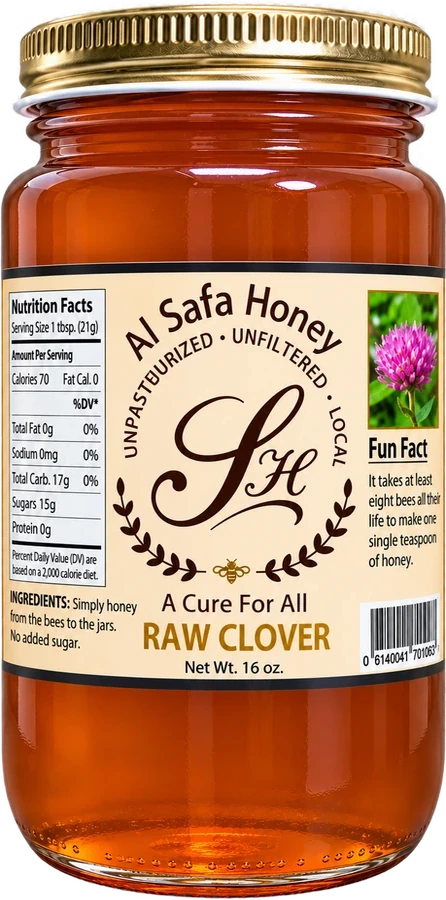
If you want to taste the range of honey from western honey bees, compare a light, mild honey like Raw Clover Honey, harvested in New York State, with a bold, dark one like Raw Buckwheat Honey. For a fruity note, try Raw Orange Blossom Honey from Florida.
The takeaway on stingless bee honey
Stingless bee honey is a thin, tangy, rare honey from more than 500 tropical bee species, treasured by the Maya and many other cultures. Its high moisture means it ferments easily, so store it cold and enjoy it as a special treat.
How stingless bee honey is harvested
Stingless bees store honey in small rounded pots made of cerumen, a mix of wax and plant resin. Keepers who use modern wooden boxes can lift a honey super and draw the honey out with a syringe or small pump, or pierce the pots and let them drain. In traditional log hives, the keeper opens the end plug and cuts out some pots, leaving the brood alone. Because the pots are sealed with resin, the honey often carries woody, herbal notes from the plants the bees visited.
Stingless bee honey with a stingless start
Many first-time keepers choose stingless bees because the hives are gentle enough for schools and backyards. That makes meliponiculture popular in community projects across Brazil, Mexico and Australia.
Explore honey's range
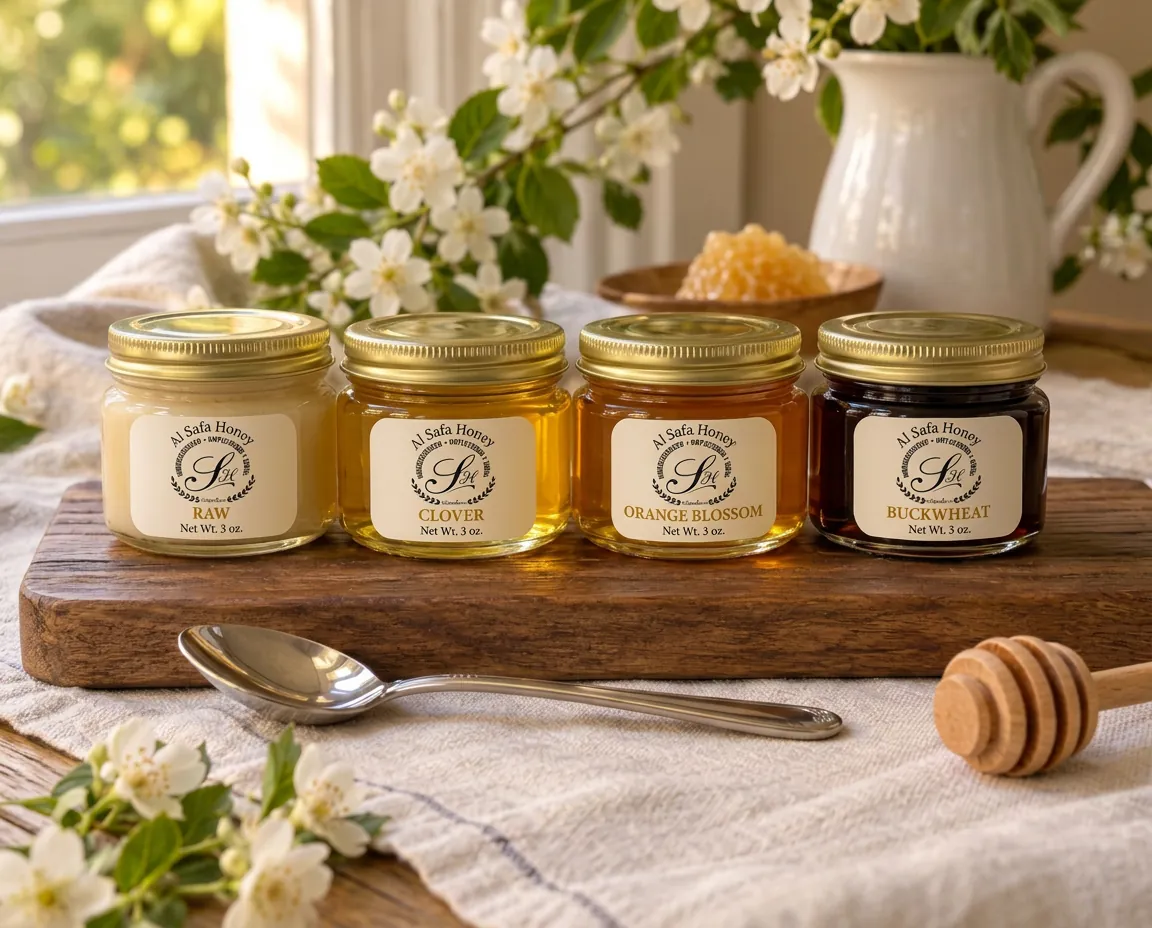
The Pure Raw Honey Sampler lets you compare four honeys from different blossoms. Save with a 3 jar or 6 jar pack of any honey, and orders over $50 ship free. Visit our shop.
Sources
Outside health sources we used for this article. They open in a new tab.
- Stingless bee honey: a review of quality control, chemical profile, and biological potential · Apidologie (Souza, Menezes and Flach, 2021)
- Codex standards list, including the Standard for Honey (CXS 12-1981) · Food and Agriculture Organization (Codex Alimentarius)
- Foods and Drinks to Avoid or Limit (infants and toddlers) · Centers for Disease Control and Prevention
Frequently asked questions
- What is stingless bee honey?
- Honey made by tropical stingless bees of the tribe Meliponini.
- How many stingless bee species are there?
- More than 500 described species.
- Why is stingless bee honey sour?
- Its high moisture lets it ferment naturally, producing acids.
- Does stingless bee honey need refrigeration?
- Usually, unless the producer has dehydrated or pasteurized it.
- Who kept stingless bees historically?
- The Maya kept Melipona beecheii in log hives for centuries.
- What is kelulut honey?
- Stingless bee honey from Malaysia and Indonesia.
- Why is it expensive?
- Each colony produces only small amounts.
Al Safa Honey is a food producer, not a medical provider. Nothing here is medical advice, and these statements have not been evaluated by the Food and Drug Administration. Talk to your doctor about any health concern. Never give honey of any kind to a baby under 12 months old.