Native Bees vs Honey Bees: Differences and Why Both Matter
When most people picture a bee, they imagine a honey bee. But honey bees are just one species, and they are not even native to the Americas. The United States is home to about 4,000 native bee species, from fuzzy bumble bees to tiny sweat bees and blue mason bees. Comparing native bees vs honey bees reveals big differences in where they live, how they nest, whether they make honey, and which crops they pollinate best. This article compares the two, explains why some native bees are declining, and shares how to support both. For lawn-based habitat, see bee friendly lawn.
For general education only, not medical advice. Our honey is a food and is not intended to diagnose, treat, cure or prevent any disease.
Origins
The western honey bee, Apis mellifera, originated in Africa, Europe and western Asia. European settlers brought it to North America in the 1600s for honey and wax. Native bees evolved here over millions of years alongside native plants. The U.S. Geological Survey notes more than 4,000 native bee species live in the United States.
Side-by-side comparison
The key differences:
| Trait | Honey bees | Native bees |
|---|---|---|
| Number of species | 1 (in the U.S.) | About 4,000 |
| Social life | Large colonies | Mostly solitary; some social |
| Nesting | Hives or cavities | Ground, stems, wood, cavities |
| Honey | Store harvestable honey | Bumble bees store small amounts; most none |
| Managed | Yes | Mostly wild; some managed |
| Stinging | Barbed stinger; dies after stinging people | Many rarely sting; males cannot |
How native bees live
Most native bees are solitary. A single female builds a nest, provisions it with pollen and nectar, lays eggs and dies before her offspring emerge. About 70 percent nest in the ground, digging tunnels in bare soil. Others, like mason and leafcutter bees, nest in hollow stems or old beetle holes in wood. Bumble bees form small annual colonies, often in abandoned rodent burrows. The USDA Forest Service's Bee Basics guide describes these life histories in detail.
Pollination strengths
Honey bees are generalists and work well in large monoculture crops because they can be moved in huge numbers. Many native bees are more efficient per visit on certain crops. Bumble bees buzz-pollinate tomatoes, peppers and blueberries by vibrating flowers to shake out pollen, something honey bees cannot do. Squash bees specialize in squash and pumpkin flowers. Mason bees are excellent orchard pollinators in early spring.
- Bumble bees: tomatoes, blueberries, peppers
- Squash bees: squash and pumpkins
- Mason bees: apples, cherries, almonds
- Honey bees: almonds and many large crops
Who makes honey
Only honey bees store large amounts of honey that people can harvest. Bumble bees store tiny amounts in wax pots for their colony. Stingless bees in the tropics make honey too; our article on stingless bee honey covers them. Most native bees feed their young a ball of pollen and nectar and store no honey at all.
Why some native bees are declining
Habitat loss, pesticides, disease and climate change affect native bees. Some bumble bees, like the rusty patched bumble bee, have declined sharply and are listed as endangered. Because native bees are not managed, there is no beekeeper to replace lost populations.
Do honey bees compete with native bees
In some places, large numbers of honey bee hives may compete with native bees for flowers and could spread diseases. Scientists are still studying how much this matters. Keeping hives near crops and abundant forage, and planting more flowers, helps reduce competition.
How to help native bees
Plant native flowers that bloom from spring to fall, leave bare soil for ground nesters, leave dead stems standing over winter, avoid pesticides on blooms, and let some clover bloom in your lawn. A simple bee hotel of drilled wood or bamboo tubes can host mason bees if cleaned or replaced regularly.
How to help honey bees
Support beekeepers by buying honey, plant flowers, provide water and avoid spraying blooms. Our article on does buying honey help bees explains how honey sales support beekeepers.
Identifying bees in your garden
Honey bees are golden brown with striped abdomens and carry pollen in baskets on their back legs. Bumble bees are larger and fuzzy with yellow and black bands. Sweat bees are small and often metallic green. Mason bees are dark blue-black. Many native bees are tiny and easy to overlook.
Both bees, one landscape
A garden with diverse flowers supports both honey bees and native bees. Each visits different flowers at different times, and together they pollinate more effectively than either alone.
Honey from honey bees
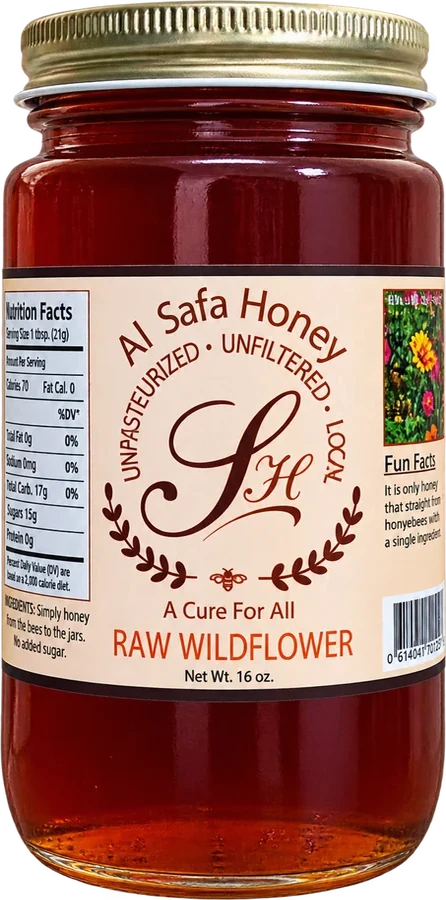
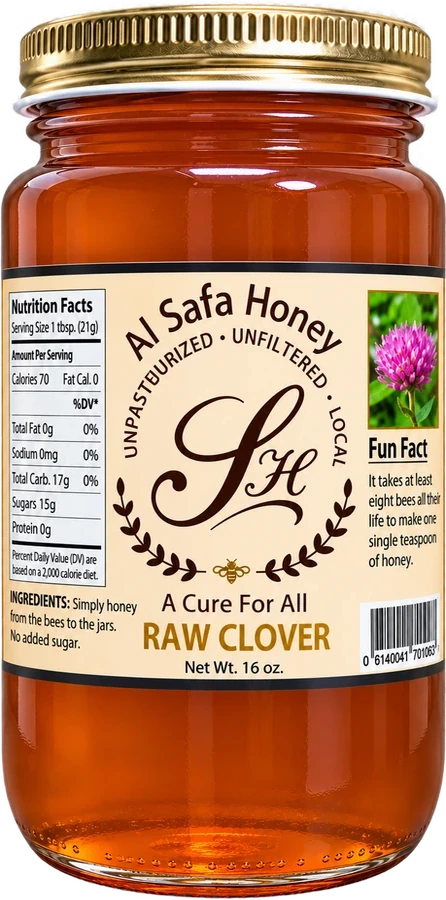
The honey in every Al Safa jar comes from honey bees managed by our partner farm. Taste Raw Wildflower Honey and Raw Clover Honey, harvested in New York State.
The takeaway on native bees vs honey bees
Native bees vs honey bees: one managed honey maker brought from Europe compared with thousands of mostly solitary native species. Both pollinate our food. Native bees need flowers and nesting habitat; honey bees need flowers and beekeepers.
Celebrate the honey bee
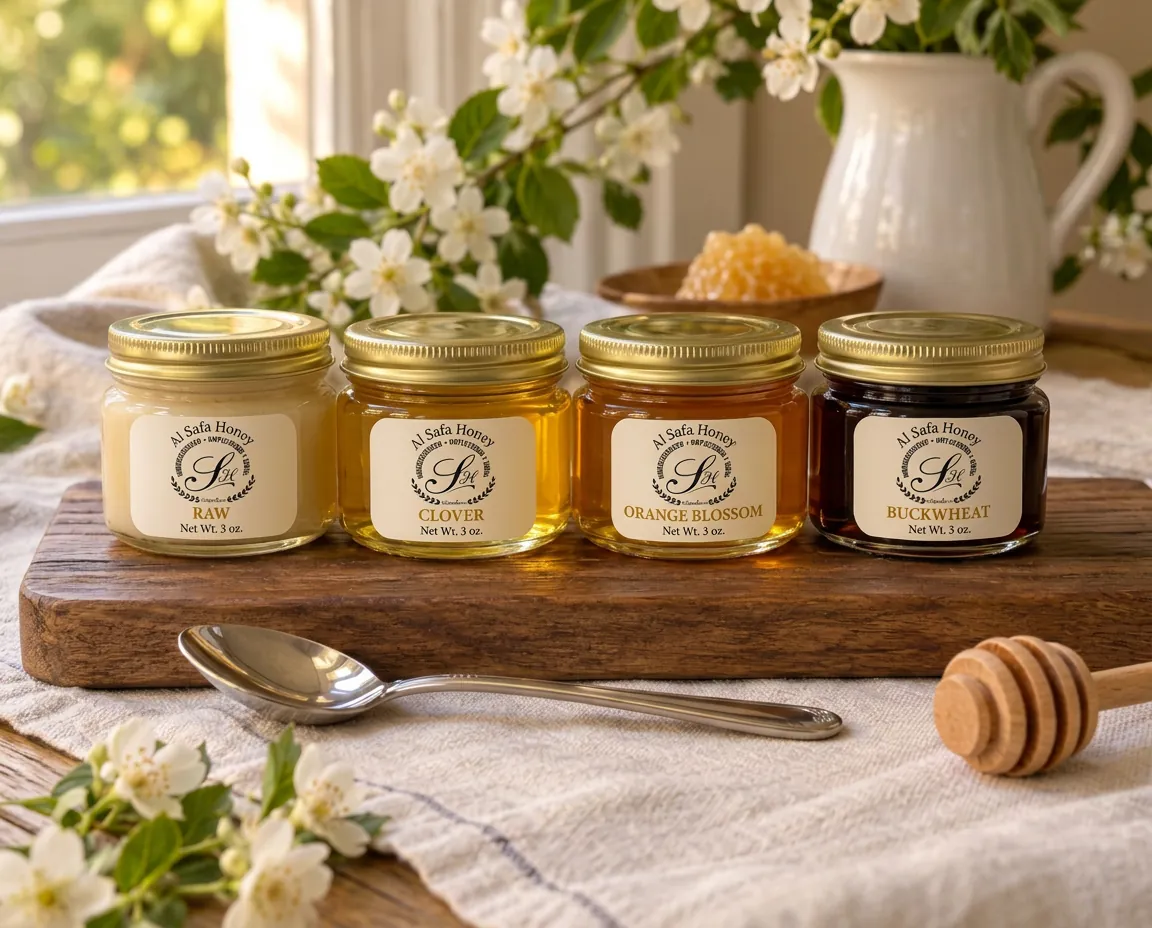
Enjoy the work of honey bees with the Pure Raw Honey Sampler. Save with a 3 jar or 6 jar pack of any honey, and orders over $50 ship free. Visit our shop.
Sources
Outside health sources we used for this article. They open in a new tab.
- More than 4,000 native bee species inhabit the United States · U.S. Geological Survey
- Bee Basics: An Introduction to Our Native Bees · USDA Forest Service and Pollinator Partnership
- Pollinators Benefit Agriculture · U.S. Fish and Wildlife Service
Frequently asked questions
- Are honey bees native to the U.S.?
- No. They were brought from Europe in the 1600s.
- How many native bee species are in the U.S.?
- About 4,000.
- Do native bees make honey?
- Most do not; bumble bees store small amounts.
- Where do native bees nest?
- About 70 percent nest in the ground; others in stems or wood.
- Which bees pollinate tomatoes best?
- Bumble bees, through buzz pollination.
- Do honey bees compete with native bees?
- They can in some places; research is ongoing.
- How can I help native bees?
- Plant native flowers and leave bare soil and stems for nesting.
Al Safa Honey is a food producer, not a medical provider. Nothing here is medical advice, and these statements have not been evaluated by the Food and Drug Administration. Talk to your doctor about any health concern. Never give honey of any kind to a baby under 12 months old.