Does Buying Honey Help Bees? An Honest Look
Many shoppers wonder, does buying honey help bees? The honest answer is: it helps honey bees and the beekeepers who care for them, but it does not directly help the thousands of native bee species that face the biggest habitat losses. Buying honey keeps beekeeping businesses running, which pays for mite management, colony replacement and pollination services that farms rely on. But protecting all bees also takes flowers, habitat and careful pesticide use. This article explains how honey sales support beekeeping, the difference between honey bees and native bees, what to look for when buying honey, and other ways to help. For more about pollination, see honey bee pollination.
For general education only, not medical advice. Our honey is a food and is not intended to diagnose, treat, cure or prevent any disease.
How honey sales support beekeeping
Beekeeping is expensive. Colonies need mite treatments, feeding in lean seasons, equipment and replacement after winter losses. Honey sales help fund that care. The USDA Economic Research Service found that by 2016, pollination fees slightly exceeded honey as a share of beekeeper revenue, so both income streams matter. Without honey sales, fewer beekeepers would be able to stay in business.
Honey bees are not endangered
Honey bees are a managed species, much like livestock. When colonies die, beekeepers split strong hives or buy new queens and bees to rebuild. U.S. colony numbers have stayed relatively steady over the long term because of this work, even with high annual losses. So buying honey supports the people who keep honey bee numbers up.
Native bees need different help
The U.S. Geological Survey notes the U.S. has more than 4,000 native bee species, and some are declining. Most live alone, nest in the ground or in hollow stems, and make no honey to sell. They need diverse flowers, undisturbed soil and nesting sites. Buying honey does not directly help them.
| Bee type | Managed? | What helps most |
|---|---|---|
| Honey bees | Yes, by beekeepers | Supporting beekeepers, forage, mite care |
| Bumble bees | Mostly wild | Flowers, nesting habitat, fewer pesticides |
| Solitary native bees | Wild | Bare soil, stems, native plants |
What to look for when buying honey
Choose honey with clear labeling about where it was harvested and what it contains. Raw, single-origin honey from known farms tends to be more traceable than anonymous blends. Our honey labels explained guide breaks down common terms. Our how to tell if honey is real guide covers authenticity concerns.
- Clear country or state of origin
- Named floral source if possible
- Raw or minimally processed
- A real company or farm behind it
Honey fraud and fair prices
Cheap imported honey that is blended or adulterated with syrups undercuts honest beekeepers. Paying a fair price for traceable honey helps keep beekeepers in business. Our raw honey price guide explains why quality honey costs what it does.
Other ways to help all bees
Plant flowers that bloom from early spring to late fall, especially native plants. Let clover and other small flowers bloom in part of your lawn. Leave some bare ground and dead stems for nesting. Avoid spraying pesticides on open flowers. Provide a shallow water dish with pebbles. Our article on bee friendly lawn ideas has more.
Support research and policy
Universities and government agencies study bee health, mites and pesticides. Supporting pollinator research, participating in community science bee counts and backing local habitat projects can make a real difference.
Honey and the vegan question
Some people avoid honey for ethical reasons, while others feel responsible beekeeping is compatible with their values. Our is honey vegan guide explains the perspectives. Either way, planting flowers helps bees.
Pollination helps farms you eat from
Supporting beekeepers also supports the farms that rely on them. The U.S. Fish and Wildlife Service estimates insect pollination adds over $34 billion a year to U.S. crops.
Where Al Safa honey comes from
Al Safa does not keep its own hives. We buy raw honey from a partner farm whose beekeepers manage the colonies, so your purchase supports that work. Our honeys are harvested in New York State, except Knotweed from North Dakota and Orange Blossom from Florida.
The bottom line
Buying honey is one good way to support honey bees and beekeepers, but it is not a complete answer for bee conservation. Combine buying honey with planting flowers and protecting habitat to help all bees.
Choose traceable raw honey
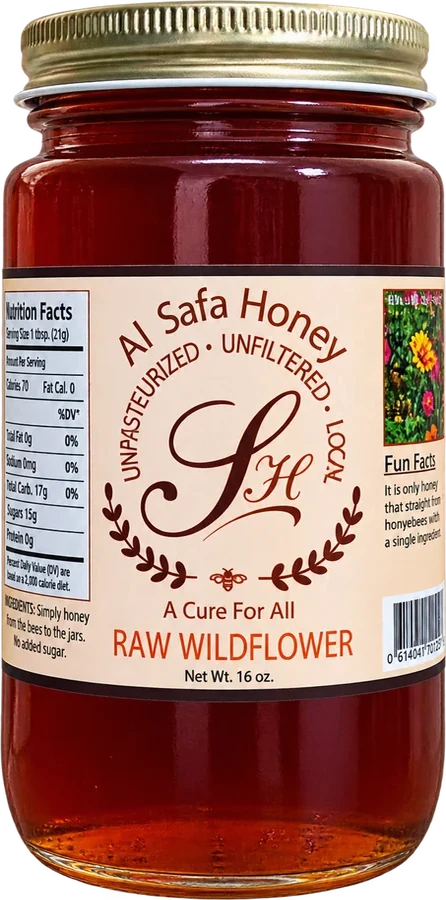
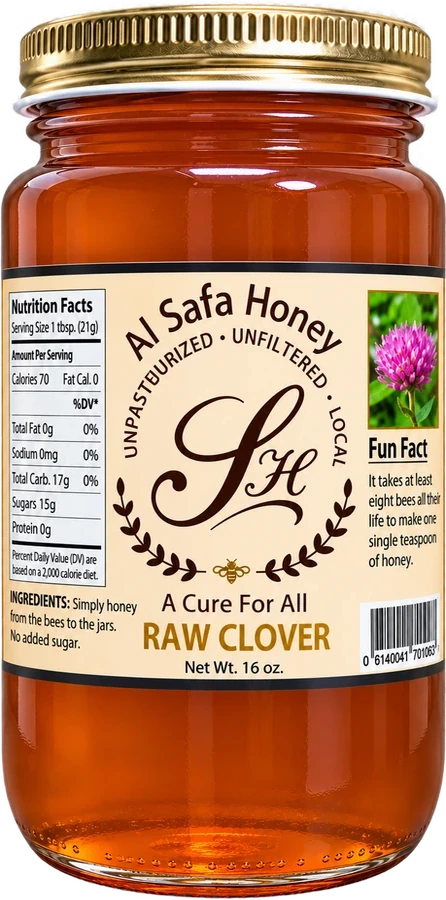
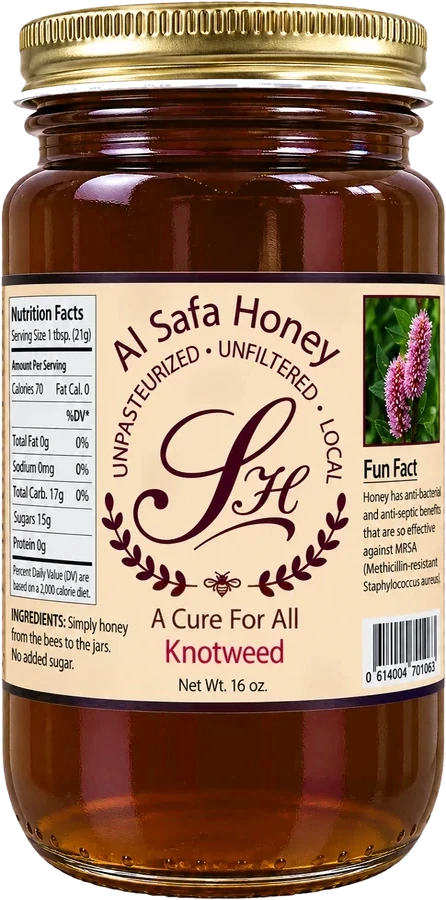
Try Raw Wildflower Honey and Raw Clover Honey, harvested in New York State, or Raw Knotweed Honey from North Dakota.
The takeaway on does buying honey help bees
Does buying honey help bees? Yes for honey bees and beekeepers, but native bees need flowers and habitat. Buy traceable honey and plant for pollinators too.
Questions to ask a honey seller
If you want to know whether buying honey helps bees in a specific case, ask the seller a few questions. Where was the honey harvested? Who keeps the bees? Is it a single origin or a blend? Is it raw, filtered or heated? An honest seller can answer clearly. Vague answers, unusually low prices and missing origin details are reasons to look elsewhere.
Small steps add up
One jar of honey will not change the fate of bees, and neither will one flower bed. But millions of shoppers choosing traceable honey and millions of yards adding flowers make a real difference for both honey bees and native bees.
Support beekeeping with every jar
Save with a 3 jar or 6 jar pack of any honey, and orders over $50 ship free. Visit our shop.
Sources
Outside health sources we used for this article. They open in a new tab.
- Driven by Almonds, Pollination Services Now Exceed Honey as a Source of Beekeeper Revenue · USDA Economic Research Service
- More than 4,000 native bee species inhabit the United States · U.S. Geological Survey
- Pollinators Benefit Agriculture · U.S. Fish and Wildlife Service
Frequently asked questions
- Does buying honey help bees?
- It helps honey bees and beekeepers, but native bees need habitat.
- Are honey bees endangered?
- No. They are managed by beekeepers who rebuild lost colonies.
- Which bees are declining?
- Some of the 4,000 native bee species in the U.S.
- How do beekeepers make money?
- From honey sales and pollination fees.
- What honey should I buy to support beekeepers?
- Traceable, clearly labeled raw honey.
- How else can I help bees?
- Plant flowers, leave nesting spots and avoid spraying blooms.
- Does Al Safa have its own hives?
- No. We source from a partner farm.
Al Safa Honey is a food producer, not a medical provider. Nothing here is medical advice, and these statements have not been evaluated by the Food and Drug Administration. Talk to your doctor about any health concern. Never give honey of any kind to a baby under 12 months old.