Bee Friendly Lawn: How to Turn Grass Into Pollinator Habitat
A bee friendly lawn looks a little different from a perfect green carpet. It mixes grass with low-growing flowers like white clover, creeping thyme and self-heal, and it is mowed higher and less often so those flowers can bloom. Research from the University of Minnesota found that lawns with white clover supported dozens of bee species. You do not need to tear out your lawn to help pollinators; small changes make a big difference. This article covers what a bee lawn is, which plants to use, mowing and care, how to convert an existing lawn and tips for neighbors and HOAs. For more ways to help, see does buying honey help bees.
For general education only, not medical advice. Our honey is a food and is not intended to diagnose, treat, cure or prevent any disease.
What is a bee lawn
A bee lawn is a turf lawn blended with low-growing flowering plants that can survive mowing and foot traffic, then bloom again. Penn State Extension describes bee lawns as turf grasses mixed with low-growing perennials that rebloom after mowing, and notes that a University of Minnesota study found Dutch white clover supported at least 55 bee species.
Best plants for a bee friendly lawn
These low growers tolerate mowing and feed bees:
| Plant | Bloom | Notes |
|---|---|---|
| Dutch white clover | Late spring to summer | Fixes nitrogen; stays green |
| Creeping thyme | Early summer | Drought tolerant; fragrant |
| Self-heal (Prunella) | Summer | Purple flowers; native varieties exist |
| Ground plum or violets | Spring | Early food for bees |
| Fine fescues | Grass | Low-growing, low-input base |
Mow higher and less often
Penn State Extension recommends keeping a bee lawn at four inches or higher and moving to roughly a two-week mowing schedule. Taller grass shades out some weeds, holds moisture and lets clover and thyme flower. If you mow while flowers are open, mow in the evening or early morning when fewer bees are foraging.
- Mow at 4 inches or higher
- Mow every two weeks or less
- Mow at dawn or dusk
- Leave clippings to feed soil
Converting an existing lawn
In late summer or early fall, mow short, rake vigorously or core aerate to expose soil, then broadcast a bee lawn seed mix or white clover seed. Water lightly and keep moist until seedlings establish. Spring overseeding works too. Over a couple of seasons, flowers fill in among the grass.
Skip the chemicals
Broadleaf herbicides kill clover and other flowers, and many insecticides harm bees. Lawn care programs that apply weed-and-feed products work against a bee lawn. If you must treat a problem, spot-treat when plants are not in bloom and follow the label exactly.
Leave space for nesting
About 70 percent of native bees nest in the ground. Leave a few sunny patches of bare, undisturbed soil at the lawn's edge. Leave some hollow plant stems standing over winter for stem-nesting bees. These small spaces make your yard a home, not just a restaurant.
Pair the lawn with flower beds
A bee lawn works best alongside beds of taller flowers that bloom from spring to fall. Try crocus and willow in early spring, fruit trees and dandelions in spring, bee balm, coneflower and lavender in summer, and goldenrod and asters in fall. Our plants for honey bees guide has more choices.
Water and shelter
Put out a shallow dish of water with pebbles so bees can land and drink. Shrubs and hedges provide wind shelter and sometimes nesting sites.
Stings and kids
Bees foraging on flowers are generally focused on food and rarely sting unless stepped on or swatted. In play areas, mow clover before it blooms, or keep the bee lawn in less-used parts of the yard. Wear shoes on blooming lawns. Anyone with a bee sting allergy should carry their prescribed medication.
Neighbors and HOAs
Some neighborhoods have rules about lawn height. A tidy mowed edge, a small sign saying this is a pollinator lawn, and clear paths make a bee lawn look intentional. Several states and cities have begun supporting bee lawns; check local programs.
The bigger picture
The U.S. has about 4,000 native bee species, and some are declining due to habitat loss. Lawns cover tens of millions of acres. Turning even a portion of them into flowering habitat could provide a lot of food for bees.
Taste what flowers make
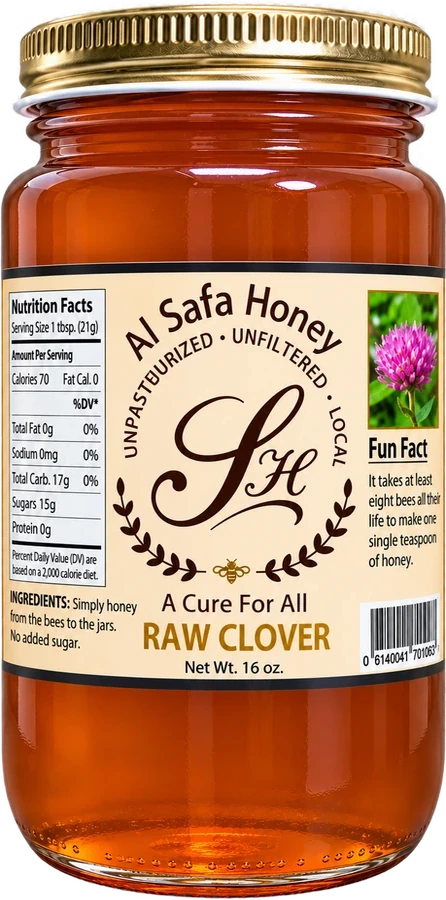
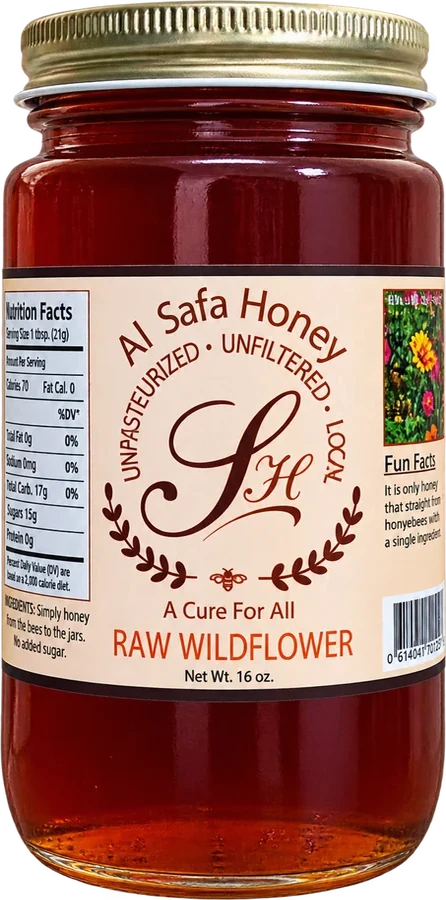
Clover is one of the classic honey plants of the Northeast. Taste it in Raw Clover Honey, harvested in New York State, or the mixed blooms in Raw Wildflower Honey.
Seasonal plan
Spring: leave early dandelions and violets, raise mowing height. Summer: mow every two weeks, water deeply during drought. Fall: overseed with clover and thyme, leave leaves in beds. Winter: leave stems standing and plan next year's flowers.
The takeaway on bee friendly lawn
A bee friendly lawn mixes grass with clover and other low flowers, is mowed higher and less often, and skips chemicals. Add flower beds, water and nesting spots to support bees all season.
Common bee friendly lawn mistakes
Mowing flowers right before they open, using weed-and-feed in spring, and planting tall meadow seed mixes where a lawn is expected are the most common slip-ups. Tall mixes can look messy and draw complaints. Keep a bee friendly lawn low and tidy, and save tall wildflowers for beds and borders.
Celebrate clover
Enjoy Raw Clover Honey while your lawn blooms. Save with a 3 jar or 6 jar pack of any honey, and orders over $50 ship free. Visit our shop.
Sources
Outside health sources we used for this article. They open in a new tab.
- The Buzz About Bee Lawns · Penn State Extension
- More than 4,000 native bee species inhabit the United States · U.S. Geological Survey
- Bee Basics: An Introduction to Our Native Bees · USDA Forest Service and Pollinator Partnership
Frequently asked questions
- What is a bee friendly lawn?
- Turf mixed with low flowering plants like clover, mowed higher and less often.
- What plants make a bee lawn?
- Dutch white clover, creeping thyme and self-heal.
- How high should I mow a bee lawn?
- Four inches or higher.
- How often should I mow?
- About every two weeks.
- Will a bee lawn cause more stings?
- Foraging bees rarely sting; wear shoes on blooming lawns.
- When should I overseed with clover?
- Late summer, early fall or spring.
- How do I help ground-nesting bees?
- Leave sunny patches of bare, undisturbed soil.
Al Safa Honey is a food producer, not a medical provider. Nothing here is medical advice, and these statements have not been evaluated by the Food and Drug Administration. Talk to your doctor about any health concern. Never give honey of any kind to a baby under 12 months old.