Plants for Honey Bees: What to Grow From Spring to Fall
Plants for honey bees do not need to be rare or fancy. Honey bees thrive when there is a steady supply of nectar and pollen from early spring to late fall, and many common trees, herbs and flowers provide it. This guide lists good plants by season, explains what makes a plant bee-friendly, and gives simple tips for gardens, yards and even balconies.
What makes a plant good for honey bees
Honey bees need nectar for energy, which becomes honey, and pollen for protein to raise young. The best bee plants offer plenty of both and are easy for bees to reach. Simple, single flowers usually work better than double flowers bred for extra petals, which can hide nectar and pollen. Bees also find large clumps of one plant more efficiently than scattered single plants.
- Plant for continuous bloom from early spring to late fall.
- Plant in groups at least a few feet across.
- Choose single, open flowers over showy doubles.
- Include native plants that suit your region.
- Skip pesticide sprays on open blooms.
Plants for honey bees by season
| Season | Trees and shrubs | Flowers and herbs |
|---|---|---|
| Early spring | Willow, red maple, crabapple, cherry | Crocus, dandelion, snowdrop |
| Late spring | Apple, black locust, serviceberry | Clover, chives, catmint, borage |
| Early summer | Basswood (linden), sumac | Lavender, thyme, oregano, salvia |
| Mid summer | Bee bee tree | Sunflower, bee balm, echinacea, buckwheat |
| Late summer and fall | Seven-son flower | Goldenrod, asters, sedum, anise hyssop |
Early spring: the hungriest time
Early spring blooms are vital because colonies are expanding fast and their winter stores are running low. Willow catkins and red maple provide some of the first pollen in the Northeast. Dandelions, often seen as lawn weeds, are an important early food; leaving them to flower before mowing helps bees. Fruit trees like apple and cherry follow, and their bloom is also when growers rely on bees for pollination.
Summer: the main honey flow
Summer is when most honey is made. In New York, clovers, basswood trees, sumac and wildflowers provide big nectar flows. In the garden, herbs like lavender, thyme, oregano and mint are bee magnets when allowed to flower, and sunflowers, bee balm and echinacea add color. See basswood honey, clover honey and sunflower honey.
Fall: stocking up for winter
Late-season flowers help colonies build the honey stores they need for winter. Goldenrod and asters are the stars of the Northeast fall; see goldenrod honey. Sedum, anise hyssop and late-blooming herbs help too. Japanese knotweed, an invasive plant, is also a big late-summer nectar source in some areas, but gardeners should not plant it.
Small spaces and lawns
Even a balcony can help. Pots of thyme, oregano, lavender, chives or salvia will be visited by bees in a sunny spot. In a lawn, letting clover and dandelions bloom, and mowing a little less often, adds a lot of food. Provide a shallow dish of water with stones so bees can drink without drowning.
In cities, gardens make a real difference to urban beekeepers; see beekeeping in NYC.
Taste the flowers in honey
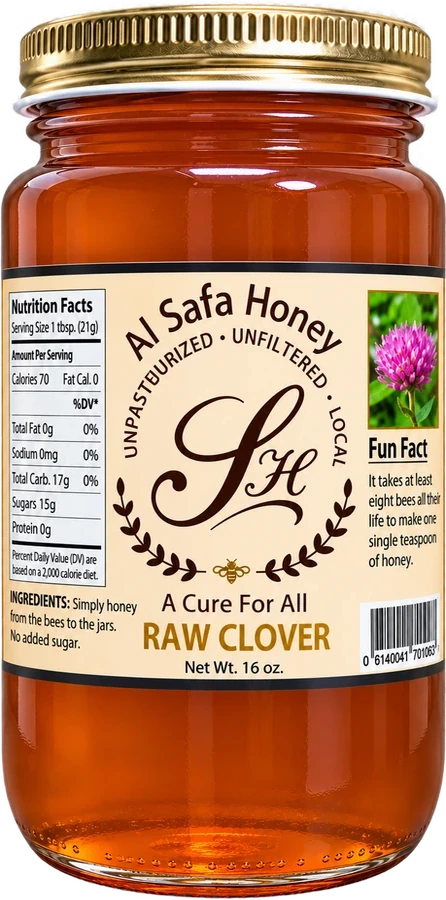
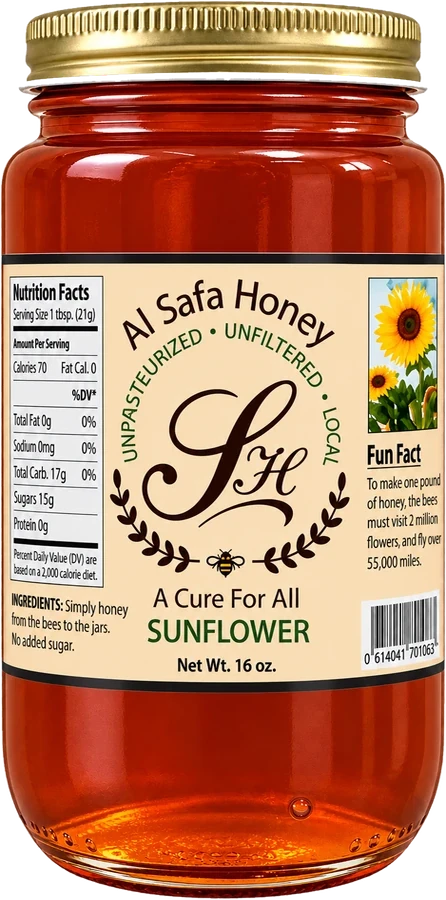
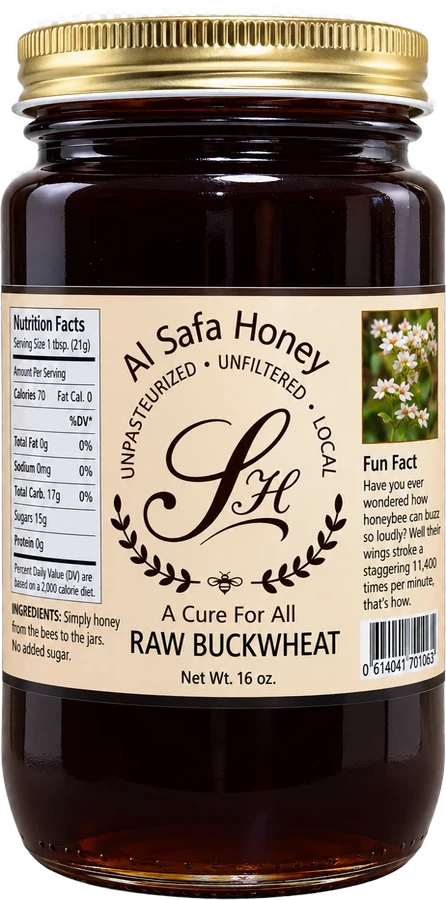
Each of these plants shapes the honey bees make from it. Taste the difference with our single-origin jars: Clover from summer fields, Sunflower and fall Buckwheat, all harvested in New York State. See national honey month for more ways to celebrate bees.
Frequently asked questions
- What flowers do honey bees like most?
- Open, nectar-rich flowers such as clover, lavender, thyme, borage, catmint, sunflower, goldenrod and asters.
- What trees are best for honey bees?
- Willow and maple in early spring, fruit trees and black locust in late spring, and basswood (linden) in summer.
- Are dandelions good for bees?
- Yes. They are an important early-spring source of pollen and nectar.
- Can I help bees on a balcony?
- Yes. Pots of flowering herbs such as thyme, oregano, chives and lavender in a sunny spot are visited by bees.
Al Safa Honey is a food producer, not a medical provider. Nothing here is medical advice. Never give honey of any kind to a baby under 12 months old.