Beekeeping in NYC: Rules, Rooftop Hives and How City Bees Thrive
Beekeeping in NYC has been legal since 2010, and today honey bee hives sit on rooftops, in community gardens and in backyards across all five boroughs. City bees forage on street trees, parks and gardens and make surprisingly good honey. This guide covers the rules, what rooftop beekeeping involves, how to get started, and what makes New York City honey distinctive.
The rules
Before 2010, honey bees were on New York City's list of banned animals alongside venomous snakes and other wild animals. In March 2010, the city's Board of Health voted to remove the ban on honey bees, the species Apis mellifera, while keeping it for other bees and wasps. Beekeepers are required to register their hives with the Department of Health and Mental Hygiene and to keep them in a way that does not create a nuisance.
Rules can change, so check the latest guidance from the city health department and building management before setting up a hive. Landlords, co-op boards and community garden committees often have their own requirements.
Where city bees forage
Bees forage within a few miles of their hive, and New York City offers more food than many people expect. Street trees like linden (basswood), honey locust and tree of heaven bloom in summer, and parks, cemeteries, green roofs, community gardens and backyards add clover, wildflowers and garden plants. Rooftop hives near big parks such as Central Park, Prospect Park or Flushing Meadows have especially rich forage. See basswood honey and plants for honey bees.
Rooftop beekeeping
Rooftops are popular because they keep bees away from people at street level. They come with challenges: strong winds, summer heat on dark roofs, and the work of carrying equipment and honey up and down stairs. Beekeepers anchor hives against wind, provide shade and a water source, and make sure the roof can safely bear the weight. Many hotels, restaurants and office buildings host rooftop hives.
- Get permission from the building owner and check roof access and weight limits.
- Register the hive with the city health department.
- Secure hives against wind and provide water nearby.
- Place hives so bees fly up and away from neighbors.
- Plan how you will carry equipment and honey safely.
Swarms in the city
In spring, healthy colonies can swarm, when a queen leaves with thousands of bees to find a new home. In the city, a swarm hanging from a street sign or car can make the news. Swarming bees are usually calm because they have no hive to defend. The NYPD has had officers trained to collect swarms safely, and local beekeeping groups help too. Good management, such as giving colonies space, reduces swarming.
How to start beekeeping in NYC
Begin by taking a beginner course from a local beekeeping association or a city program, and spend time with an experienced beekeeper before getting your own bees. Find a legal site, register your hive, and order bees in winter for spring delivery. Budget for a hive, protective gear, tools and mite treatment. Expect your first year to be about learning more than harvesting; see what is an apiary.
What NYC honey tastes like
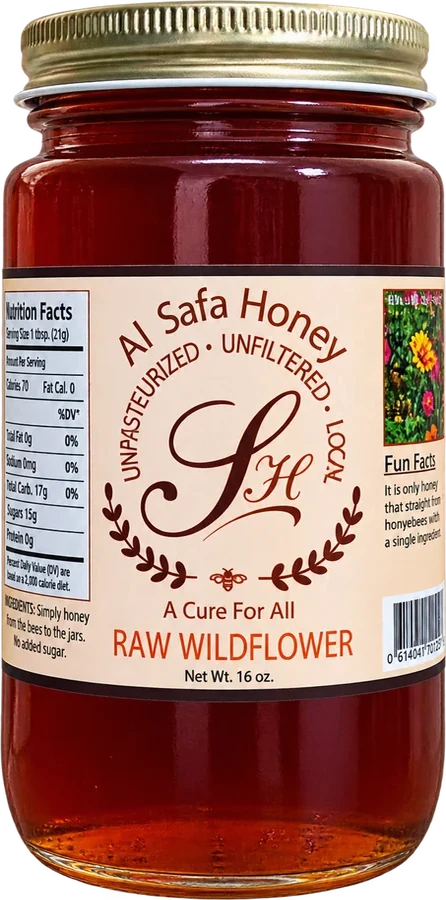
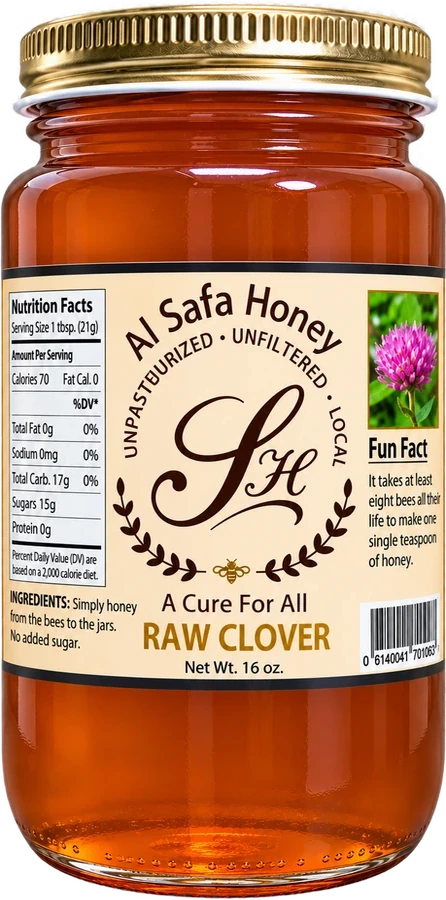
City honey varies by neighborhood and season. Summer honey from linden-lined streets can be pale and minty; late-season honey may be darker from knotweed and other fall plants. Because the forage is so mixed, it is usually a wildflower-style honey. For honey from the wider state, try our Wildflower honey or Clover honey, harvested in New York State by partner beekeepers, or read our New York honey guide.
Sources
- Beekeeping is now legal in the Big Apple · The Christian Science Monitor
Frequently asked questions
- Is beekeeping legal in NYC?
- Yes. Keeping honey bees has been legal in New York City since March 2010.
- Do I need to register my hive in NYC?
- Yes. Beekeepers must register hives with the city health department.
- Where do NYC bees find flowers?
- Street trees like linden, parks, community gardens, green roofs and backyards.
- Can I keep bees on my roof in New York City?
- Often yes, with the building owner's permission, safe roof access and a registered hive.
Al Safa Honey is a food producer, not a medical provider. Nothing here is medical advice. Never give honey of any kind to a baby under 12 months old.