Goldenrod Honey: The Taste, Smell and Story of Fall Honey
Goldenrod honey is the classic fall honey of the eastern United States. When fields and roadsides turn yellow in late August and September, bees work goldenrod hard, and the honey they make is golden, rich and quick to crystallize. It also comes with one famous quirk: a hive full of curing goldenrod nectar smells, to put it kindly, unusual. This guide covers its flavor, the smell, the harvest and how to use it.
What is goldenrod?
Goldenrod is a group of native North American wildflowers in the genus Solidago, with plumes of small yellow flowers on tall stems. It grows in old fields, meadows, ditches and roadsides from the East Coast to the Midwest, and it is one of the last big nectar sources of the year for bees before frost.
Because it blooms alongside aster and, in some places, knotweed, pure goldenrod honey is uncommon. Most fall honeys in the Northeast are a blend in which goldenrod leads. Beekeepers often sell it as fall wildflower honey.
What does goldenrod honey taste like?
Goldenrod honey is deep gold, thicker than summer honeys, with a buttery, full sweetness and a faintly spicy or herbal finish. Some people taste a hint of anise or tea. It is bolder than clover but much gentler than buckwheat, which makes it a good honey for people who want something richer without the molasses notes. Our honey flavors guide puts it in context.
Why do hives smell during the goldenrod flow?
Beekeepers in the East often notice a strong, sour smell around their hives in September, sometimes described as dirty socks or wet gym clothes. New beekeepers sometimes worry something is wrong. Usually it is the goldenrod nectar being dried and cured inside the hive.
The smell fades once the nectar becomes honey. Finished goldenrod honey has a pleasant, floral aroma, and the odd smell does not carry into the jar.
Goldenrod honey crystallizes fast
Goldenrod honey is high in glucose, the sugar that crystallizes, so it often sets within a few weeks of harvest. The crystals are fine, which gives a smooth, creamy texture rather than grit. Many people prefer it that way because it spreads like butter. If you want it liquid, warm the jar gently in warm water; our crystallized honey guide explains how.
Goldenrod and fall allergies
Goldenrod is often blamed for late-summer hay fever because it is so visible. Its pollen, however, is heavy and sticky and carried mostly by insects, not the wind. Ragweed, which blooms at the same time and spreads light pollen on the wind, is the usual trigger for fall allergy symptoms. That distinction is about pollen in the air, not about eating honey.
How to use goldenrod honey
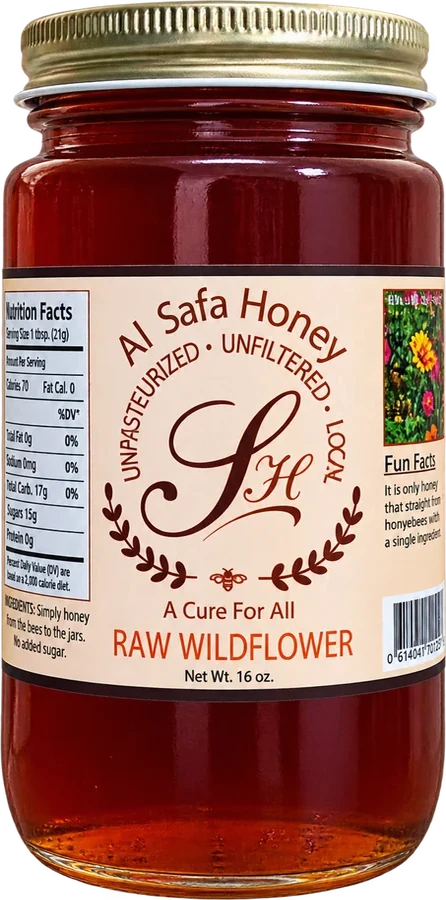
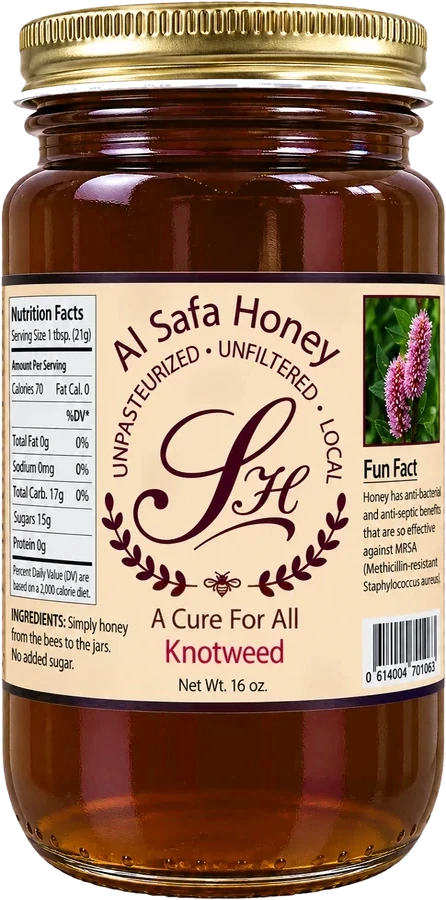
Because it sets so smoothly, goldenrod honey is ideal on toast, biscuits and scones. Its fuller flavor suits apple desserts, pumpkin bread, oatmeal and sharp cheddar. Our closest jars are our fall honeys: Pure Raw Wildflower Honey, whose fall harvests often include goldenrod and aster, and Pure Raw Knotweed Honey, another late-season honey with deeper, herbal notes.
Goldenrod honey vs other fall honeys
Several honeys come from the same late-season window, and they are easy to confuse. Aster honey, often harvested with goldenrod, is lighter and crystallizes even faster, sometimes in the comb. Knotweed honey is darker, with a herbal, resin-like depth closer to buckwheat. Buckwheat itself is the darkest and most malty of the group. Goldenrod sits in the middle: golden, buttery and spicy.
| Fall honey | Color | Flavor | Crystallizes |
|---|---|---|---|
| Goldenrod | Deep gold | Buttery, gently spicy | Fast, fine and smooth |
| Aster | Light gold | Mild, floral | Very fast |
| Knotweed | Dark amber | Herbal, resin-like | Moderate |
| Buckwheat | Near black | Malty, molasses-like | Coarse paste over time |
Why goldenrod matters to bees
For honey bees in the Northeast and Midwest, goldenrod is one of the most important flowers of the year. It blooms after most summer flowers have faded, and it provides both nectar and protein-rich pollen just as colonies are raising the long-lived winter bees that will carry them to spring. Many beekeepers think of a strong goldenrod flow as winter insurance. That is also why plenty of goldenrod honey stays in the hive rather than going into jars. See plants for honey bees.
Frequently asked questions
- Is goldenrod honey good?
- Many people love it. It is rich, buttery and gently spicy, and it sets into a smooth spread. It is bolder than clover but much milder than buckwheat.
- Why does goldenrod honey smell bad?
- The nectar smells sour while bees are curing it in the hive. The finished honey does not keep that smell and has a pleasant floral aroma.
- When is goldenrod honey harvested?
- Goldenrod blooms from late August through September in most of the eastern US, so its honey is usually harvested in September or early October.
- Does goldenrod honey crystallize?
- Yes, quickly, often within weeks. The crystals are fine, so it becomes smooth and creamy rather than grainy.
Al Safa Honey is a food producer, not a medical provider. Nothing here is medical advice. Never give honey of any kind to a baby under 12 months old.