When Is Honey Harvested? The Honey Season Month by Month
When is honey harvested? In most of the northern United States, beekeepers take honey from mid-summer through early fall, after the big blooms have filled the hives. But the exact timing depends on the flowers, the weather and the region, and the season you buy from changes what is in the jar. This guide explains how beekeepers decide honey is ready and walks through the honey calendar.
How beekeepers know honey is ready
Nectar starts out mostly water. Bees fan it with their wings and add enzymes until it thickens into honey, then they seal each cell with a thin wax cap. Capped honey is ripe honey: dry enough, at roughly 17 to 18 percent moisture, that it will not ferment. Most beekeepers wait until a frame is at least 80 to 90 percent capped before taking it.
Some beekeepers also check with a refractometer, a small tool that measures moisture from a single drop. Honey taken too early can be too wet and spoil in the jar, so patience matters more than speed.
Beekeepers also leave enough honey for the bees. A colony in the North needs a good store of honey to survive winter, so the fall harvest is always a balance between the jar and the hive. See what bees do in winter.
The honey harvest calendar
Bloom times shift a week or two each year with the weather, but this is the general pattern in the eastern United States.
| Months | What is blooming | Honey it can produce |
|---|---|---|
| March to April (South) | Orange and other citrus | Orange blossom honey (Florida) |
| April to May (South) | Tupelo trees | Tupelo honey (Florida and Georgia rivers) |
| May to June (North) | Fruit trees, blueberry, dandelion | Spring wildflower, blueberry blossom |
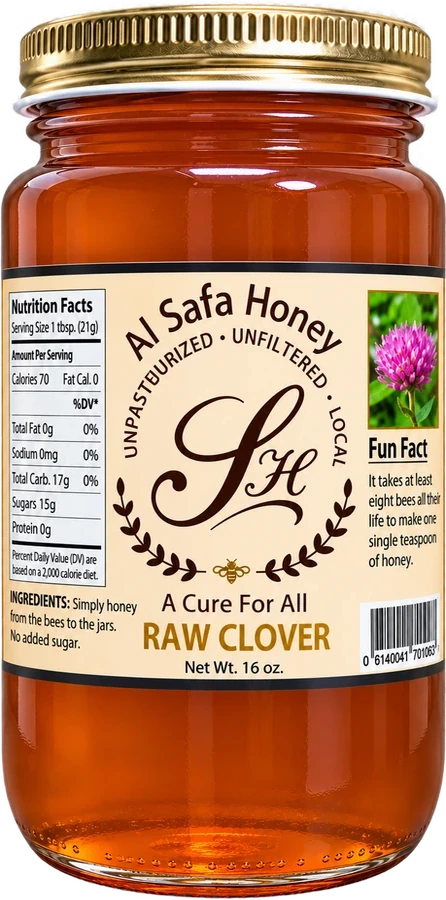
| June to July (North) | White clover, basswood | Clover honey, basswood honey |
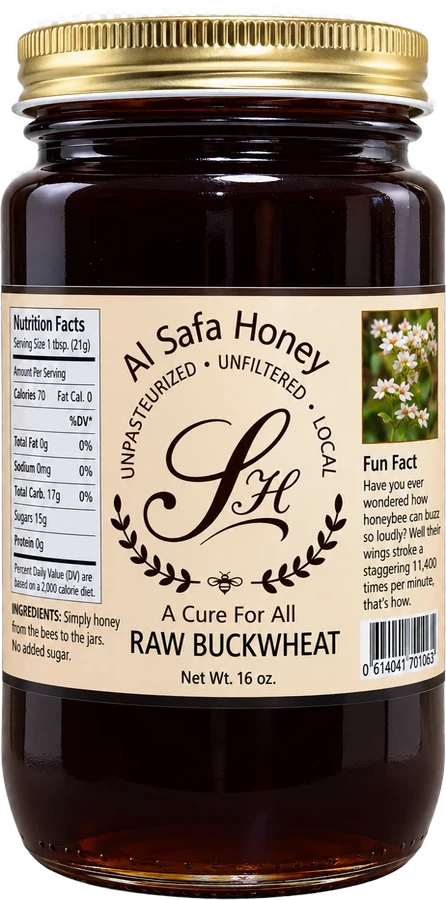
| July to August (North) | Sunflower, buckwheat, alfalfa | Sunflower, buckwheat honey |
| August to September (North) | Goldenrod, aster, knotweed | Fall wildflower, goldenrod, knotweed honey |
When honey is harvested in New York
New York beekeepers usually pull a first harvest in July, after the clover and spring flows, and a second in late August or September, after buckwheat, goldenrod and aster. The summer harvest tends to be lighter in color and gentler in flavor; the fall harvest is darker and bolder. That is why our New York honey guide describes clover as a summer honey and buckwheat as a late-season one.
New York is a meaningful honey state. The USDA counted 52,000 honey-producing colonies in New York in 2025, producing about 2.9 million pounds, with an average yield of 56 pounds per colony.
Why the harvest season changes the flavor
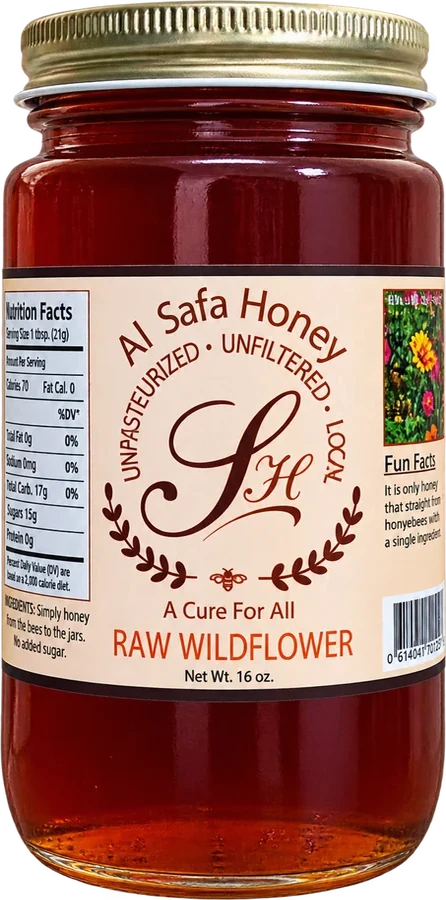
A beekeeper who harvests often, right after each bloom, can keep different honeys separate. That is how single-flower honeys like clover or buckwheat are made. A beekeeper who harvests once at the end of summer gets a mix of everything that bloomed, which is wildflower honey. Neither is better, just different. Our guide to monofloral honey covers single-source honeys in more depth.
Fall honeys also crystallize faster as a rule, especially goldenrod and aster, because they carry more glucose. If your fall jar turns solid in a few weeks, it is behaving normally.
Is fresh honey better?
Honey does not have a short season of freshness like fruit. Stored sealed and away from heat, it keeps for years. The best reason to pay attention to harvest season is flavor: a spring jar and a fall jar from the same region can taste like two different foods, and tasting them side by side is one of the pleasures of raw honey.
What a harvest day looks like
On harvest day a beekeeper opens the hive, checks the upper boxes, called supers, and lifts out frames that are mostly capped. The bees are gently cleared off with a soft brush, a fume board or a one-way escape board placed the day before. The frames go to a clean honey house, where the caps are sliced off and the frames are spun in an extractor.
Good beekeepers take only surplus honey, the extra the colony stored above what it needs. The honey in the lower boxes, where the queen lays eggs, stays with the bees. After the fall harvest, many northern beekeepers check that each hive is heavy enough to make it through winter. Our cold extracted honey guide covers what happens after the frames leave the hive.
Sources
- Honey report, March 2026 (2025 production by state) · USDA National Agricultural Statistics Service
Frequently asked questions
- What month is honey harvested?
- In the northern US, mostly July through September. In the South, harvests can start in April with citrus and tupelo honey.
- How many times a year is honey harvested?
- Usually one to three times, depending on the region and how many strong blooms there are. Many northern beekeepers harvest twice: once in summer and once in early fall.
- Can honey be harvested in winter?
- Generally no. In winter the bees need their stored honey to survive, so beekeepers leave it in the hive.
- What does capped honey mean?
- Capped honey is honey that bees have sealed in the comb with a wax lid once it has dried enough to keep. It is the main sign that honey is ready to harvest.
- How much honey does one hive produce in a year?
- It varies widely with weather and location. USDA figures put the US average at about 48 pounds per colony in 2025, with New York colonies averaging 56 pounds.
Al Safa Honey is a food producer, not a medical provider. Nothing here is medical advice. Never give honey of any kind to a baby under 12 months old.