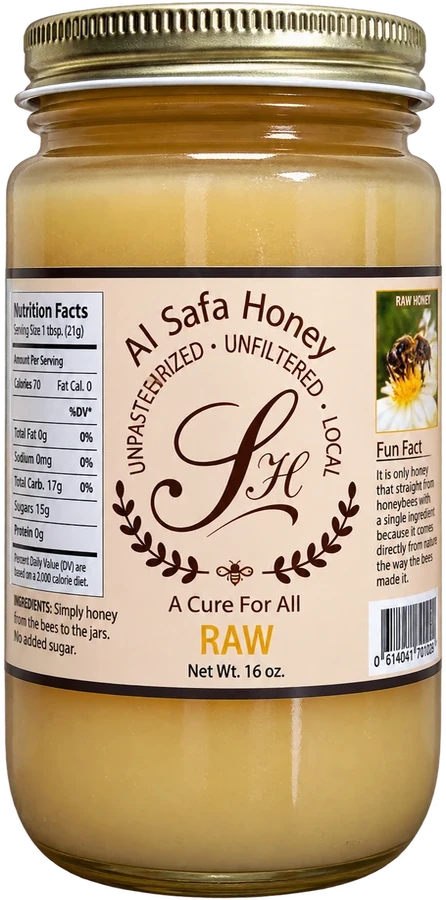
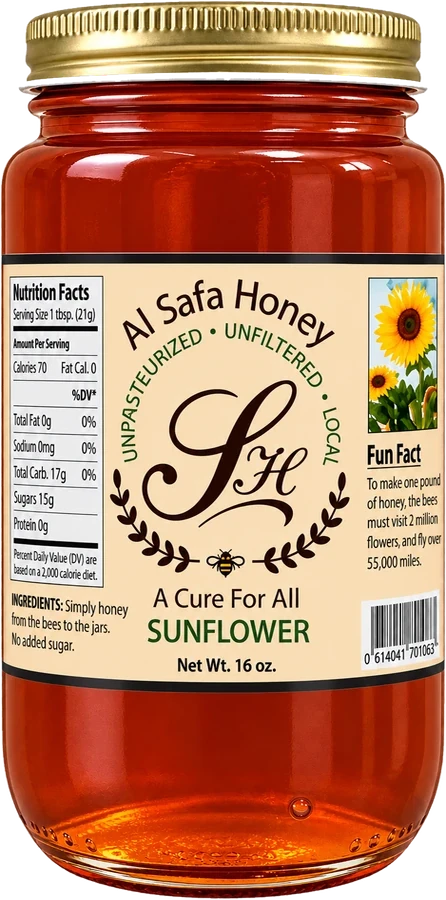
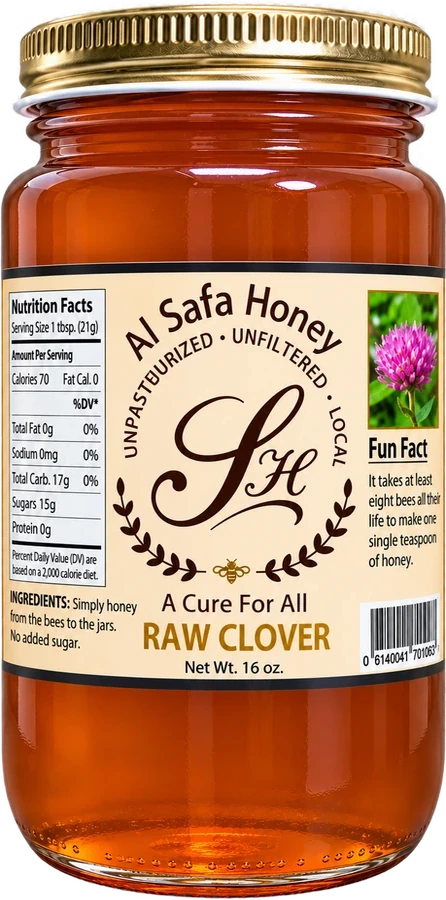
Cold Extracted Honey: What It Means and How Raw Honey Is Extracted
Cold extracted honey is honey taken out of the comb without added heat, usually by spinning frames in a centrifuge at room temperature. It is one of the main differences between raw honey and the clear, runny honey that fills most supermarket bottles. This guide explains how honey extraction works, what cold extraction and cold pressing mean, and why heat matters.
How honey is extracted, step by step
Bees store honey in wax cells and seal them with a wax cap. To get the honey out without destroying the comb, beekeepers follow the same basic steps whether they have two hives or two thousand.
- Uncapping: a heated or cold knife, fork or machine slices off the wax caps
- Spinning: frames go into an extractor, a drum that spins and flings honey out of the cells
- Straining: honey runs through a coarse strainer or mesh to catch wax and bits of bee
- Settling: it rests so air bubbles and fine wax rise to the top and are skimmed
- Jarring: the honey is poured into containers
What makes it cold extraction
In a cold extraction, no step adds heat beyond the warmth of the honey house. Honey is thick, so warm rooms help it flow, and many raw honey producers keep that warmth close to the temperature inside a hive, which is around 95 degrees Fahrenheit. Our honeys are never heated above hive temperature, and Pure Raw is never heated at all.
Large commercial packers often heat honey much higher, sometimes well above 140 degrees, so it pours quickly through fine filters and stays liquid on the shelf for longer. That process is efficient, but it changes the honey. Our guide to unpasteurized honey covers pasteurization in more detail.
Cold pressed honey vs spun honey
Cold pressed honey is an older method. Instead of spinning frames, the comb is crushed and pressed to squeeze the honey out, then strained. Pressing destroys the comb, so the bees must build new wax, but it is common for heather honey, which is too thick and jelly-like to spin, and in traditional beekeeping with hives that do not use frames.
Spun honey, the usual modern method, saves the comb so frames can go back into the hive. Both can be raw. The phrase spun honey is sometimes also used for creamed honey, which is something else; see creamed honey.
Why heat matters
Heat speeds up chemical changes in honey. When honey is heated, natural enzymes such as diastase lose activity and a compound called hydroxymethylfurfural, or HMF, rises. Food standards use both as signs of freshness and heating: the international Codex standard for honey generally caps HMF at 40 milligrams per kilogram. Heat also drives off the delicate aroma compounds that make a floral honey smell like its flower.
None of this makes heated honey unsafe. It simply tastes flatter, and raw honey fans buy cold-extracted honey to keep the character of the bloom.
How to tell if a honey is cold extracted
Because the label is not regulated, look for clues. Raw, cold-extracted honey is often cloudy rather than glassy, may have tiny specks of pollen or wax on top, and tends to crystallize within weeks or months. Producers who handle honey this way usually say so plainly, along with words like raw and unfiltered. Our raw unfiltered honey guide explains those terms.
Straining vs filtering
After extraction, honey still holds bits of wax, bee parts and air. Raw honey producers remove these by straining through a coarse mesh, often a few hundred microns, which catches debris but lets pollen grains and tiny wax particles through. That is why raw honey looks a little cloudy.
Industrial filtering goes much further. Heated honey is pushed under pressure through very fine filters that remove nearly all pollen. Honey with the pollen removed is harder to trace back to its flowers and country of origin, which is one reason ultrafiltered honey has drawn attention in food-fraud investigations. Our guide on how to tell if honey is real explains more.
Sources
- Standard for Honey, CXS 12-1981 · Codex Alimentarius (FAO/WHO)
Frequently asked questions
- Is cold extracted honey the same as raw honey?
- They overlap. Cold extraction is one requirement for raw honey; raw honey is also not pasteurized or fine-filtered. Neither term has a legal definition in the US.
- What does cold pressed honey mean?
- It means the comb was crushed and pressed to release the honey without heat, rather than spun in an extractor. It is common for very thick honeys such as heather.
- Why is cold extracted honey cloudy?
- It keeps fine particles of pollen and wax and is not heated to dissolve sugar crystals, so it looks hazier than heavily processed honey and crystallizes sooner.
- Does warming honey to decrystallize it ruin it?
- Gentle warming in a bowl of warm water is fine. Avoid boiling water and microwaving on high, which overheat the honey and dull its flavor.
Al Safa Honey is a food producer, not a medical provider. Nothing here is medical advice. Never give honey of any kind to a baby under 12 months old.