What Do Bees Do in Winter? How Honey Bees Survive the Cold
What do bees do in winter? Honey bees do not hibernate. They stay inside the hive, huddle in a tight ball called a winter cluster, shiver their flight muscles to make heat, and eat the honey they stored all summer. That stored honey is the whole reason bees make so much of it. This guide explains how honey bees and other bees get through the cold months.
The winter cluster
When outside temperatures drop to around 50 degrees Fahrenheit, honey bees begin to gather into a cluster on the comb. The colder it gets, the tighter they pack. Bees on the outside form an insulating shell with their bodies, while bees inside shiver their flight muscles without moving their wings, generating heat. The queen stays near the warm center.
Bees rotate between the outer shell and the warmer center, sharing the work. In late winter, when the colony starts raising young again, the core is kept close to the warm temperature brood needs, around the low to mid 90s Fahrenheit.
Honey: the winter fuel
All that shivering burns energy, and the colony's only fuel is the honey stored in the comb. A colony in a cold northern climate can need 60 pounds of honey or more to get through winter, depending on the length of the cold season. The cluster slowly moves across the comb, eating honey as it goes. A colony that runs out, or that cannot reach honey a few inches away in extreme cold, can starve.
This is why responsible beekeepers leave plenty of honey in the hive in fall and harvest only the surplus. See when is honey harvested.
Winter bees live longer
Summer worker bees live about five to six weeks. Bees raised in late summer and fall are different: they have larger fat bodies, store more protein, and can live four to six months, carrying the colony through until spring. In winter, the colony shrinks to a smaller population, and drones, the male bees, are pushed out of the hive in fall since they are not needed.
| Summer worker | Winter worker | |
|---|---|---|
| Lifespan | About 5 to 6 weeks | About 4 to 6 months |
| Main job | Nurse, build, forage | Keep the cluster warm |
| Body reserves | Smaller | Larger fat bodies |
Cleansing flights
Honey bees avoid relieving themselves inside the hive. During winter, they hold their waste until a mild, sunny day, often above about 45 to 50 degrees, when they take quick cleansing flights. If you see bees out on a warm winter day, or yellow spots on snow near a hive, that is what is happening.
What other bees do in winter
Bumblebee colonies die off in fall, except for new queens, who mate and then hibernate alone in the soil or leaf litter. In spring they start new colonies. Solitary bees, such as mason bees, spend the winter as adults or pupae sealed in their nest cells and emerge in spring. Leaving leaves, stems and bare soil in parts of your garden gives these bees places to overwinter. See which bees make honey and plants for honey bees.
How beekeepers help bees through winter
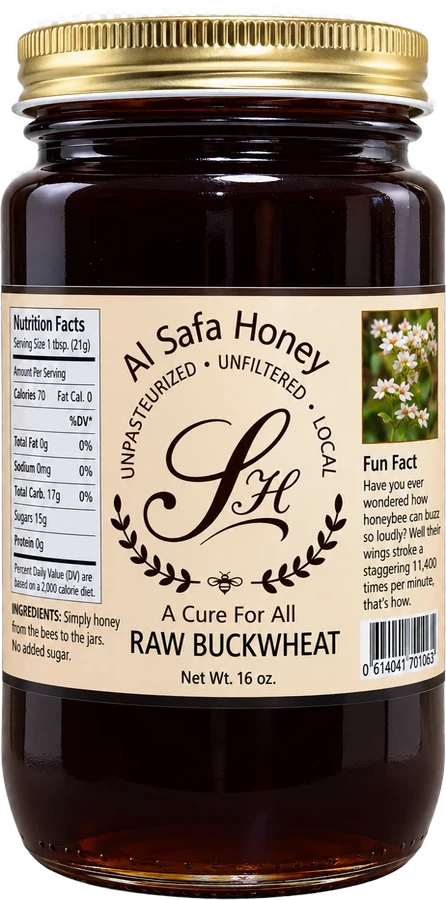
Beekeepers prepare colonies in fall by checking honey stores, treating for varroa mites, reducing hive entrances to keep out mice and drafts, and in cold regions adding insulation or windbreaks. Some feed sugar syrup or fondant if stores are low. In New York, winters are long, so preparation is a big part of the beekeeping year. The fall honeys we sell, such as Buckwheat, come from the last flows before bees settle in for winter.
Frequently asked questions
- Do honey bees hibernate?
- No. They stay active in a warm cluster and shiver to make heat.
- What do bees eat in winter?
- The honey and pollen they stored during the warmer months.
- How do bees stay warm in winter?
- They cluster tightly and shiver their flight muscles, rotating between the cold outside and warm center.
- How much honey do bees need for winter?
- In cold northern climates, often 60 pounds or more, depending on the length of winter.
Al Safa Honey is a food producer, not a medical provider. Nothing here is medical advice. Never give honey of any kind to a baby under 12 months old.