Which Bees Make Honey? Honey Bees, Stingless Bees and Bumblebees
Which bees make honey? Only a small number of the world's roughly 20,000 bee species. Most bees live alone and never store honey at all. The honey on store shelves comes almost entirely from honey bees, but stingless bees in the tropics make a prized honey too, and bumblebees store tiny amounts. This guide explains who makes honey and why.
Honey bees
Honey bees belong to the genus Apis, which has about a dozen species. The western honey bee, Apis mellifera, originally from Africa, Europe and western Asia, is the species kept by beekeepers around the world, including all commercial beekeepers in the US. The Asian honey bee, Apis cerana, is kept in parts of Asia. Giant honey bees and dwarf honey bees build single exposed combs on trees and cliffs and are harvested by honey hunters; see wild honey.
Honey bees live in large colonies that survive the winter, which is why they store so much honey: it is their winter food.
Stingless bees
Stingless bees, a group of several hundred species, live in tropical and subtropical regions of Central and South America, Africa, Asia and Australia. They do have stingers, but they are too small to use for defense. They store honey in wax pots rather than hexagonal combs. Their honey is thinner, often tangy or sour, and made in small quantities. The Maya kept stingless bees for centuries, and Melipona honey is still valued in Mexico's Yucatan Peninsula.
Bumblebees
Bumblebees live in small colonies that usually last only one season; in temperate climates, only new queens survive the winter. They store small amounts of nectar in wax pots to feed the colony during bad weather, but not enough for people to harvest. Bumblebees are important pollinators of tomatoes, blueberries and many wildflowers.
Bees that do not make honey
Most bees are solitary. Each female builds her own nest, in the ground, in hollow stems or in wood, and stocks it with pollen and nectar for her young. Mason bees, leafcutter bees, mining bees and sweat bees all work this way. They make no honey, but they are excellent pollinators. Wasps and hornets, which are not bees, also do not make honey, though a few wasp species store nectar.
| Insect | Makes honey? | Lives in |
|---|---|---|
| Western honey bee | Yes, large amounts | Large year-round colonies |
| Stingless bees | Yes, small amounts | Tropical colonies |
| Bumblebees | Tiny stores only | Small seasonal colonies |
| Mason, mining, leafcutter bees | No | Solitary nests |
| Wasps and hornets | Generally no | Seasonal paper nests |
Why only some bees store honey
Storing honey only makes sense for bees that live in large, long-lived colonies. Honey bee colonies survive the winter as a group and need a big food reserve to do it; see what do bees do in winter. Solitary bees and bumblebees complete their life cycle in a season, so they do not need large stores.
Where our honey comes from
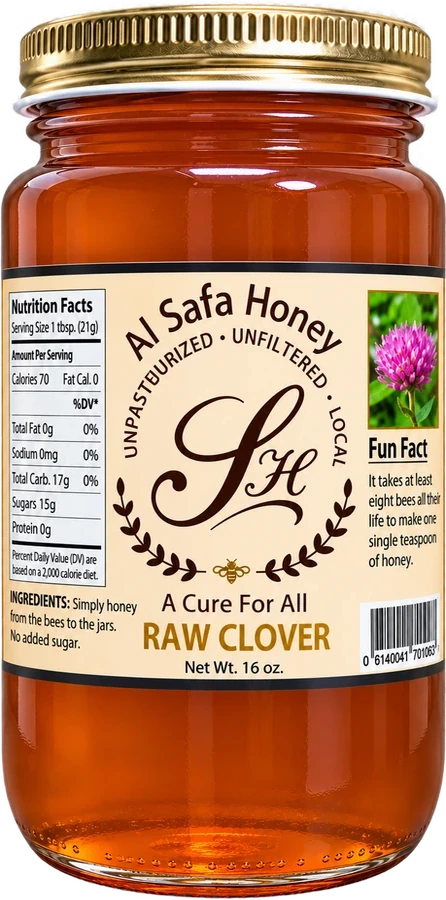
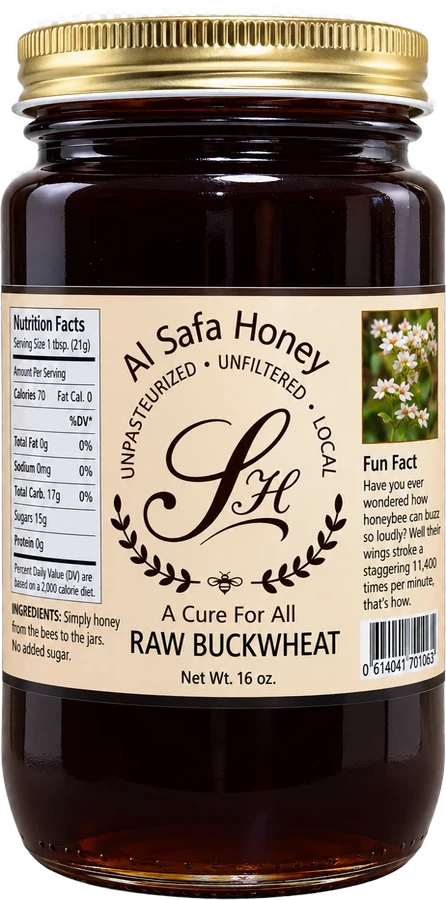
Every Al Safa honey is made by western honey bees kept by partner beekeepers in New York State, North Dakota and Florida. Each jar names the main flower source, from Clover to Buckwheat. Read honey bee facts for more about the bees themselves.
Frequently asked questions
- Do all bees make honey?
- No. Of about 20,000 bee species, only honey bees and stingless bees make meaningful amounts of honey.
- Do bumblebees make honey?
- They store small amounts of nectar, but not enough to harvest.
- What bee makes the honey we eat?
- Almost all of it comes from the western honey bee, Apis mellifera.
- Do wasps make honey?
- Generally no, though a few wasp species store small amounts of nectar.
- Is stingless bee honey sold in the US?
- Only in small amounts, usually imported from Mexico, Australia or South America, and at high prices.
Al Safa Honey is a food producer, not a medical provider. Nothing here is medical advice. Never give honey of any kind to a baby under 12 months old.