Pollinator Week: What It Is and 12 Ways to Take Part
Every June, gardeners, schools, farms, parks and businesses across the country celebrate Pollinator Week. It is a time to learn about the bees, butterflies, moths, beetles, flies, bats and hummingbirds that move pollen from flower to flower and help produce much of our food. Pollinator Week started in the United States and has grown into an international event. This article explains what Pollinator Week is, how it began, why pollinators matter, and twelve simple ways to take part at home, at school and at work. For year-round ideas, see our article on a bee friendly lawn.
For general education only, not medical advice. Our honey is a food and is not intended to diagnose, treat, cure or prevent any disease.
What Pollinator Week is
Pollinator Week is a week-long event, usually in the second half of June, dedicated to pollinators and the plants they support. Events range from garden tours and seed giveaways to bee hotel workshops, farm visits, museum exhibits and city proclamations. Landmarks are sometimes lit in yellow and orange to mark the week.
How it started
National Pollinator Week was officially recognized by the U.S. Senate in 2007, as the University of Illinois Pollinator Week team notes. The nonprofit Pollinator Partnership coordinates the event, and it has since spread to many other countries. Many states, cities and universities now host their own Pollinator Week programs.
Why pollinators matter
The U.S. Fish and Wildlife Service estimates that insect pollination adds more than $34 billion a year to U.S. crop value, and that about 35 percent of the world's food crops rely on animal pollinators. Pollinators also support wild plants that feed birds and other wildlife.
| Pollinator | Examples of what they pollinate |
|---|---|
| Honey bees | Almonds, apples, many fruits and vegetables |
| Bumble bees | Tomatoes, blueberries, peppers |
| Butterflies and moths | Wildflowers, some night-blooming plants |
| Hummingbirds | Tubular red flowers |
| Bats | Agave, some tropical fruits |
| Flies and beetles | Many wildflowers and some crops |
Ways 1 to 3: In your garden
Plant at least three kinds of flowers that bloom at different times, ideally native species. Let some clover and dandelions bloom in your lawn. Put out a shallow water dish with pebbles so bees can drink safely.
Ways 4 to 6: Habitat projects
Build a simple bee hotel from bamboo tubes or drilled wood blocks for mason and leafcutter bees, and clean or replace tubes each year. Leave a patch of bare, sunny soil for ground-nesting bees. Leave hollow stems standing over winter.
Ways 7 and 8: Community science
Join a pollinator count or photograph bees and butterflies for a community science app. These observations help researchers track where pollinators live. The USDA Forest Service Bee Basics guide is a helpful introduction to identifying native bees.
Way 11: Rethink pesticides
Avoid spraying insecticides on flowers, especially during the day when bees are active. If you must use a product, follow the label exactly and spot-treat when plants are not in bloom.
Way 12: Hold a honey tasting
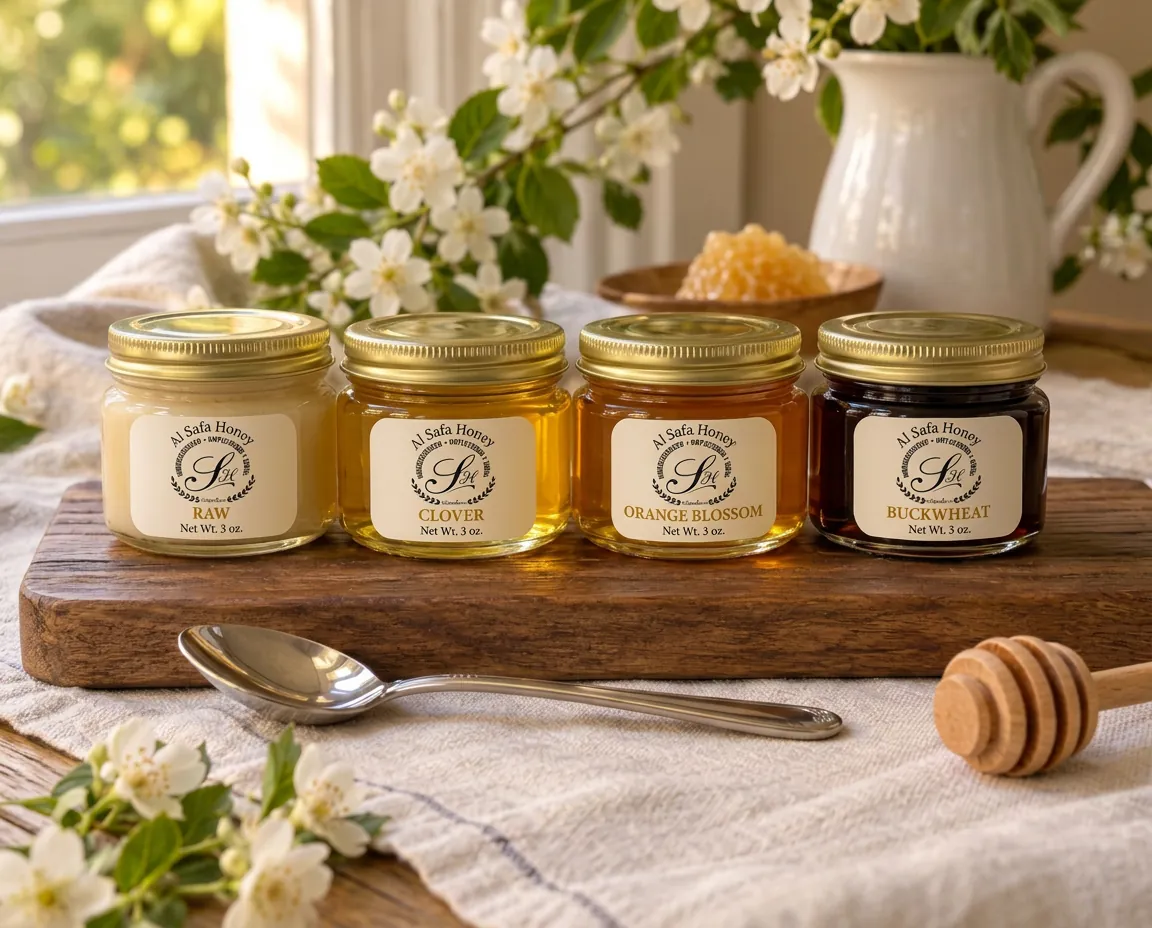
Pollinator Week is a perfect time for a honey tasting. Compare light and dark honeys and talk about the flowers bees visited to make each one. Our article on honey tasting explains how to run one.
- Pick three or four honeys
- Taste from light to dark
- Note color, aroma and flavor
- Talk about the flowers behind each
Pollinator Week at school
Teachers can plant a pollinator garden bed, have students draw pollinators, dissect flowers to find pollen, or track bee visits to different flowers. Older students can graph data from a pollinator count. Always check for bee sting allergies before outdoor activities.
Pollinator Week at work
Businesses can plant pollinator beds, sponsor a local garden, switch landscaping to native plants, or share pollinator facts with customers. A honey gift for staff or clients ties the week together.
Native bees in the spotlight
The U.S. Geological Survey notes more than 4,000 native bee species live in the United States, and some are declining. Pollinator Week is a good time to learn about them. Our article on native bees vs honey bees compares the two.
Taste the flowers bees visit
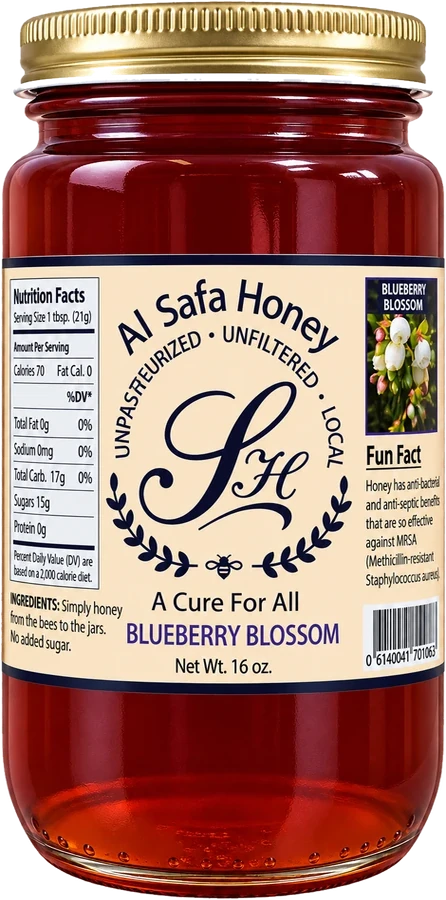
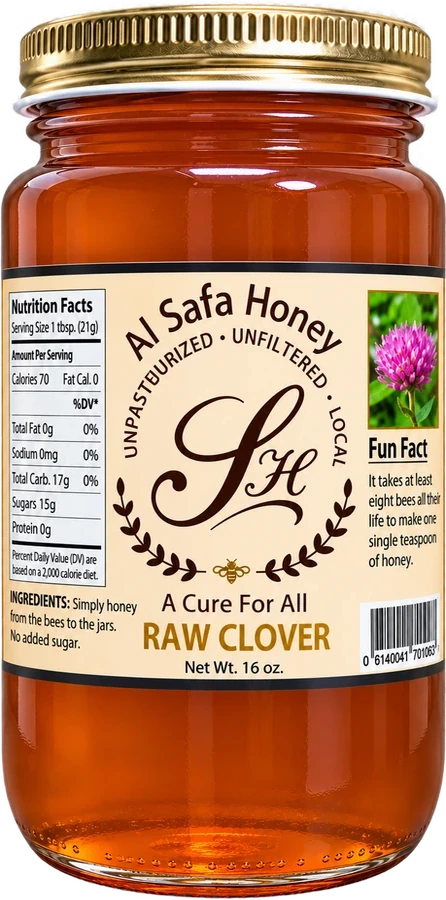
Honey is a delicious way to connect with pollinators. Try Raw Blueberry Blossom Honey and Raw Clover Honey, harvested in New York State, or Raw Orange Blossom Honey from Florida.
The takeaway on Pollinator Week
Pollinator Week is an annual June celebration of the animals that pollinate our food and wild plants. Plant flowers, provide habitat, join a count, learn from beekeepers and enjoy a honey tasting to take part.
Celebrate with a honey tasting
The Pure Raw Honey Sampler has four 3 oz jars you choose, perfect for a Pollinator Week tasting. Save with a 3 jar or 6 jar pack of any honey, and orders over $50 ship free. Visit our shop.
Sources
Outside health sources we used for this article. They open in a new tab.
- About Pollinator Week · University of Illinois Urbana-Champaign
- Pollinators Benefit Agriculture · U.S. Fish and Wildlife Service
- Bee Basics: An Introduction to Our Native Bees · USDA Forest Service and Pollinator Partnership
Frequently asked questions
- When is Pollinator Week?
- It is held each year in June, usually in the second half of the month.
- Who started Pollinator Week?
- It was recognized by the U.S. Senate in 2007 and is coordinated by Pollinator Partnership.
- What are pollinators?
- Animals like bees, butterflies, moths, birds, bats and beetles that move pollen.
- How can families celebrate Pollinator Week?
- Plant flowers, build a bee hotel, join a pollinator count or hold a honey tasting.
- Is Pollinator Week only in the U.S.?
- No. It started in the U.S. and is now celebrated in many countries.
- How can schools take part?
- Plant a garden bed, run a pollinator count or invite a beekeeper.
- What is the difference between Pollinator Week and World Bee Day?
- Pollinator Week is in June; World Bee Day is May 20.
Al Safa Honey is a food producer, not a medical provider. Nothing here is medical advice, and these statements have not been evaluated by the Food and Drug Administration. Talk to your doctor about any health concern. Never give honey of any kind to a baby under 12 months old.