World Bee Day: May 20 and the Beekeeper Behind It
World Bee Day falls on May 20 each year. The United Nations chose that date to honor Anton Janša, an 18th-century Slovenian beekeeper who became one of the pioneers of modern beekeeping. The day draws attention to the role bees and other pollinators play in food security, farming and nature. This article explains how World Bee Day began, who Anton Janša was, why bees matter, and simple ways for families, schools and businesses to celebrate. For a June event, see Pollinator Week.
For general education only, not medical advice. Our honey is a food and is not intended to diagnose, treat, cure or prevent any disease.
How World Bee Day began
According to the Food and Agriculture Organization of the United Nations, Slovenia proposed a World Bee Day at the 2016 FAO Regional Conference for Europe, with support from Apimondia, the international federation of beekeepers' associations. The UN General Assembly unanimously proclaimed May 20 as World Bee Day in 2017, and the first celebration was held on May 20, 2018.
Who was Anton Janša
Anton Janša was born on May 20, 1734, in Breznica, Slovenia, into a family of beekeepers. He became a teacher of beekeeping in Vienna at the court of Empress Maria Theresa, worked full time as a beekeeper from 1769, and published a book on beekeeping in German in 1771. He is remembered for practical teaching and close observation of bees.
| Year | Event |
|---|---|
| 1734 | Anton Janša born in Breznica, Slovenia |
| 1769 | Begins working full time as a beekeeper |
| 1771 | Publishes Discussion on Bee-keeping |
| 2017 | UN proclaims May 20 as World Bee Day |
| 2018 | First World Bee Day celebrated |
Slovenia's beekeeping tradition
Slovenia has one of the highest numbers of beekeepers per person in the world and a native bee, the Carniolan honey bee, prized for its gentle nature. Traditional Slovenian beehives have painted front panels, called panjske končnice, showing folk scenes. It is fitting that the world's bee day comes from such a bee-loving nation.
Why bees matter
Bees and other pollinators help produce fruits, nuts, seeds and vegetables. The U.S. Fish and Wildlife Service reports that about 35 percent of the world's food crops rely on animal pollinators, and insect pollination adds over $34 billion a year to U.S. crops. Bees also support wild plants that feed birds and other wildlife.
Threats bees face
Bees face habitat loss, pesticides, parasites such as the varroa mite, diseases, and changing climate. Managed honey bees have beekeepers to help them, while wild bees depend on the landscape. The U.S. alone has about 4,000 native bee species, some of them declining.
- Loss of flowering habitat
- Pesticide exposure
- Varroa mites and viruses
- Climate shifts in bloom timing
How families can celebrate
Plant a pot of bee-friendly herbs like thyme, lavender or oregano on a balcony. Go on a bee walk and count how many kinds of bees you see. Read a picture book about bees. Make a simple breakfast with honey and talk about the flowers it came from.
How schools can celebrate
Classes can plant a pollinator bed, study the parts of a flower, watch videos of bees dancing, or invite a beekeeper with an observation hive. Older students can research how bees pollinate crops like almonds and apples. Our article on honey bee pollination is a good starting point.
How businesses can celebrate
Restaurants can feature honey dishes, offices can plant flower boxes, and shops can share bee facts. Gifting honey to staff or customers is a sweet way to mark the day.
World Bee Day vs Pollinator Week
World Bee Day, on May 20, is a UN day focused on bees. Pollinator Week, in June, began in the United States and celebrates all pollinators, from bees to bats. Many groups celebrate both.
Learn your local bees
Bees in your backyard may include honey bees, bumble bees, sweat bees, mason bees and leafcutter bees. Our article on native bees vs honey bees helps you tell them apart.
Taste the work of bees
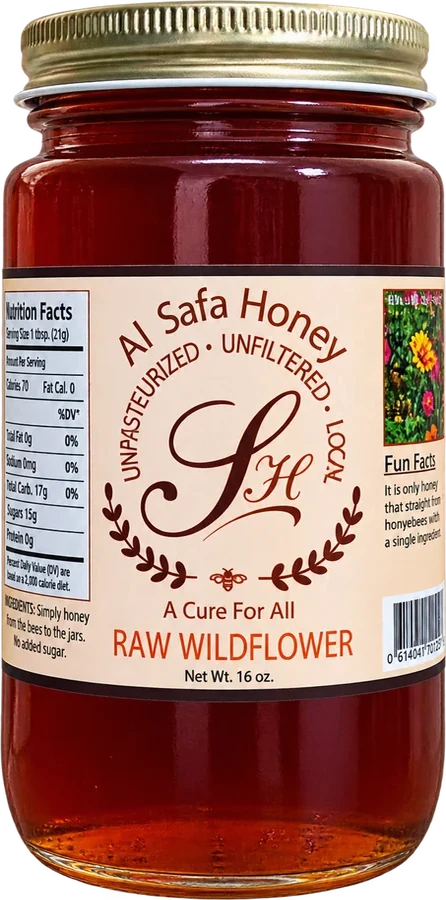
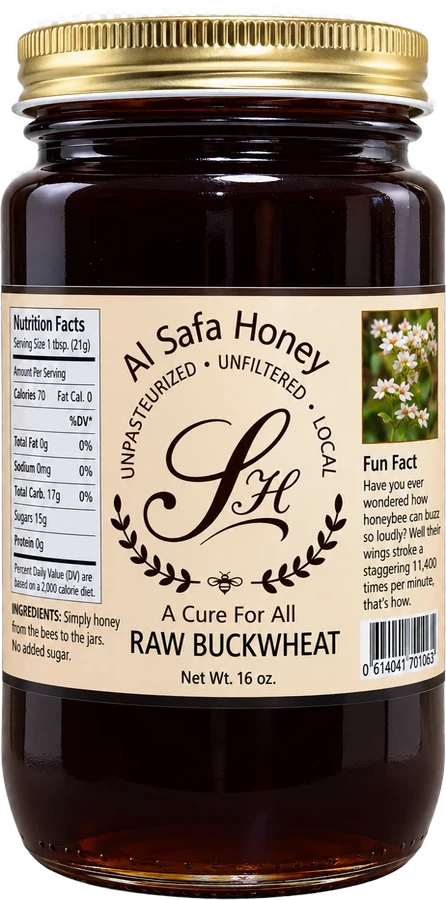
A honey tasting is a delicious way to celebrate World Bee Day. Try Raw Wildflower Honey and Raw Buckwheat Honey, harvested in New York State, side by side. Our honey comes from a partner farm whose beekeepers care for the colonies.
Honey and kids
Children over 12 months can join a honey tasting. Never give honey to babies under 12 months, as the CDC advises.
The takeaway on World Bee Day
World Bee Day, May 20, honors beekeeping pioneer Anton Janša and raises awareness of bees' role in food and nature. Plant flowers, learn about bees, support beekeepers and enjoy honey to celebrate.
World Bee Day themes
Each year the FAO picks a theme for World Bee Day. Recent themes have focused on bees and young people, bee-friendly farming and the partnership between pollinators and people. The 2026 theme was Bee Together for People and the Planet. Themes give schools, beekeeping groups and governments a shared focus for events, from apiary open days in Slovenia to farm tours in the United States.
A simple World Bee Day breakfast
Start May 20 with yogurt, berries and a drizzle of honey, or toast with honey and sliced apple. Talk with children about which of those foods needed bees, and keep a tally on the fridge for the rest of the day.
Celebrate with honey
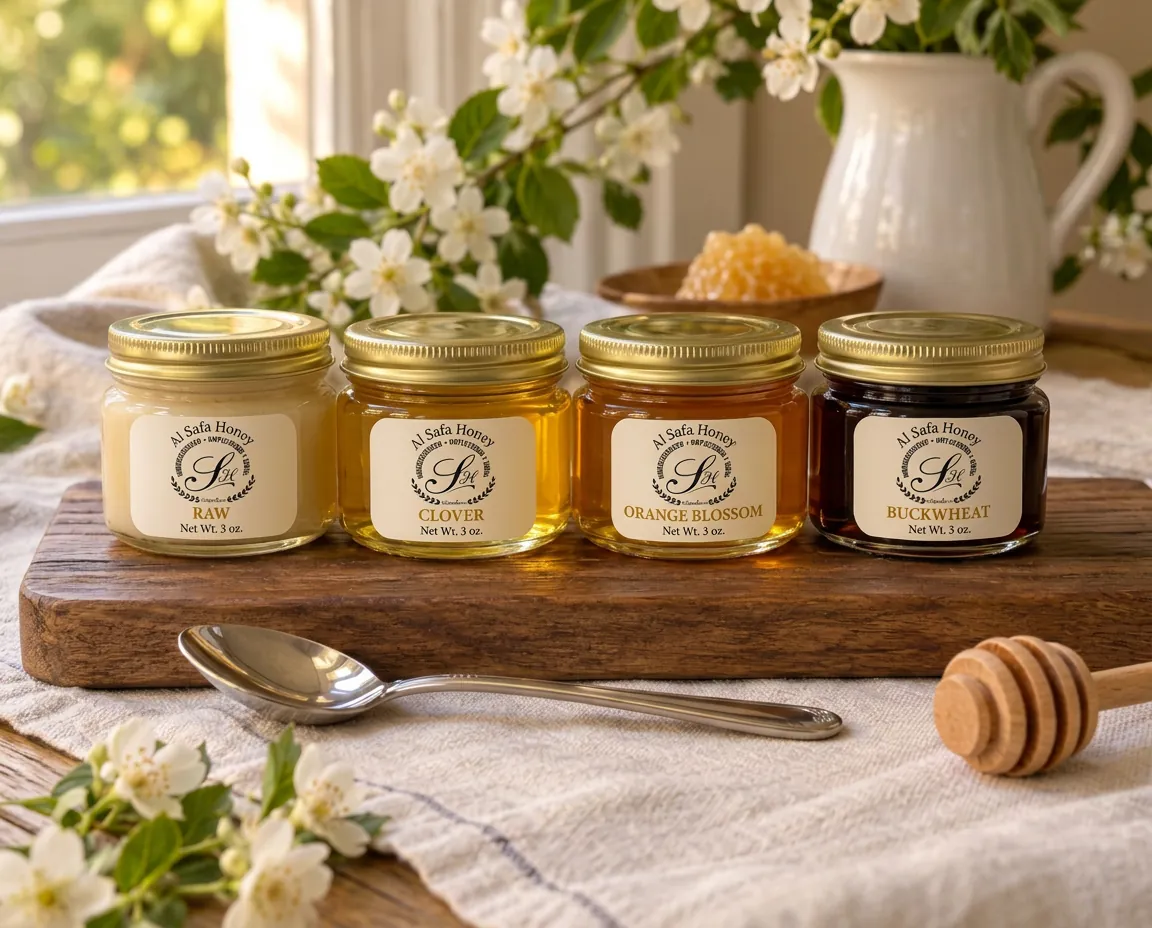
Try a mix of honeys with the Pure Raw Honey Sampler. Save with a 3 jar or 6 jar pack of any honey, and orders over $50 ship free. Visit our shop.
Sources
Outside health sources we used for this article. They open in a new tab.
- World Bee Day, 20 May · Food and Agriculture Organization of the United Nations
- Pollinators Benefit Agriculture · U.S. Fish and Wildlife Service
- More than 4,000 native bee species inhabit the United States · U.S. Geological Survey
Frequently asked questions
- When is World Bee Day?
- May 20 every year.
- Why is World Bee Day on May 20?
- It is the birthday of Slovenian beekeeping pioneer Anton Janša, born in 1734.
- Who declared World Bee Day?
- The UN General Assembly, in 2017, after a proposal from Slovenia.
- When was the first World Bee Day?
- May 20, 2018.
- How can I celebrate World Bee Day?
- Plant flowers, learn about bees, support beekeepers and taste honey.
- Is World Bee Day the same as Pollinator Week?
- No. World Bee Day is May 20; Pollinator Week is in June.
- Why are bees important?
- About 35 percent of food crops rely on animal pollinators like bees.
Al Safa Honey is a food producer, not a medical provider. Nothing here is medical advice, and these statements have not been evaluated by the Food and Drug Administration. Talk to your doctor about any health concern. Never give honey of any kind to a baby under 12 months old.