Benefits of Beekeeping: For Farms, Gardens and Beekeepers
Beekeeping has been part of human life for thousands of years, and interest keeps growing among backyard gardeners, farmers and city rooftop keepers. The benefits of beekeeping go beyond a harvest of honey: bees pollinate gardens and crops, produce beeswax and other products, provide income for commercial keepers, and connect people to nature and seasons. But keeping bees also takes time, money, skill and responsibility. This article explains the main benefits of beekeeping, what it costs, the challenges, the responsibilities to neighbors and native bees, and how to start well. For bees on a big scale, see honey bee pollination.
For general education only, not medical advice. Our honey is a food and is not intended to diagnose, treat, cure or prevent any disease.
Benefit 1: Pollination
A healthy hive sends thousands of foragers into the surrounding area, visiting fruit trees, vegetable gardens and wildflowers. Gardeners often notice better fruit set on squash, cucumbers and fruit trees. On farms, pollination is so valuable that commercial beekeepers now earn more from renting colonies than from honey, as the USDA Economic Research Service reported.
Benefit 2: Honey
A strong backyard colony can produce surplus honey in a good year after leaving enough for the bees to survive winter. Yields vary widely with weather, forage and colony health, and first-year colonies often produce little or none. Harvesting your own honey shows how much work bees put in. Our guide on how much honey a bee makes puts it in perspective.
Benefit 3: Beeswax and other products
Beekeepers also harvest beeswax for candles, lip balm, wood polish and food wraps. Some collect pollen or propolis. Our what is beeswax guide explains how bees make wax and how it is used.
Benefit 4: Income
Commercial beekeepers earn from honey sales and pollination contracts. Hobbyists sometimes sell extra honey at farmers markets or to neighbors, though it is rarely a big money-maker at small scale. Check local and state rules for selling food products.
| Income source | Who earns it |
|---|---|
| Honey sales | Hobbyists and commercial keepers |
| Pollination rentals | Mostly commercial keepers |
| Beeswax products | Hobbyists and small businesses |
| Selling bees and queens | Specialized breeders |
Benefit 5: Learning and wellbeing
Many beekeepers describe hive inspections as calming and absorbing. Keeping bees teaches observation, biology, weather patterns and patience. School and community apiaries help children learn where food comes from.
The costs
Starting with one or two hives typically costs several hundred to around a thousand dollars for hive boxes, frames, a protective suit, gloves, a smoker, a hive tool and bees. Ongoing costs include mite treatments, feed in lean times, replacement equipment and extraction tools. Time commitment is roughly an hour or so per hive every week or two during the active season.
The challenges
Colonies face varroa mites, viruses, brood diseases, pests, poor forage and harsh winters. Many beekeepers lose some colonies every year. Successful beekeeping requires learning to monitor mite levels, recognize disease and manage swarming.
- Varroa mites and viruses
- Swarming
- Winter losses
- Stings and allergies
- Neighbor concerns
Responsibilities to neighbors
Check local ordinances, homeowner association rules and state registration requirements before getting bees. Place hives so flight paths go up and away from sidewalks, provide water so bees do not visit a neighbor's pool, and talk with neighbors, especially anyone with a bee sting allergy. Our beekeeping in NYC guide shows how one city regulates hives.
Honey bees and native bees
Some researchers note that large numbers of honey bee hives in natural areas may compete with native bees for flowers. Backyard beekeepers can help by planting plenty of flowers, not overloading an area with hives, and supporting native bees too. Our article on native bees vs honey bees explores the balance.
How to start well
Take a beginner class through a local beekeeping club or extension office, read a good beginner book, and find a mentor. Start with two hives so you can compare them and share resources. Order bees in winter for spring delivery. Plan to keep careful records.
Supporting beekeepers without keeping bees
Not everyone can or should keep bees. You can still support beekeeping by buying honey from beekeepers and farms, planting flowers, and supporting pollinator research. Our article on does buying honey help bees explains how.
Where our honey comes from
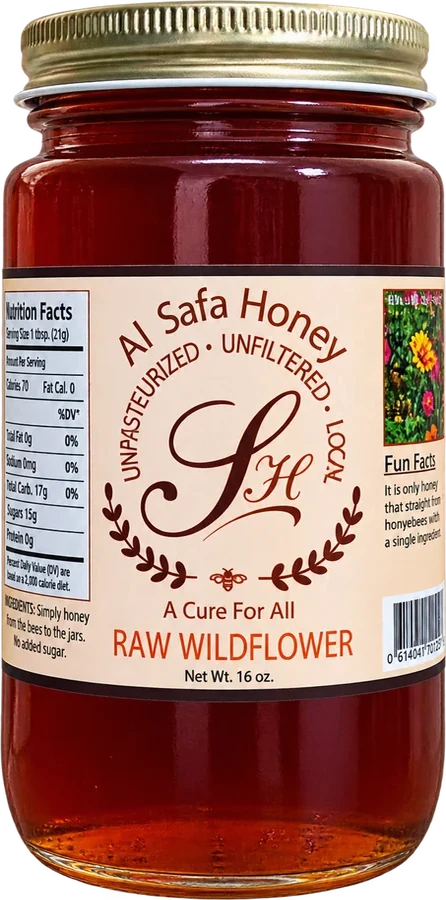
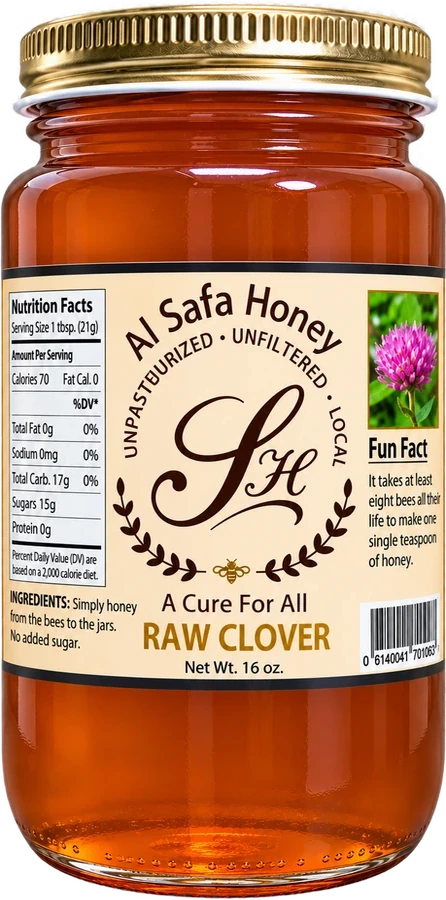
Al Safa does not keep its own hives. Our honey comes from a partner farm whose beekeepers manage the colonies, and we bottle it raw and never heated above hive temperature. Try Raw Wildflower Honey and Raw Clover Honey, both harvested in New York State.
The takeaway on benefits of beekeeping
The benefits of beekeeping include pollination, honey, wax, income and learning, but it requires money, time, skill and care for neighbors and native bees. Take a class, find a mentor and start small.
Community benefits of beekeeping
The benefits of beekeeping reach beyond the beekeeper. Community and school apiaries give neighbors a chance to see inside a hive, rooftop hives on restaurants and offices start conversations about where food comes from, and local clubs share equipment and swarm-catching help. Many clubs run swarm hotlines so that a cluster of bees on a tree branch is collected safely instead of sprayed.
Taste the work of beekeepers
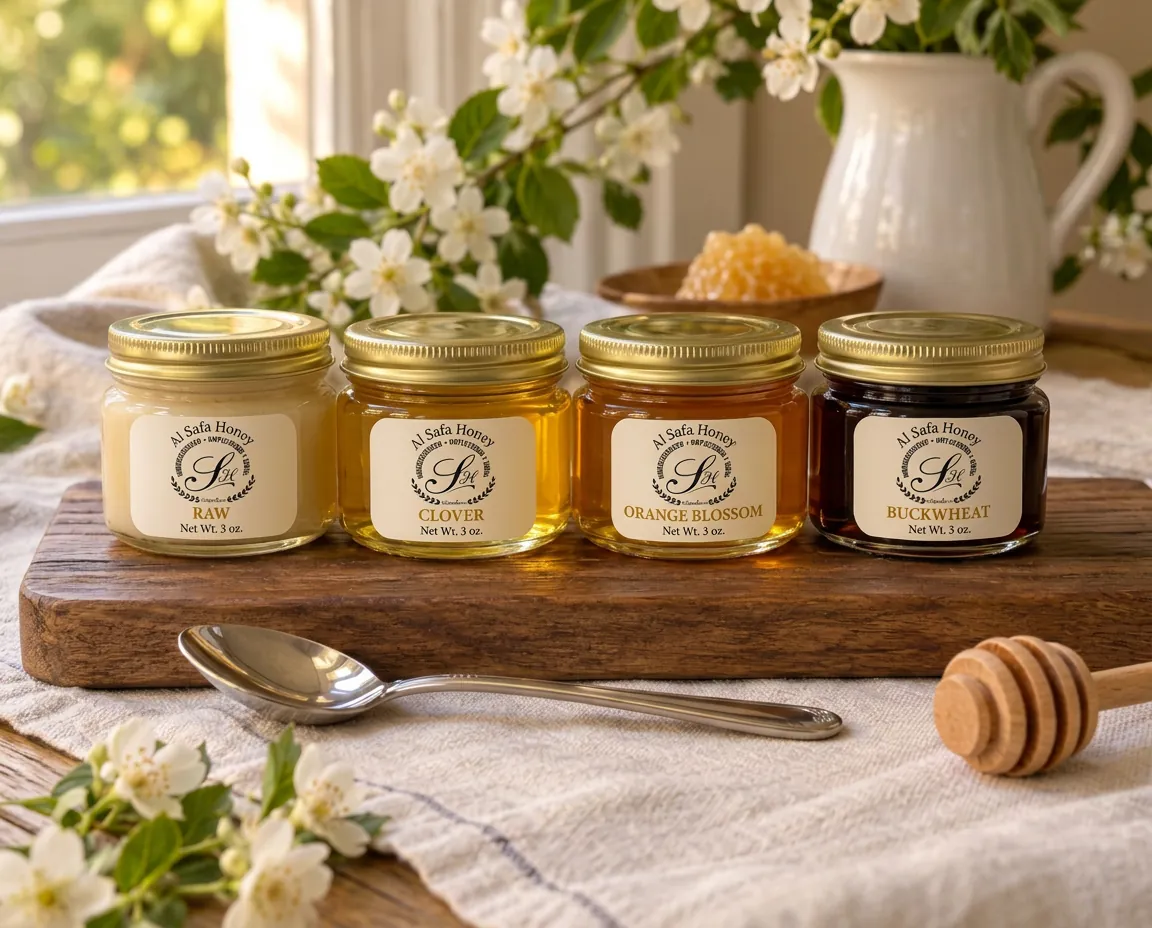
Enjoy honey from dedicated beekeepers with our Pure Raw Honey Sampler. Save with a 3 jar or 6 jar pack of any honey, and orders over $50 ship free. Visit our shop.
Sources
Outside health sources we used for this article. They open in a new tab.
- Driven by Almonds, Pollination Services Now Exceed Honey as a Source of Beekeeper Revenue · USDA Economic Research Service
- Pollinators Benefit Agriculture · U.S. Fish and Wildlife Service
- Honey (annual report) · USDA National Agricultural Statistics Service
Frequently asked questions
- What are the benefits of beekeeping?
- Pollination, honey, beeswax, income and learning about nature.
- How much does it cost to start beekeeping?
- Often several hundred to about a thousand dollars for one or two hives.
- How much time does beekeeping take?
- Roughly an hour or so per hive every week or two in season.
- Do I need permission to keep bees?
- Check local ordinances, HOA rules and state registration.
- Does beekeeping help native bees?
- Not directly; plant flowers to support native bees too.
- Will I get honey the first year?
- Often little or none; colonies need to build up first.
- Does Al Safa keep its own bees?
- No. Our honey comes from a partner farm.
Al Safa Honey is a food producer, not a medical provider. Nothing here is medical advice, and these statements have not been evaluated by the Food and Drug Administration. Talk to your doctor about any health concern. Never give honey of any kind to a baby under 12 months old.