Honey Bee Pollination: How Bees Help Grow Our Food
Every time you eat an apple, an almond or a handful of blueberries, you are tasting the results of pollination. Honey bee pollination is one of the most important services in agriculture: bees moving from flower to flower carry pollen that lets plants form fruit and seeds. In the United States, honey bees are trucked across the country to pollinate crops worth billions of dollars, alongside thousands of native bee species doing the same work in the wild. This article explains how pollination works, why honey bees are so useful to farmers, which crops depend on them, the numbers behind it and what you can do to help. For the big picture on bees and honey, see does buying honey help bees.
For general education only, not medical advice. Our honey is a food and is not intended to diagnose, treat, cure or prevent any disease.
How pollination works
Flowers make pollen, the plant's male cells, and have a stigma, the female part that receives pollen. For many plants, pollen must travel from one flower to another, often of a different plant of the same species, before fruit and seeds form. Wind carries pollen for crops like corn and wheat, but many fruits, nuts and vegetables need animals, especially insects, to do the job.
How honey bees pollinate
Honey bees visit flowers to collect nectar, which they turn into honey, and pollen, which feeds their young. Their fuzzy bodies pick up pollen grains, and as they move between flowers, some of that pollen rubs off on the stigmas. Honey bees tend to stick with one flower type on each trip, called flower constancy, which makes them efficient pollinators.
- Bee visits flower for nectar and pollen
- Pollen sticks to hairy body
- Bee moves to another flower of the same type
- Pollen transfers to the stigma
- Fruit and seeds develop
Why farmers rent honey bees
Honey bees live in large colonies of tens of thousands of workers, can be moved in boxes on trucks, and forage on many crops. That makes them uniquely practical for large farms that need a lot of pollinators at once. Commercial beekeepers rent colonies to growers during bloom, then move to the next crop.
The numbers behind pollination
The U.S. Fish and Wildlife Service reports that insect pollination adds more than $34 billion a year to the value of U.S. crops and that about 35 percent of the world's food crops rely on animal pollinators. The USDA notes that bees pollinate about one of every three bites of food Americans eat.
| Measure | Figure |
|---|---|
| U.S. crop value from insect pollination | Over $34 billion per year |
| Global food crops relying on animal pollinators | About 35% |
| Native bee species in the U.S. | About 4,000 |
| Share of U.S. pollination spending on almonds (2016) | 82% |
Crops that depend on bees
Almonds depend almost entirely on bee pollination. Apples, cherries, blueberries, cranberries, pears, plums, cucumbers, squash, pumpkins, melons and many seed crops for vegetables benefit greatly. Even crops like alfalfa and clover, which feed dairy cows, rely on bees for seed production.
Almonds: the biggest pollination event
Each February, a large share of America's commercial honey bee colonies travels to California's Central Valley for almond bloom. The USDA Economic Research Service found almonds accounted for 82 percent of U.S. pollination fees in 2016. Our article on almond pollination tells the full story.
Native bees matter too
Honey bees are not native to North America; they were brought by European settlers. About 4,000 native bee species, including bumble bees, mason bees and squash bees, also pollinate crops and wild plants. Some native bees are better pollinators of certain crops, like bumble bees on tomatoes and blueberries. Our article on native bees vs honey bees compares them.
Pollination and honey flavor
When bees pollinate a crop, they also gather its nectar. That is why some honeys are named for the crops bees visited, such as orange blossom, blueberry blossom and buckwheat. Each tastes different because nectar from each flower has its own sugars and aroma compounds.
Challenges facing pollinators
Bees face habitat loss, parasites like the varroa mite, diseases, pesticide exposure and poor nutrition. Beekeepers in the U.S. report significant winter colony losses each year and work hard to rebuild. Our article on colony collapse disorder explains one well-known concern.
How you can help
Plant a variety of flowers that bloom from spring to fall, let some clover bloom in your lawn, avoid spraying pesticides on open flowers, provide a shallow water source, and support beekeepers and farmers who care for pollinators. Our article on bee friendly lawn ideas has practical steps.
Pollination in your garden
If your squash or cucumbers form small fruits that shrivel, poor pollination may be the cause. Planting flowers nearby attracts bees. In a pinch, gardeners hand-pollinate with a small brush, moving pollen from male to female flowers.
Honey from pollinated landscapes
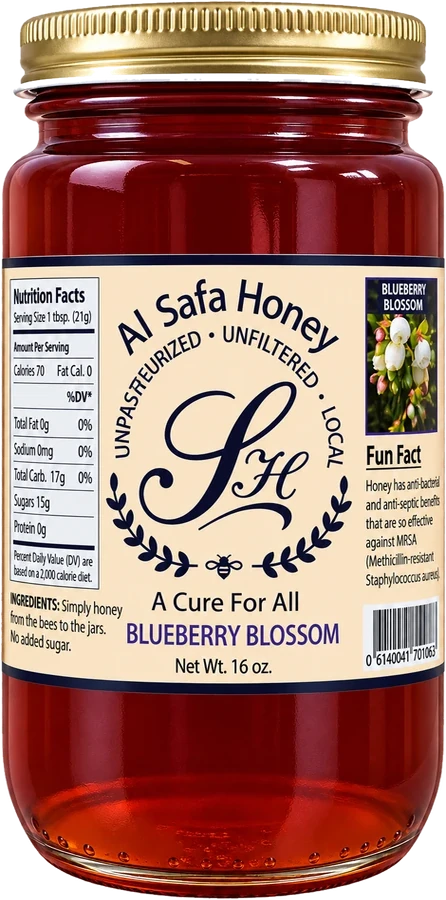
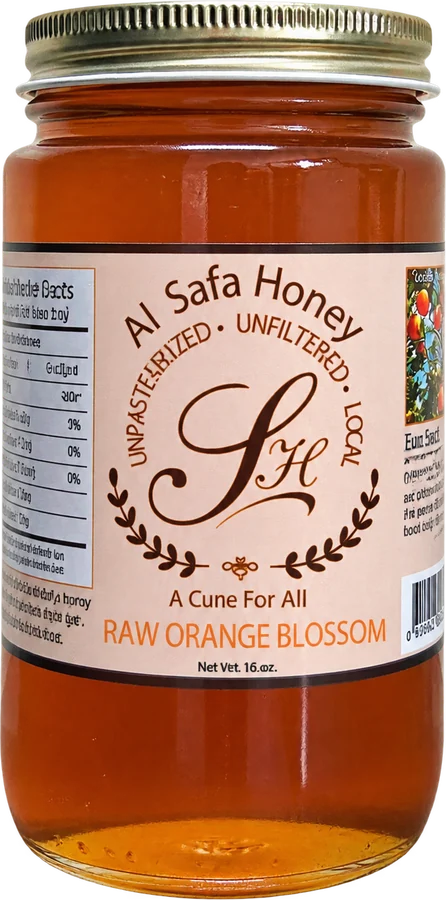
Our honeys come from a partner farm whose bees forage on clover, wildflowers, sunflowers, buckwheat and blueberry blossoms in New York State, plus knotweed in North Dakota and orange groves in Florida. Try Raw Blueberry Blossom Honey, Raw Orange Blossom Honey and Raw Buckwheat Honey to taste the crops bees visit.
The takeaway on honey bee pollination
Honey bee pollination helps produce many of the fruits, nuts and vegetables we eat, adding billions of dollars to U.S. crops. Native bees share the work. Planting flowers and avoiding pesticides on blooms help all pollinators.
Taste the crops bees pollinate
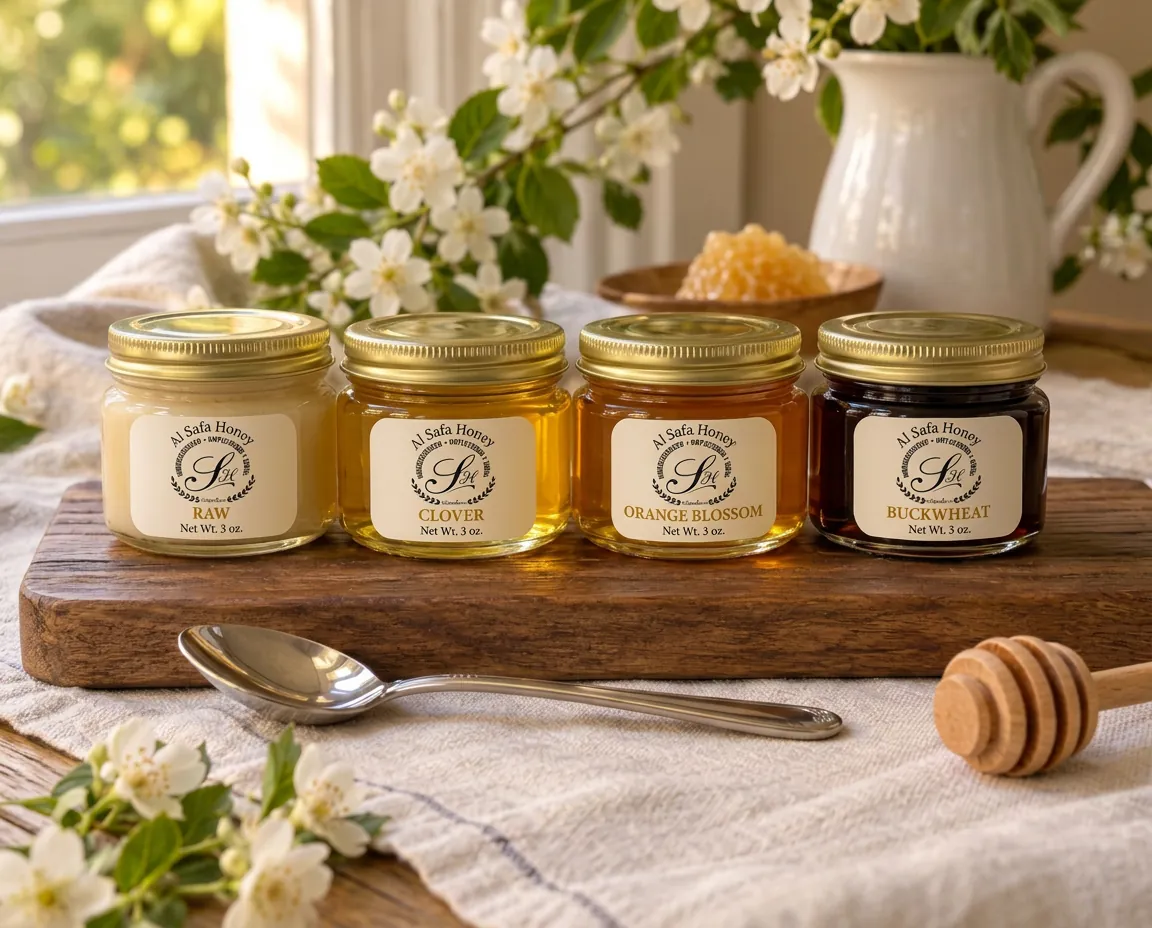
The Pure Raw Honey Sampler lets you taste four honeys from different blossoms. Save with a 3 jar or 6 jar pack of any honey, and orders over $50 ship free. Visit our shop.
Sources
Outside health sources we used for this article. They open in a new tab.
- Pollinators Benefit Agriculture · U.S. Fish and Wildlife Service
- Celebrating a World of Benefits from a Dwindling Resource · U.S. Department of Agriculture (NRCS blog)
- Driven by Almonds, Pollination Services Now Exceed Honey as a Source of Beekeeper Revenue · USDA Economic Research Service
Frequently asked questions
- How do honey bees pollinate?
- Pollen sticks to their bodies and transfers between flowers as they forage.
- How much food do bees pollinate?
- About one in three bites of food Americans eat, according to USDA.
- What is pollination worth in the U.S.?
- Insect pollination adds over $34 billion a year to crop value.
- Which crops need honey bees most?
- Almonds, plus apples, cherries, blueberries and melons.
- Are honey bees native to America?
- No. They were brought by European settlers.
- How many native bee species are in the U.S.?
- About 4,000.
- How can I help pollinators?
- Plant flowers, let clover bloom and avoid spraying open blooms.
Al Safa Honey is a food producer, not a medical provider. Nothing here is medical advice, and these statements have not been evaluated by the Food and Drug Administration. Talk to your doctor about any health concern. Never give honey of any kind to a baby under 12 months old.