Colony Collapse Disorder: What Happened and Where Bees Stand Now
In the winter of 2006 to 2007, beekeepers across the United States opened hives and found them nearly empty. The worker bees had vanished, leaving behind a queen, food and young bees, with few dead bodies anywhere. This mysterious pattern was named colony collapse disorder, or CCD, and it sparked worldwide headlines about disappearing bees. This article explains what colony collapse disorder is, its suspected causes, how reports of CCD have declined, why beekeepers still lose many colonies each year, and what everyone can do to help bees. For more on pollination, see honey bee pollination.
For general education only, not medical advice. Our honey is a food and is not intended to diagnose, treat, cure or prevent any disease.
What colony collapse disorder looks like
The EPA describes CCD as the phenomenon in which the majority of worker bees in a colony disappear, leaving behind a queen, plenty of food and a few nurse bees caring for the remaining brood. Dead bees are rarely found near the hive. That absence of bodies is what made CCD so puzzling.
The 2006 to 2007 alarm
During the winter of 2006 to 2007, some beekeepers reported losing 30 to 90 percent of their hives. As many as half of the affected colonies showed symptoms that did not match known causes of bee death. Headlines warned of a crisis for honey and for the crops bees pollinate.
Suspected causes
Researchers have not found a single cause. Instead, the EPA lists several factors that likely interact:
- The varroa mite, an invasive parasite
- Viruses such as Israeli acute paralysis virus
- Nosema, a gut parasite
- Pesticide exposure in fields and hives
- Stress from transporting colonies
- Poor forage and nutrition
- Immune suppression from combined stresses
The varroa mite
The varroa mite arrived in the United States in the 1980s. It feeds on developing and adult bees and spreads viruses that can devastate colonies. Many bee scientists see varroa and the viruses it carries as the single biggest threat to honey bees today. Beekeepers monitor mite levels and treat colonies to keep them low.
Has CCD gone away
According to the EPA, reported cases of CCD have declined substantially. The share of winter hive losses attributed to CCD fell from about 60 percent in 2008 to 31 percent in 2013, and initial reports for 2014 to 2015 did not mention CCD at all. But overall winter losses have remained high.
| Year | Share of losses attributed to CCD |
|---|---|
| 2008 | About 60% |
| 2013 | About 31% |
| 2014 to 2015 | Not mentioned in initial reports |
Colony losses today
Beekeepers in the U.S. still commonly lose a large share of colonies each year, often from mites, viruses, poor queens, starvation and weather, rather than classic CCD. Beekeepers replace losses by splitting strong colonies and buying new queens, which keeps overall colony numbers relatively steady but makes beekeeping more costly.
Why honey bee numbers have not crashed
Because honey bees are managed, beekeepers can rebuild. USDA honey reports track millions of colonies producing honey each year. The bigger long-term concern for biodiversity is the decline of some wild native bees, which have no beekeepers to replace them.
Effects on food and honey
Colony losses raise costs for beekeepers and pollination fees for farmers, especially for crops like almonds. So far, beekeepers have met pollination demand, but at higher cost. Honey prices are also affected by imports and fraud as much as by colony health.
What beekeepers do
Good beekeeping practices include monitoring mites, providing good nutrition, replacing old comb, choosing hardy queens, and avoiding unnecessary stress. Research programs breed mite-resistant bees and test new treatments.
What everyone can do
Plant diverse flowers, let clover bloom, avoid pesticides on blooms and support local beekeepers. Our article on bee friendly lawn ideas has simple steps. Supporting native bee habitat helps the bees most at risk.
CCD in popular culture
CCD inspired documentaries and campaigns to save the bees. That attention brought welcome research funding and gardening interest, though it sometimes blurred the difference between managed honey bees and declining native bees.
Supporting honey bees through honey
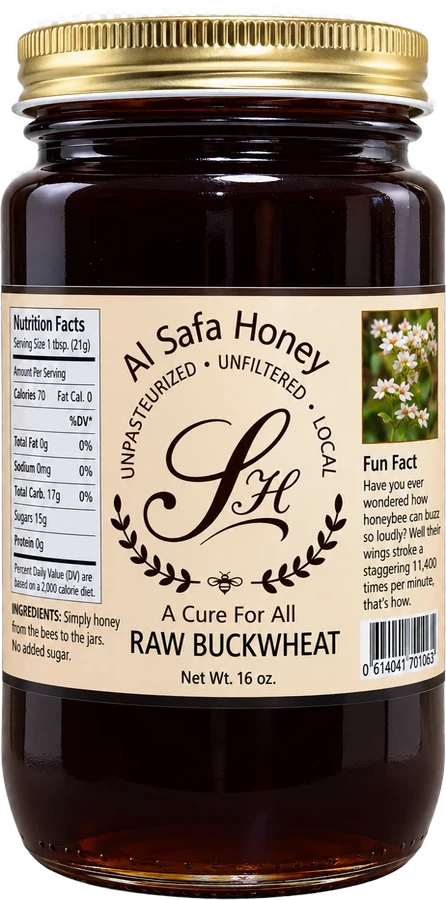
Buying honey from beekeepers helps pay for the mite treatments, queen replacement and care that keep colonies healthy. Our honey comes from a partner farm. Try Raw Wildflower Honey and Raw Buckwheat Honey, harvested in New York State.
The takeaway on colony collapse disorder
Colony collapse disorder alarmed beekeepers in 2006 and 2007, likely caused by combined stresses including mites, viruses, pesticides and poor nutrition. CCD reports have declined, but colony losses remain high, and native bees need help too.
Colony collapse disorder vs normal winter loss
Not every dead colony is colony collapse disorder. A colony that starves leaves dead bees head-first in empty cells. A colony weakened by mites often dwindles slowly over fall, with deformed wings visible on young bees. CCD is defined by the sudden disappearance of adult bees with food and brood left behind. Beekeepers use these clues to understand what went wrong and change their care for next season.
Taste the work of healthy hives
Try a few varieties with the Pure Raw Honey Sampler. Save with a 3 jar or 6 jar pack of any honey, and orders over $50 ship free. Visit our shop.
Sources
Outside health sources we used for this article. They open in a new tab.
- Colony Collapse Disorder · U.S. Environmental Protection Agency
- Honey (annual report) · USDA National Agricultural Statistics Service
- Pollinators Benefit Agriculture · U.S. Fish and Wildlife Service
Frequently asked questions
- What is colony collapse disorder?
- When most worker bees vanish from a hive, leaving the queen and food.
- When did CCD start?
- It was widely reported in the winter of 2006 to 2007.
- What causes CCD?
- Likely a mix of mites, viruses, Nosema, pesticides, transport stress and poor nutrition.
- Is CCD still happening?
- Reported cases have declined substantially, per the EPA.
- Are honey bees going extinct?
- No. Beekeepers rebuild colonies, though losses remain high.
- What is the varroa mite?
- An invasive parasite that spreads viruses in honey bee colonies.
- How can I help bees?
- Plant flowers, avoid spraying blooms and support beekeepers.
Al Safa Honey is a food producer, not a medical provider. Nothing here is medical advice, and these statements have not been evaluated by the Food and Drug Administration. Talk to your doctor about any health concern. Never give honey of any kind to a baby under 12 months old.