Apple Pollination: How Bees and Pollenizers Make Your Apples
Every crisp apple starts as a flower that needed a visit from a bee. Apple pollination depends on cross-pollination: most apple varieties need pollen from a different, compatible variety to set fruit. Honey bees, bumble bees, mason bees and other insects carry that pollen during a short spring bloom. This article explains how apple pollination works, why orchards plant pollenizer trees, how many bee colonies growers use, the role of native bees, and how home gardeners can get better fruit from backyard trees. New York is one of the country's top apple states, so this story is close to home for many of our honeys. For the bigger picture, see honey bee pollination.
For general education only, not medical advice. Our honey is a food and is not intended to diagnose, treat, cure or prevent any disease.
How an apple flower works
Apple blossoms grow in clusters of about five flowers. The center flower, called the king bloom, opens first and often produces the largest fruit. Each flower has five stigmas leading to five chambers in the ovary, and for a well-shaped apple, several of those chambers need fertilized seeds. Poor pollination can lead to small or lopsided fruit.
Why cross-pollination matters
As Virginia Tech fruit entomologists explain, most apple varieties cannot set fruit with their own pollen and need pollen from a compatible variety. Trees closer to a pollenizer generally set better fruit. That is why orchards rarely plant a single variety in a large block.
Pollenizer trees
Growers plant compatible varieties or flowering crabapples throughout the orchard as pollenizers. Crabapples bloom heavily and over a long period, making them excellent pollen sources. The pollenizer must bloom at the same time as the main variety.
- Choose a variety that blooms at the same time
- Make sure it is cross-compatible
- Plant pollenizers throughout the block
- Crabapples are popular pollenizers
How many bees orchards use
Virginia Tech offers these general guidelines:
| Orchard type | Honey bee colonies |
|---|---|
| Most orchards in the region | About 1 per 2 acres |
| Red Delicious blocks | About 1 per 1 to 1.5 acres |
| More than 260 trees per acre | About 1 per acre |
| Very high-density plantings | May need more |
Placing hives in the orchard
Growers place hives in groups of four to eight spread through the orchard so no tree is more than 100 to 150 yards from a group. Hives go in sunny, wind-protected spots, raised off the ground. Colonies should be strong, with at least six frames of brood. Bees are brought in when bloom begins and removed soon after petal fall.
Weather and bloom
Apple bloom lasts only one to two weeks, and spring weather can be cold, wet or windy. Honey bees fly little below about 55°F. Native bumble bees and mason bees fly in cooler weather, making them valuable insurance in chilly springs.
Native bees in apple orchards
Studies in New York and Pennsylvania orchards have found dozens of wild bee species visiting apple blossoms. Mason bees are especially efficient, and some growers install nesting blocks for them. Hedgerows and wildflower strips around orchards support these wild pollinators.
Protecting bees during bloom
Insecticide sprays during bloom can harm bees. Growers coordinate with beekeepers, avoid applying products toxic to bees while flowers are open, and mow flowering weeds under trees before spraying. Following labels and integrated pest management keeps bees safer.
Apple pollination in your backyard
If you have a single apple tree and get little fruit, it may lack a pollenizer. Plant a second compatible variety or a crabapple within about 50 to 100 feet, or graft a pollenizer branch onto your tree. Plant flowers nearby to attract bees, and avoid spraying during bloom.
New York's apple country
New York is among the top apple-producing states, with orchards along the Hudson Valley, Lake Ontario and the Finger Lakes. Each spring, honey bees and wild bees work these orchards before moving on to clover, wildflowers and other summer blooms.
Apples and honey together
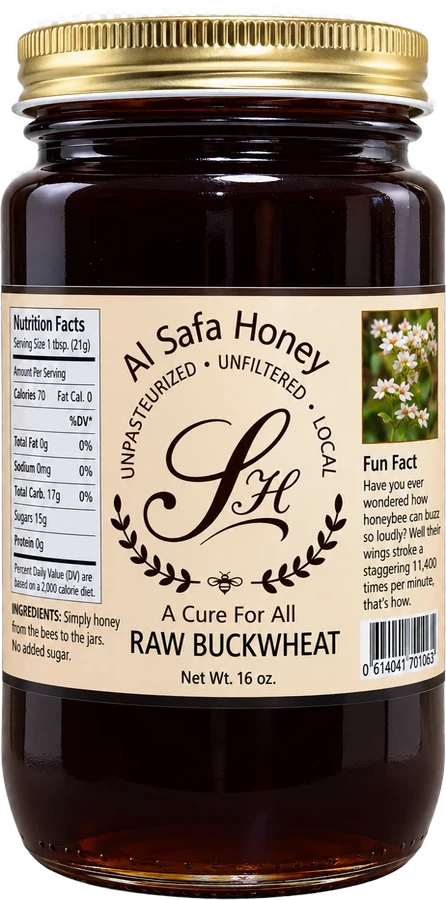
Apples and honey are a natural pairing, from Rosh Hashanah tables to autumn snacks. Our apples and honey guide has serving ideas. Try Raw Buckwheat Honey, harvested in New York State, with tart apples and sharp cheddar.
Why pollination matters for food
The U.S. Fish and Wildlife Service estimates insect pollination adds over $34 billion a year to U.S. crops. Apples are one of the many fruits that depend on it.
The takeaway on apple pollination
Apple pollination depends on cross-pollination between compatible varieties, carried by honey bees and native bees during a short spring bloom. Orchards plant pollenizers and bring in hives; backyard growers need a second variety and bee-friendly flowers.
Hand pollination and pollen dusting
In some regions where wild pollinators have declined, workers hand-pollinate apple blossoms with brushes or feather tools. Some commercial orchards in the United States apply purchased pollen with sprayers or dusters during bloom as a supplement. These methods are labor intensive and show how valuable bees are to apple pollination.
Honey for apple season
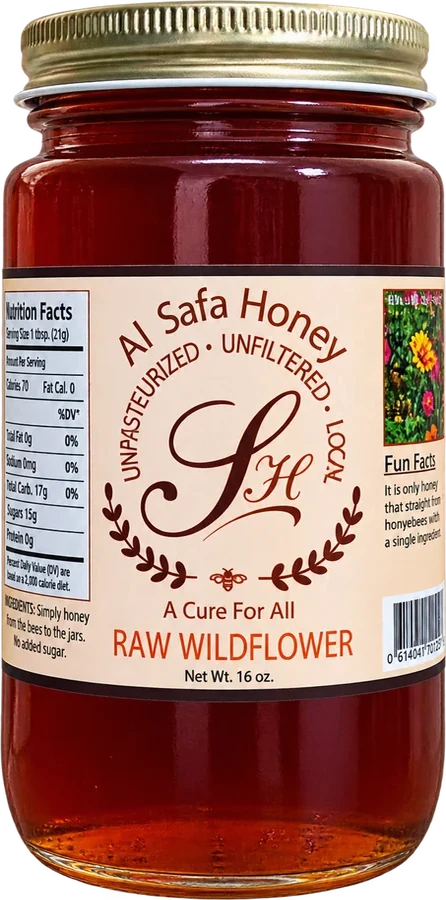
Pair fall apples with Raw Buckwheat Honey or Raw Wildflower Honey, both from New York State. Save with a 3 jar or 6 jar pack of any honey, and orders over $50 ship free. Visit our shop.
Sources
Outside health sources we used for this article. They open in a new tab.
- Apple Pollination Facts · Virginia Tech Fruit Entomology
- Pollinators Benefit Agriculture · U.S. Fish and Wildlife Service
- Bee Basics: An Introduction to Our Native Bees · USDA Forest Service and Pollinator Partnership
Frequently asked questions
- Do apple trees need bees?
- Yes. Most varieties need insects to carry pollen from another variety.
- Can an apple tree pollinate itself?
- Most varieties cannot; they need a compatible pollenizer.
- How many beehives per acre for apples?
- About one per two acres in many orchards, more in high-density blocks.
- What is a king bloom?
- The center flower in an apple cluster, which often makes the largest fruit.
- Do native bees pollinate apples?
- Yes. Mason bees and bumble bees are effective apple pollinators.
- Why does my single apple tree not fruit?
- It may need a compatible pollenizer or crabapple nearby.
- How long does apple bloom last?
- About one to two weeks.
Al Safa Honey is a food producer, not a medical provider. Nothing here is medical advice, and these statements have not been evaluated by the Food and Drug Administration. Talk to your doctor about any health concern. Never give honey of any kind to a baby under 12 months old.