Is Honey Vegan? The Honest Debate and the Best Alternatives
Is honey vegan? By the most widely used definition, no: honey is made by bees, and most vegan organizations exclude all animal products, insects included. But the question gets a surprising amount of thoughtful debate, because bees are not farmed the way cows or chickens are, and pollination ties plant agriculture to beekeeping in ways that are hard to untangle. As a honey brand, we are not neutral, so this guide aims to lay out the arguments fairly, explain why most vegans skip honey, and point to good alternatives for anyone who does.
Is honey vegan? The short definition
The Vegan Society, which coined the word in 1944, defines veganism as a way of living that seeks to exclude, as far as possible and practicable, all forms of exploitation of animals for food, clothing or any other purpose. Bees are animals. Honey is food that bees make for their own colony and that people remove from the hive. On that reading, honey falls outside a vegan diet, and the major vegan certification programs do not approve products that contain it.
That is the answer most people are looking for, and it is the one that applies if you are cooking for a vegan friend or reading a label for a vegan customer. If a recipe or product contains honey, assume a strict vegan will not eat it.
There is a difference, though, between veganism as an ethical commitment and a plant-based diet chosen for health or the environment. Some people in the second group eat honey without contradiction, and some people who call themselves vegan make a personal exception for it. The labels are used loosely in everyday life, which is part of why the question keeps coming up.
Product labels add another wrinkle. Many cereals, granolas, breads, sauces and even some beers contain honey, sometimes in small amounts far down the ingredient list. Packaged foods carrying a vegan certification mark will not include it, which makes the mark a quick shortcut when shopping for someone who avoids honey.
Why most vegans avoid honey
The reasons are not only philosophical. Many vegans point to specific practices in commercial beekeeping that they find hard to accept, even if they vary a great deal between operations.
Supporters of beekeeping would answer many of these points by noting that careful beekeepers leave colonies plenty of honey, that sugar feeding is usually an emergency measure rather than a swap, and that a well-run hive is often healthier than a wild colony fighting disease alone. Both sides are describing real practices; the industry is not uniform.
- Honey is the colony's winter food store, and harvesting takes some of it.
- Some operations replace harvested honey with sugar syrup, which is less nutritious for bees.
- Bees can be crushed or killed during inspections and harvest, even with care.
- Commercial queen breeding often involves artificial insemination and clipping queens' wings.
- Large-scale migratory pollination trucks hives long distances, which stresses colonies.
- Managed honey bees can compete with wild native bees for forage in some areas.
The other side of the debate
Some ethicists and a minority of vegans argue that honey belongs in a gray zone. Insects likely have far simpler experiences than mammals, and a beekeeper's goal is a thriving colony, since a weak hive makes no honey. Compared with crop farming, where field harvest and pest control kill vast numbers of insects and small animals, a backyard hive may cause less harm per calorie of food.
Pollination complicates things further. Almonds, apples, blueberries, cherries, squash and many other plant foods depend partly or heavily on managed honey bee colonies. Avoiding honey does not take you out of that system, which leads some people to conclude that drawing the line at the jar itself is more symbolic than practical. Others answer that symbols matter, and that avoiding direct products is the practicable line veganism asks for.
Environmental arguments cut both ways as well. Honey travels well and needs no refrigeration, and a hive kept in one place has a small footprint. On the other hand, imported syrups like agave and maple also have their own environmental costs, from irrigation to transport, so no sweetener is free of tradeoffs.
There is no knockout argument here. Thoughtful people land in different places, and the most useful thing is to know why you land where you do, and to respect that others weigh it differently.
Vegan alternatives to honey
If you avoid honey, several plant-based syrups do most of its jobs. None tastes exactly like honey, and each behaves a little differently in recipes, so the right swap depends on what you are making.
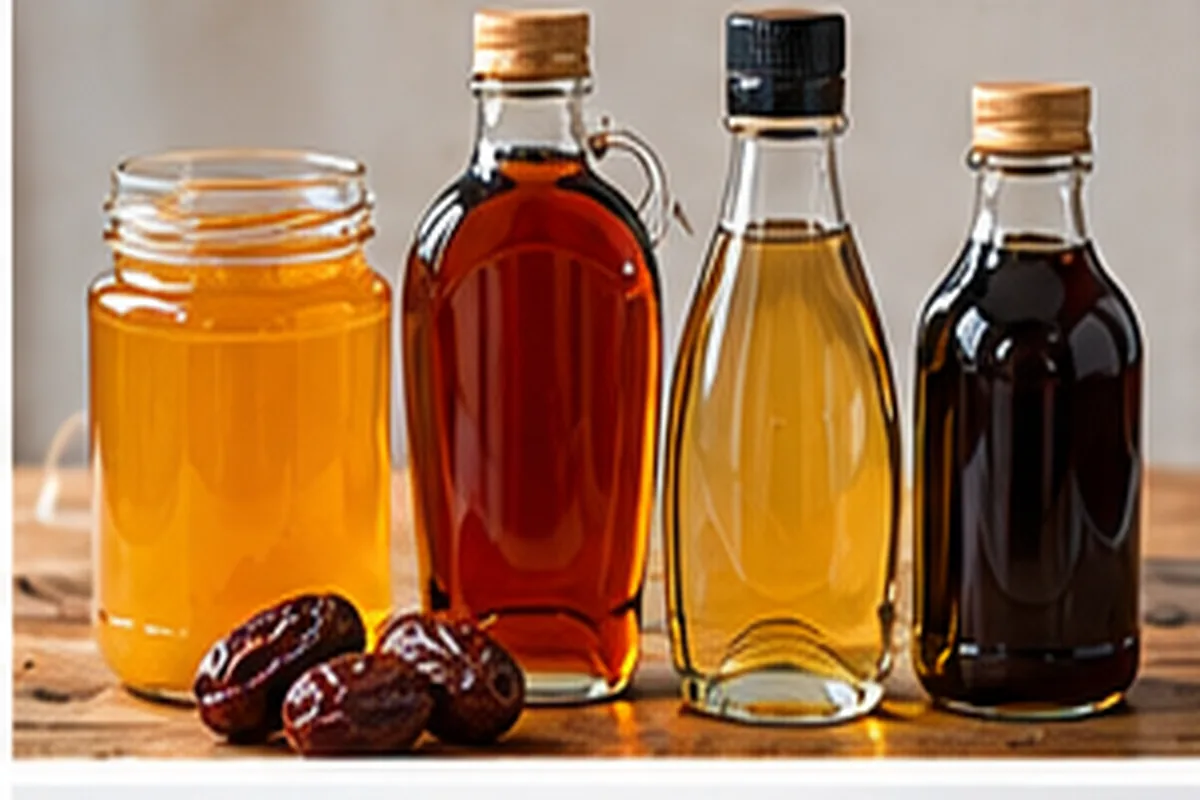
For drizzling and tea, maple syrup and agave are the easiest. For baking, maple and date syrup add moisture and browning similar to honey. For sticky glazes and granola clusters, brown rice syrup holds things together well. Many stores also sell vegan honey products made from apple, cane sugar or flowers; quality varies, so taste before buying in bulk.
| Alternative | Taste | Texture | Best for |
|---|---|---|---|
| Maple syrup | Woody, caramel | Thinner than honey | Pancakes, baking, dressings |
| Agave syrup | Neutral, very sweet | Thin, pourable | Cold drinks, tea, cocktails |
| Date syrup | Fruity, caramel, rich | Thick | Baking, oatmeal, tahini drizzles |
| Brown rice syrup | Mild, malty | Very thick and sticky | Granola, bars, glazes |
| Golden syrup | Buttery, mild | Thick | British baking, flapjacks |
| Barley malt syrup | Strong malt | Thick | Bread, bagels, dark baking |
How to swap honey in recipes
Honey is sweeter than sugar and heavier than most syrups, so a one-to-one swap does not always work. In most baked goods you can replace honey with an equal amount of maple or date syrup and expect a similar result, though maple may make the crumb a little drier. Agave is sweeter than honey, so use about three quarters as much.
For dressings, sauces and drinks, any of the syrups can replace honey measure for measure; just taste and adjust. When a recipe relies on honey's thickness, as in a glaze that has to cling to roasted vegetables, reduce maple syrup briefly in a pan or use brown rice syrup. And if you are hosting, read labels: honey shows up in graham crackers, granola, some breads, cereals, beer and many sauces.
- Baking: maple or date syrup, 1 to 1.
- Sweetening tea: agave at 3/4 the amount, or maple 1 to 1.
- Glazes: brown rice syrup or reduced maple syrup.
- Dressings: maple or agave, 1 to 1, adjust to taste.
If you do eat honey: choosing more thoughtfully
Many people who eat mostly plant-based still enjoy honey and want it to come from beekeeping they feel good about. The questions worth asking are about the beekeeper rather than the label: Do they leave enough honey for winter? Do they only feed sugar when a colony would otherwise starve? Do they keep bees in one region rather than trucking them across the country?
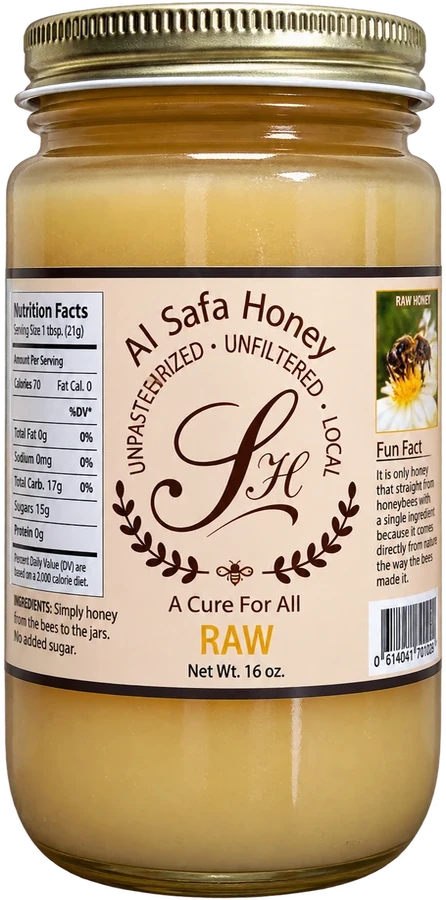
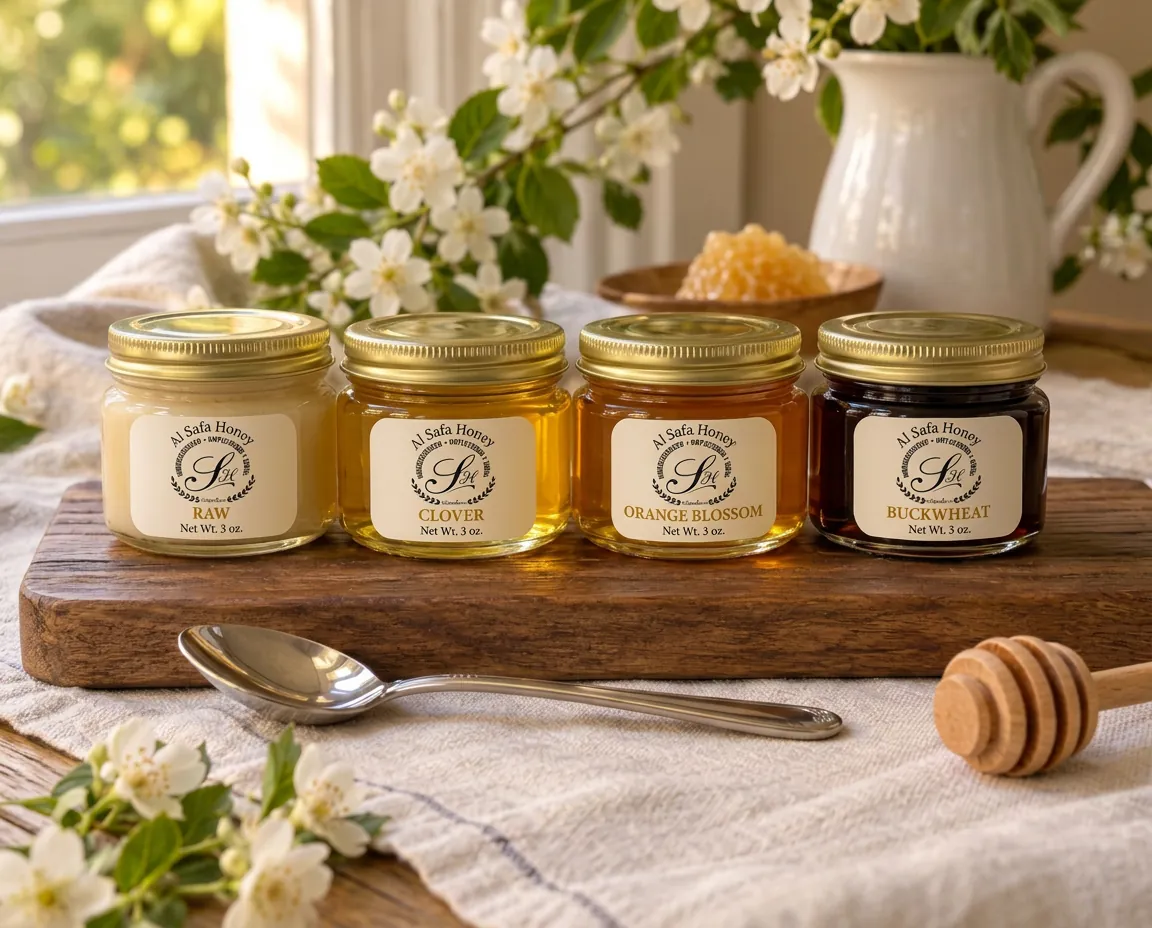
Al Safa Honey is a honey brand, not a farm; our jars come from partner beekeepers, and our honey is raw and unpasteurized with nothing added. We will not claim our honey is vegan, because it is not. What we can say is that we would rather you choose honey deliberately, or choose a good alternative deliberately, than buy anything by default.
Whatever you decide, the conversation tends to go better when it starts from curiosity rather than judgment. A vegan friend who declines honey is acting on a considered principle, and a honey lover who supports careful beekeepers is acting on one too. Both care about animals and the land; they simply weigh the tradeoffs differently.
Frequently asked questions
- Do vegans eat honey?
- Most do not, because honey is an animal product. A small number of people who follow a mostly plant-based diet include it, and some describe themselves as beegans, but that is an informal label.
- Is honey vegetarian?
- Yes. Vegetarians avoid meat and the bodies of animals but generally eat animal products such as milk, eggs and honey. Most vegetarian traditions and labels treat honey as acceptable.
- Does harvesting honey hurt bees?
- It can, depending on the beekeeper. Some bees are often killed during handling, and taking too much honey can leave a colony short of food. Careful beekeepers minimize both, but no harvest is entirely harm-free.
- What is the closest vegan substitute for honey?
- In flavor and texture, a thick date syrup or a commercial vegan honey comes closest. For most everyday uses, maple syrup is the most practical swap because it is easy to find and works in both cooking and baking.
- Is beeswax vegan?
- No. Beeswax is made by bees and is excluded by most vegan standards for the same reasons as honey. Candelilla, carnauba and soy waxes are common plant-based replacements.
Al Safa Honey is a food producer, not a medical provider. Nothing here is medical advice. Never give honey of any kind to a baby under 12 months old.