Honey vs Agave: Nutrition, Taste and Which Sweetener to Use
Honey vs agave is a common question for anyone trying to cut back on white sugar, because both are liquid, both are sold as natural, and both sit next to each other on the shelf. They are made in very different ways, though, and they behave differently in your body and in your kitchen. Here is a clear comparison so you can choose the right one for your coffee, your baking and your diet.
How honey and agave are made
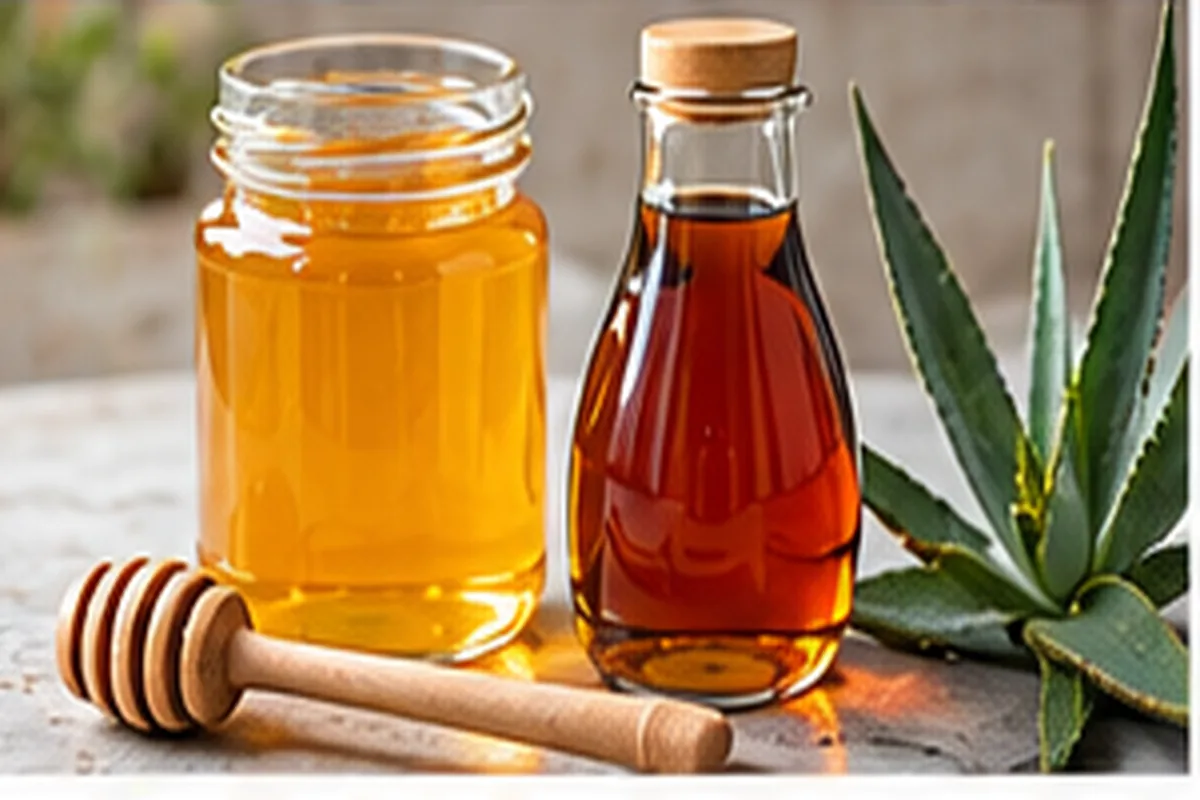
Honey is made by bees. They collect flower nectar, add enzymes and evaporate the water inside the hive until the honey is thick enough to store. A raw honey reaches you after it is spun from the comb and strained, with nothing added.
Agave syrup, often called agave nectar, comes from the agave plant, mostly the blue agave grown in Mexico. The plant's core is harvested and its juice is heated or treated with enzymes to break down a carbohydrate called inulin into simple sugars, mostly fructose. The juice is then filtered and concentrated into syrup.
So while both are marketed as natural, agave syrup involves more processing to become a sweetener, and its final sugar profile is largely set by that processing.
Neither process makes one inherently good or bad, but it helps explain the flavor difference. Honey carries the character of its flowers, while agave syrup is engineered to be a clean, consistent sweetener.
Honey vs agave nutrition
Calories are close. A tablespoon of honey has about 64 calories, and a tablespoon of agave syrup has roughly 60. The real difference is in the type of sugar.
Honey's sugars are roughly balanced between fructose and glucose, with fructose slightly ahead. Agave syrup is mostly fructose, often making up the large majority of its sugars. That high fructose content is why agave tastes so sweet and why its effect on blood sugar looks different on paper.
Neither sweetener is a meaningful source of vitamins or minerals at the amounts people eat. Raw honey does carry small amounts of pollen, enzymes and polyphenols, especially in darker varieties, but these are a bonus for flavor and character rather than a reason to eat more.
| Per tablespoon | Honey | Agave syrup |
|---|---|---|
| Calories | About 64 | About 60 |
| Main sugars | Fructose and glucose, roughly balanced | Mostly fructose |
| Glycemic index | Moderate, varies by honey | Low, often cited well below honey |
| Sweetness vs table sugar | Somewhat sweeter | Noticeably sweeter |
| Other compounds | Small amounts of enzymes, polyphenols, pollen if raw | Very little beyond sugar |
| Vegan | No | Yes |
Glycemic index: is agave better for blood sugar?
Agave's low glycemic index is its main selling point. The glycemic index measures how quickly a food raises blood glucose, and fructose raises it slowly because the liver processes most of it before it reaches the bloodstream. So a fructose-heavy syrup scores low.
That does not make agave a health food. Large amounts of added fructose are processed mainly by the liver, and nutrition experts generally advise limiting added sugars of every kind, whatever their glycemic index. The American Heart Association groups honey, agave and table sugar together as added sugars.
If you have diabetes, treat both as sugar, count them in your carbohydrate plan, and ask your doctor or dietitian which, if either, fits best. A lower glycemic index on a label is not a license to use more.
Honey's glycemic index also varies with the flower source. Honeys higher in fructose, such as acacia, tend to score lower than honeys higher in glucose, but every honey still counts as sugar in a meal plan.
Taste, texture and the vegan question
Agave syrup is thin and very neutral. Light agave tastes simply sweet; amber and dark agave have a faint caramel note. That neutrality is useful in cocktails and cold drinks, where it dissolves easily and stays out of the way.
Honey is thicker and much more varied. A pale clover honey tastes gently floral, an orange blossom honey smells of citrus, and a buckwheat honey tastes like malt and molasses. Honey adds its own flavor, which is a plus in tea, dressings and baking and a minus when you want pure sweetness.
For vegans, agave is the obvious choice, since honey is an animal product. Many vegans avoid honey for that reason, while some plant-based eaters make their own call. Our guide on whether honey is vegan covers the debate.
If you are cooking for both vegans and honey lovers, a practical approach is to sweeten the base with agave and offer honey at the table. That keeps the dish plant-based while letting others add honey to taste.
Swapping honey and agave in recipes
The two can usually stand in for each other, with a few adjustments. Agave is sweeter and thinner, and honey browns faster in the oven.
For baking, honey's acidity can also affect rise. If you swap honey into a recipe written for agave or sugar, add a pinch of baking soda, about a quarter teaspoon per cup of honey, to balance it.
- Agave for honey: use about the same amount, or slightly less, since agave tastes sweeter.
- Honey for agave: use the same amount; expect a thicker texture and more flavor.
- Either for sugar in baking: use about three quarters of a cup per cup of sugar, cut other liquid by about a quarter cup and lower the oven by 25 degrees Fahrenheit.
- Cold drinks: agave mixes in easily; for honey, make a quick syrup of equal parts honey and warm water first.
- Dressings and glazes: honey thickens and clings better, so it is the stronger choice for vinaigrettes and roasts.
Cost, storage and shelf life
Agave syrup is usually cheaper than raw honey, partly because it is made in large industrial volumes from a cultivated plant. Raw honey depends on weather, bloom and bees, and good single-flower honeys are harvested in limited amounts each season.
Both keep well in the pantry. Honey's low moisture and natural acidity let it last for years in a sealed jar, and it may crystallize along the way, which is normal and reversible with gentle warming. Agave syrup stays liquid and is best used within the time printed on the bottle once opened.
In the kitchen, honey's thickness is a plus for drizzling over yogurt or toast, because it stays where you put it. Agave's thin pour is better for quick mixing into cold drinks and batters. Many cooks keep both and reach for whichever suits the job.
Whichever you buy, store it with the lid tight and wipe the rim after pouring, so the cap does not stick and the syrup stays clean.
Which should you choose?
Choose agave if you eat a vegan diet or want the most neutral sweetness for cocktails and iced drinks. Choose honey if you want flavor, a thicker texture for drizzling, and a less processed sweetener, especially in raw form.
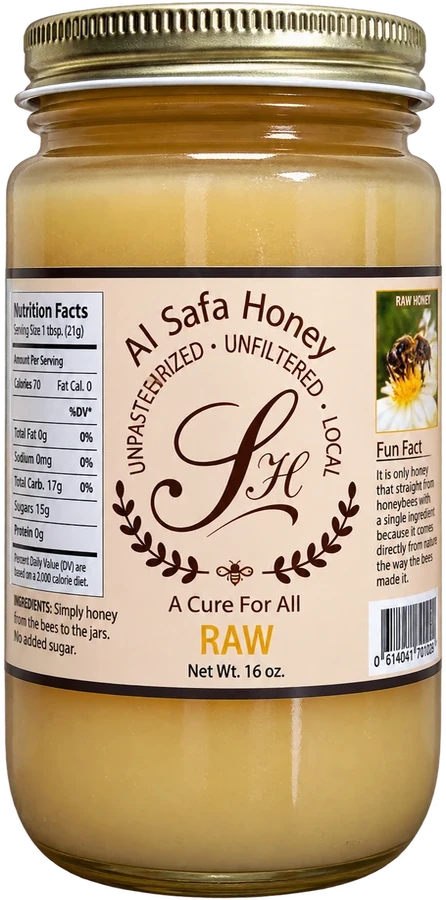
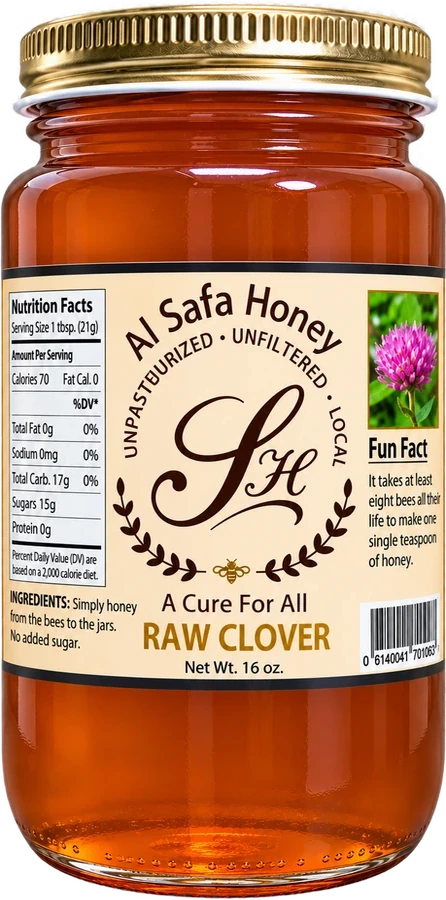
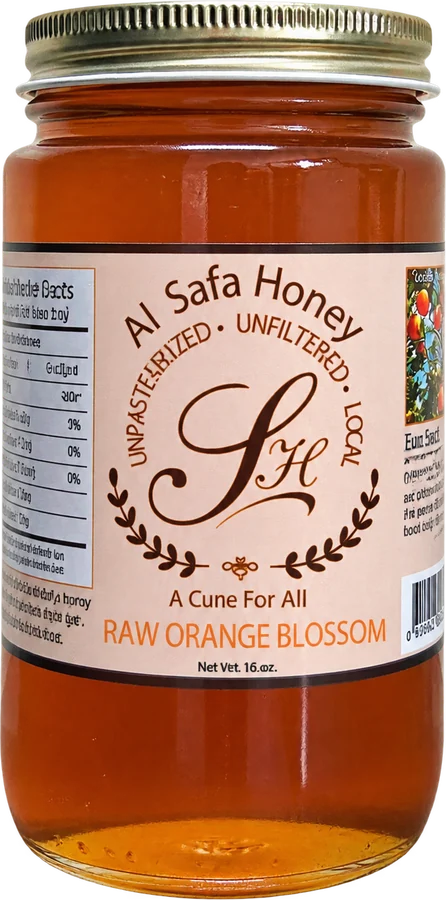
Our everyday pick for drinks and cooking is Pure Raw Honey, harvested in New York State. If you want a honey closer to agave's mildness, Raw Clover Honey is our lightest and gentlest jar, and Raw Orange Blossom Honey from Florida adds a bright note to iced tea. Keep honey away from babies under 12 months, and count either sweetener toward your daily added sugar.
Frequently asked questions
- Is agave healthier than honey?
- Not clearly. Agave has a lower glycemic index, but it is higher in fructose and more processed. Both count as added sugar, so the healthier choice is usually just using less of either.
- Does agave taste like honey?
- Not really. Agave tastes clean and simply sweet, a bit like a thin simple syrup, while honey has floral, fruity or malty flavors depending on the flower source.
- Can I use agave instead of honey in tea?
- Yes. Agave dissolves easily and will not change the tea's flavor much. Use slightly less than you would honey, since agave tastes sweeter.
- Which is better for baking, honey or agave?
- Both work. Honey adds more flavor and moisture and browns faster, so lower the oven temperature slightly. Agave gives a more neutral taste and a slightly softer texture.
- Can babies have agave instead of honey?
- Health bodies advise against added sugars of any kind for babies and toddlers. Honey specifically must never be given to babies under 12 months because of botulism risk.
- Is agave nectar raw?
- Some agave syrups are sold as raw, meaning they were processed at lower temperatures, but all agave syrup has to be heated or treated with enzymes to turn the plant's starches into sugar. It is processed in a way raw honey is not.
Al Safa Honey is a food producer, not a medical provider. Nothing here is medical advice. Never give honey of any kind to a baby under 12 months old.