Honeyguide Bird: The Wild Partner That Leads People to Honey
In parts of Africa, people and a wild bird work together to find honey. The greater honeyguide, Indicator indicator, flies up to honey hunters, chatters to get their attention and leads them through the bush to a wild bees' nest. The hunters open the nest, take the honey and leave the wax behind for the bird, which is one of the few birds that can digest beeswax. Scientists consider it one of the most remarkable examples of cooperation between humans and a wild animal. This article explains how the honeyguide bird partnership works, the special calls hunters use, what research has found, and why this ancient relationship is under threat. For another honey tradition, see honey hunting.
For general education only, not medical advice. Our honey is a food and is not intended to diagnose, treat, cure or prevent any disease.
Meet the greater honeyguide
The greater honeyguide is a small, plain brown and white bird found across sub-Saharan Africa. It eats beeswax, bee eggs and larvae. Wild bees in Africa often nest inside trees, where the bird cannot reach. By guiding people with axes and smoke to those nests, the bird gets access to the wax once the hunters have taken the honey.
How guiding works
A honeyguide approaches people with a distinctive chattering call and flies from tree to tree, stopping to make sure they follow. As it nears the nest, its flights get shorter and it may perch and call near the tree. Hunters smoke the bees, open the nest and take the honeycomb, then leave wax for the bird.
- Bird approaches and chatters
- Hunters follow from tree to tree
- Bird stops near the nest
- Hunters smoke bees and harvest honey
- Bird eats the leftover wax
The brrr-hm call
In Mozambique's Niassa National Reserve, Yao honey hunters use a special call, a trill followed by a grunt, written as brrr-hm, to tell honeyguides they are ready to follow. Hunters learn the call from their fathers. The AAAS summarized a 2016 study in Science by Claire Spottiswoode of the University of Cambridge and colleagues that tested the call.
What the experiment found
The researchers played recordings of the brrr-hm call and control sounds while walking in the reserve. The results showed that honeyguides respond specifically to the traditional call.
| Measure | Control sounds | Brrr-hm call |
|---|---|---|
| Chance of being guided | 33% | 66% |
| Chance of being shown a nest | 16% | 54% |
Different calls in different places
Later research by the same team found that Hadza hunters in Tanzania use a melodic whistle instead, and honeyguides in each region respond best to their local human call, a kind of cultural dialect shared by birds and people. The University of Cape Town has described how this cooperation depends on both human and bird traditions.
How old is the partnership
No one knows exactly, but some scientists think it may be very ancient, possibly dating back to when early humans first controlled fire and could smoke bees. It is one of the few known cases of a wild animal and humans cooperating with mutual benefit and without training.
Honeyguides and other animals
A popular story says honeyguides also lead honey badgers to nests, but scientists have found little solid evidence for that. The well-documented partnership is with people.
Folklore and respect
In many African cultures, there is a tradition of leaving wax for the honeyguide as thanks. Some stories warn that if you fail to reward the bird, it will next time lead you to a dangerous animal instead of honey. These stories encourage respect for the partnership.
A threatened tradition
As sugar becomes widely available and rural lifestyles change, fewer people hunt honey with honeyguides. In some areas, the practice is fading, and with it the birds' guiding behavior. Researchers are working with communities to document and support these traditions.
Honeyguide behavior as a young bird
Honeyguides are brood parasites, laying eggs in other birds' nests, so they are not raised by their own parents. Scientists believe young birds learn guiding from experience and interaction with people, which makes the role of human calls even more important.
What it tells us about honey
The honeyguide story shows how valuable wild honey has been to people for a very long time. Before beekeeping, finding a nest meant a rare, energy-rich feast. Our honey hunting article explores other ancient ways people gathered honey.
Honey from managed bees
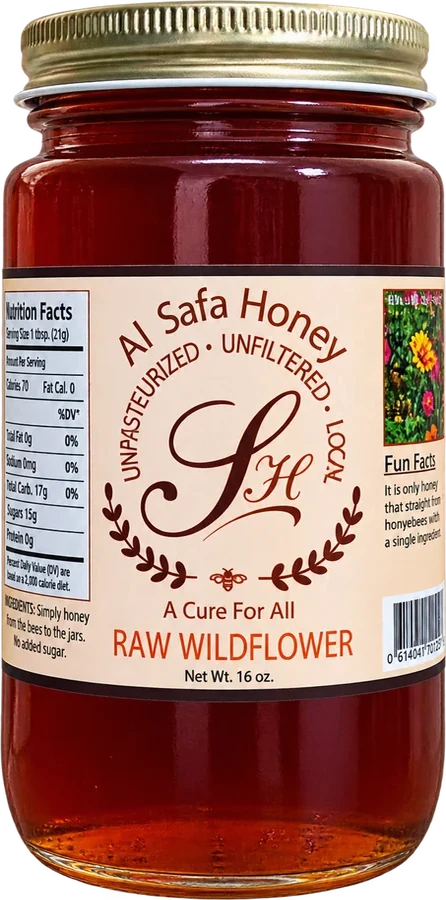
Today, most honey comes from beekeepers, not wild nests. Our honey comes from a partner farm. Taste Raw Wildflower Honey, harvested in New York State, for a mixed-blossom honey similar in spirit to wild honey.
The takeaway on the honeyguide bird
The honeyguide bird leads people to wild bees' nests in exchange for wax, guided by special calls that differ by region. Science has confirmed the partnership, which is now fading in some areas.
How the bird finds the nests
Scientists still debate exactly how a honeyguide knows where a nest is. Field observations suggest the birds scout their territory and remember the trees where bees live, sometimes visiting a nest early in the morning before they go looking for people. The bird then leads hunters back by a fairly direct route. This memory for nest locations is part of what makes the honeyguide bird such a reliable partner.
Watching honeyguides responsibly
Birders visiting southern and eastern Africa sometimes hear honeyguides chattering. If you follow one with a local guide, leave the bees undisturbed unless you are with experienced hunters, and never harm the bird.
Taste wild-style honey
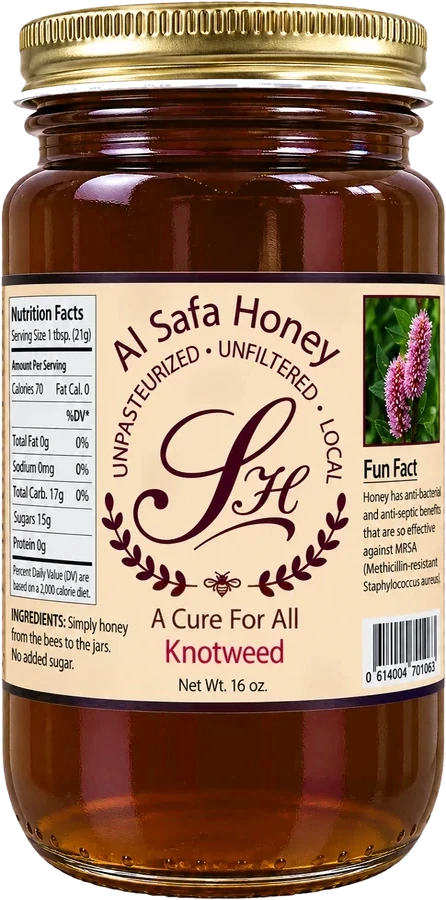
Try Raw Wildflower Honey or Raw Knotweed Honey from North Dakota. Save with a 3 jar or 6 jar pack of any honey, and orders over $50 ship free. Visit our shop.
Sources
Outside health sources we used for this article. They open in a new tab.
- Science: A Sweet Example of Human and Wild Animal Collaboration · American Association for the Advancement of Science
- How humans and wild birds collaborate to get precious resources of honey and wax · University of Cape Town
- Honey: nutrient profile · USDA FoodData Central
Frequently asked questions
- What is a honeyguide bird?
- An African bird that leads people to wild bees' nests.
- What does the honeyguide get in return?
- Beeswax and bee larvae left after the honey is taken.
- What is the brrr-hm call?
- A trill and grunt used by Yao honey hunters in Mozambique to recruit honeyguides.
- Does the call work?
- Yes. It doubled the chance of being guided in a 2016 study.
- Do honeyguides lead honey badgers?
- There is little solid evidence for this popular story.
- Where do honeyguides live?
- Across sub-Saharan Africa.
- Is the tradition disappearing?
- In some areas, as fewer people hunt wild honey.
Al Safa Honey is a food producer, not a medical provider. Nothing here is medical advice, and these statements have not been evaluated by the Food and Drug Administration. Talk to your doctor about any health concern. Never give honey of any kind to a baby under 12 months old.