Honey in Hindu Tradition: Madhu, Panchamrita and Sacred Rites
Honey in Hindu tradition carries deep meaning. In the Vedas, madhu, the Sanskrit word for honey, stands for sweetness, bliss and the essence of things. Honey is one of the five nectars of panchamrita offered to deities, part of the madhuparka welcome offered to honored guests and bridegrooms, and present in rites of passage across a lifetime. This article explores honey in Vedic texts, panchamrita and temple worship, weddings and hospitality, regional customs, and how modern families balance tradition with today's health advice. For Ayurvedic ideas about honey, see honey in Ayurveda.
For general education only, not medical advice. Our honey is a food and is not intended to diagnose, treat, cure or prevent any disease.
Madhu in the Vedas
The Rig Veda, one of the oldest sacred texts in the world, includes hymns asking that the winds, rivers, plants, nights and dawns be full of sweetness, using the word madhu again and again. The Brihadaranyaka Upanishad contains the Madhu Vidya, the Honey Doctrine, which teaches that all beings are like honey to one another, each the essence of the other. Honey thus became a symbol of the interconnected sweetness of existence.
Panchamrita: the five nectars
Panchamrita, meaning five nectars, is made from honey, sugar, milk, curd and ghee, as summarized by Wikipedia. It is offered to deities during puja and used in abhisheka, the ritual bathing of a murti, then shared with devotees as prasad. Each ingredient carries symbolic meaning, and honey is often linked with sweet speech and unity.
| Ingredient | Common symbolic meaning |
|---|---|
| Milk | Purity |
| Curd | Prosperity |
| Ghee | Strength and victory |
| Honey | Sweet speech and unity |
| Sugar | Happiness |
Regional panchamrita
Recipes vary by region. In Tamil Nadu, panchamritam is made with banana, ghee, honey, jaggery and cardamom, sometimes with dates and sugar candy. The panchamritam of the Palani temple received a Geographical Indication tag in 2019. In Kerala, tender coconut may be added.
Making panchamrita at home
A simple home version mixes about one cup of milk, two tablespoons of curd, one tablespoon of honey, one teaspoon of ghee and one tablespoon of sugar, sometimes with tulsi leaves. It is offered during puja and then shared. Families follow their own customs for proportions.
- 1 cup milk
- 2 tablespoons curd
- 1 tablespoon honey
- 1 teaspoon ghee
- 1 tablespoon sugar, tulsi leaves
Madhuparka: the honey welcome
Madhuparka is an ancient offering of honey mixed with curd and ghee given to honored guests. In traditional Hindu weddings, the bride's family offers madhuparka to the groom when he arrives, a gesture of welcome and respect. Guests were once welcomed this way as if receiving the divine.
Honey in rites of passage
Traditional texts describe a birth ceremony, jatakarma, in which a newborn's lips were touched with honey and ghee with a golden spoon, with prayers for wisdom. Modern pediatric guidance is clear that babies under 12 months should not be given honey because of infant botulism, as the CDC advises. Many families now perform the rite symbolically without the baby tasting honey, or use a safe substitute, and priests often accommodate this.
Honey in temple worship
Honey abhisheka is performed for many deities, especially Shiva, Vishnu and Murugan. On festivals like Maha Shivaratri, devotees pour milk, curd, honey and other offerings over the Shiva lingam. The honey is later shared or used in prasad.
Honey and sweetness of speech
Many Hindu prayers ask for madhu in speech, that one's words be sweet like honey. Children are taught that kind words are like honey. This links honey to both the body and the spirit.
Honey in Hindu kitchens
While jaggery and sugar are more common in Indian sweets, honey is used in drinks like warm water with lemon and honey, in some sweets, and on festival tables. Our article on honey vs jaggery compares the two sweeteners.
Choosing pure honey for puja
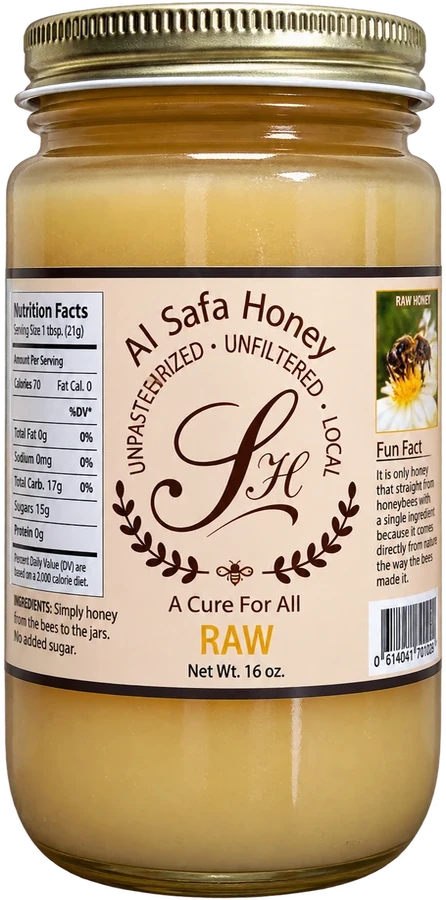
Many families prefer pure honey with nothing added for offerings. Raw honey that has not been heated keeps its natural aroma. Al Safa means purity in Arabic, and our honeys are raw and never heated above hive temperature.
Honey in other Indian traditions
Honey also appears in Jain, Buddhist and Sikh contexts in different ways. Some Jains avoid honey out of concern for harming bees, reflecting the principle of ahimsa. Practices vary widely by community.
A honey for your puja
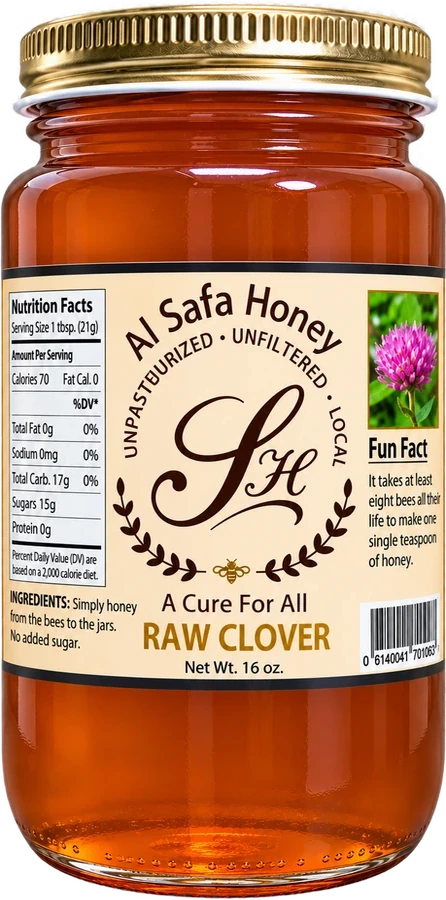
For panchamrita, a mild honey lets the milk and ghee shine. Raw Clover Honey, harvested in New York State, is gentle and clean. Pure Raw Honey, also from New York State, is never heated.
The takeaway on honey in Hindu tradition
Honey in Hindu tradition symbolizes sweetness, unity and spiritual essence, from the Madhu Vidya of the Upanishads to panchamrita, madhuparka and temple abhisheka. Today, families honor these rites while following modern safety advice for infants.
Honey on Hindu festival tables
During festivals such as Janmashtami, families prepare panchamrita and sweets for Krishna, who is remembered for loving butter and milk. On Guru Purnima and during Navaratri, honey may join offerings of fruit and flowers. In temples across South India, devotees bring honey in small bottles or pots as an offering, and some temples later share it with visitors. These everyday customs keep honey in Hindu tradition alive in homes as well as temples.
Respecting family practice
Customs differ widely by region, caste, sect and family. Ask an elder or priest which honey offerings your family follows, and adapt recipes to suit modern health advice.
Pure honey for sacred moments
Choose Pure Raw Honey or Raw Clover Honey for puja and festivals. Save with a 3 jar or 6 jar pack of any honey, and orders over $50 ship free. Visit our shop.
Sources
Outside health sources we used for this article. They open in a new tab.
- Panchamrita · Wikipedia
- Foods and Drinks to Avoid or Limit (infants and toddlers) · Centers for Disease Control and Prevention
- Honey: nutrient profile · USDA FoodData Central
Frequently asked questions
- What is madhu?
- The Sanskrit word for honey, also meaning sweetness.
- What is panchamrita?
- A sacred mix of milk, curd, ghee, honey and sugar offered in worship.
- What is madhuparka?
- Honey mixed with curd and ghee, offered to honored guests and grooms.
- What is the Madhu Vidya?
- An Upanishadic teaching that all beings are like honey to one another.
- Is honey given to newborns in Hindu rites?
- Traditionally, but modern advice is no honey under 12 months; many families do it symbolically.
- Which deities receive honey abhisheka?
- Shiva, Vishnu, Murugan and others.
- Do all Indian traditions use honey?
- No. Some Jains avoid honey.
Al Safa Honey is a food producer, not a medical provider. Nothing here is medical advice, and these statements have not been evaluated by the Food and Drug Administration. Talk to your doctor about any health concern. Never give honey of any kind to a baby under 12 months old.