Honey in Medieval Europe: Skeps, Mead and Church Candles
Honey in medieval Europe was the main sweetener for most people, the base of mead, and a treasured ingredient in spiced cakes and sauces. Just as important was beeswax: churches needed huge quantities for candles, making wax one of the most valuable products of the countryside. Peasants kept straw skeps in their gardens, forest beekeepers in Eastern Europe climbed tall trees to tend wild colonies, and monasteries ran apiaries. This article explores medieval beekeeping, the wax economy, honey in food and drink, laws and folklore, and how sugar eventually changed everything. For the Roman roots, see honey in ancient Rome.
For general education only, not medical advice. Our honey is a food and is not intended to diagnose, treat, cure or prevent any disease.
Skeps and the peasant beekeeper
The classic medieval hive was the skep, a dome-shaped basket of coiled straw or woven wicker plastered with mud and dung. Skeps sat in bee boles, niches in garden walls, or on stands under shelters. Harvesting often meant killing the colony with sulfur smoke, so beekeepers chose which hives to harvest and which to keep for the next year.
The wax economy
Historian Alex Sapoznik, writing for the Economic History Society, explains that beeswax candles were required for the Mass, and demand grew as worship became more elaborate. In England, wax made up about half the running cost of major chapels, and in parish churches it was the most expensive single item apart from the building and bells.
| Fact | Detail |
|---|---|
| Main use of wax | Church candles for the Mass |
| Share of chapel running costs | About half in major English institutions |
| Imports | Baltic wax through Hanseatic trade |
| Share met by imports before 1475 | About one fifth |
| Main domestic source | Hundreds of thousands of peasant skeps |
Forest beekeeping
In Poland, Russia, Lithuania and Germany, forest beekeepers called bartnicy or Zeidler carved cavities high in living trees for wild bee colonies, then climbed with ropes to harvest honey and wax. Their rights were protected by law and guilds. Forest beekeeping still survives in parts of Poland and the Ural Mountains.
Monasteries and bees
Monasteries kept bees for wax candles and honey, and monks copied ancient texts on beekeeping. The bee was praised in Christian writing as a model of hard work and purity. The Exultet, sung at the Easter Vigil, includes praise for the mother bee that made the candle's wax.
Mead and honey drinks
Mead, fermented honey and water, was drunk across northern Europe, especially in Scandinavia, the British Isles, Poland and Russia. Variations included metheglin, spiced mead, and braggot, made with malt. Our what is mead guide explains the drink.
- Mead: honey and water
- Metheglin: spiced mead
- Braggot: mead with malt
- Melomel: mead with fruit
Honey in medieval food
Honey sweetened gingerbread, spiced cakes, fruit preserves and sauces for meat and fish. Medieval cooks loved sweet-sour flavors with honey, vinegar and spices like pepper, ginger and saffron. Honey glazed roast meats at feasts. Our article on honey holiday baking traces gingerbread and lebkuchen from this tradition.
Laws about bees
Medieval laws addressed who owned a swarm that flew onto a neighbor's land, how hives could be protected from theft, and how much tax was owed in honey and wax. Irish Brehon laws included a section called Bechbretha, Bee Judgments, dealing with bee stings and swarms.
Folklore and telling the bees
In England and elsewhere, families practiced telling the bees: informing hives of births, marriages and deaths, sometimes draping hives in black for mourning. People believed offended bees might leave or stop producing honey. Swarm charms, spoken verses to settle swarms, survive from Anglo-Saxon times.
Honey and medieval medicine
Medieval herbals included honey in many remedies, often mixed with herbs, wine or vinegar as oxymel. These ideas were based on ancient theories rather than science. Our article on the history of honey in medicine explains more.
Sugar arrives
Cane sugar reached Europe through trade with the Islamic world and became more common after the 15th century, especially as plantations expanded in the Atlantic. As sugar became cheaper, honey lost its place as the main sweetener. The Reformation in some regions also reduced demand for church candles.
Medieval legacy
Skeps remained common until movable-frame hives spread in the 19th century. Mead is enjoying a revival. Gingerbread, honey cakes and honey-glazed meats on holiday tables carry medieval traditions forward.
A medieval-inspired honey table
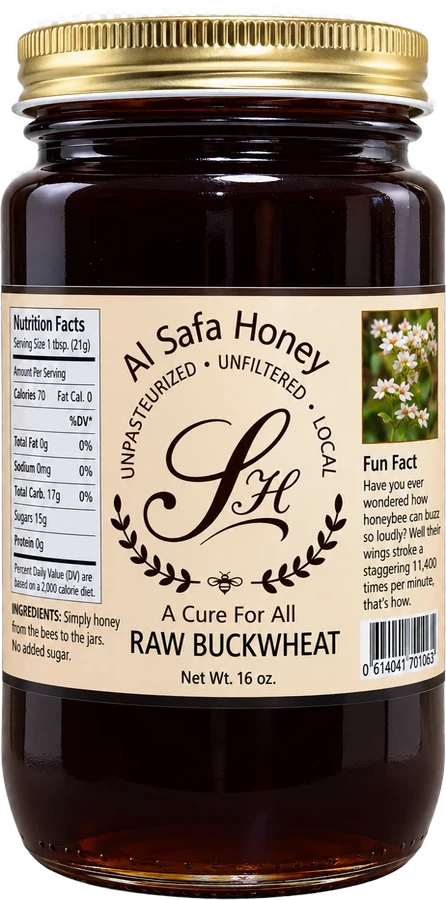
Serve dark bread, aged cheese, roasted nuts and Raw Buckwheat Honey, harvested in New York State, whose malty flavor recalls medieval spiced honeys. Buckwheat was itself a common crop in medieval Eastern Europe.
The takeaway on honey in medieval Europe
Honey in medieval Europe sweetened food and mead, while wax lit churches and drove a major rural economy. Peasant skeps, forest beekeepers and monasteries produced it, until sugar changed Europe's sweet tooth.
Honey prices and trade
Honey and wax were taxed, traded and paid as rent. Manor records show tenants owing landlords set amounts of honey each year, and towns held markets where honey was sold by the gallon or barrel. Wax traveled further, shipped from Baltic forests and the Slavic lands to the cities of Flanders, England and Italy. Honey in medieval Europe was therefore both a household food and a commodity that linked distant economies.
Women and medieval beekeeping
Records and art show women tending skeps alongside men, especially on smallholdings, where bees were one of several household incomes along with poultry and dairy.
Taste a medieval favorite
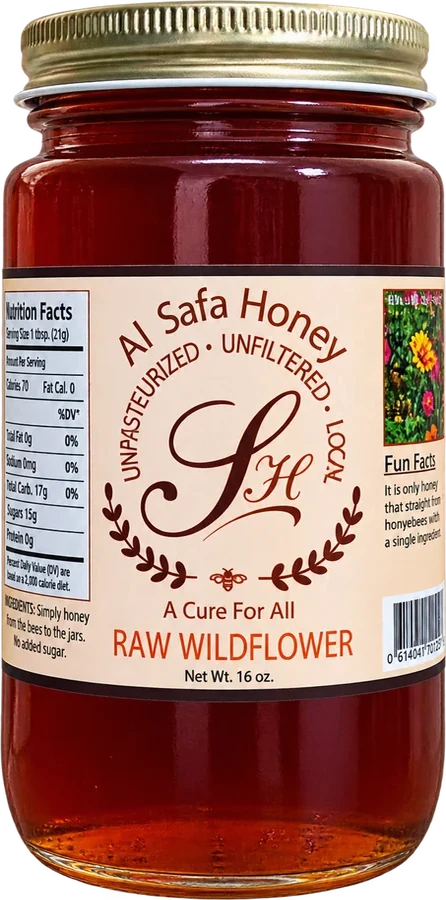
Try Raw Buckwheat Honey or Raw Wildflower Honey for spiced cakes and glazes. Save with a 3 jar or 6 jar pack of any honey, and orders over $50 ship free. Visit our shop.
Sources
Outside health sources we used for this article. They open in a new tab.
- Bees in the Medieval Economy · Economic History Society (Sapoznik, 2019)
- Beekeeping in the World of Ancient Rome · Eva Crane Trust (Bee World, 1994)
- Honey: nutrient profile · USDA FoodData Central
Frequently asked questions
- How was honey used in medieval Europe?
- As the main sweetener, in mead, cakes, preserves and sauces.
- What is a skep?
- A dome-shaped straw or wicker beehive.
- Why was beeswax so valuable?
- Churches needed large amounts for candles.
- What was forest beekeeping?
- Keeping wild colonies in cavities carved high in trees.
- What is telling the bees?
- A custom of informing hives of family news.
- What drinks were made from honey?
- Mead, metheglin, braggot and melomel.
- When did sugar replace honey?
- Gradually after the 15th century as sugar became cheaper.
Al Safa Honey is a food producer, not a medical provider. Nothing here is medical advice, and these statements have not been evaluated by the Food and Drug Administration. Talk to your doctor about any health concern. Never give honey of any kind to a baby under 12 months old.