Honey in Ancient Rome: Mulsum, Apicius and Roman Beekeepers
Honey in ancient Rome sweetened almost everything, from spiced wine and fish sauces to cheesecakes and preserved fruit. Romans had no cane sugar, so honey and grape syrups were their sweeteners. Roman writers like Varro, Virgil, Columella and Pliny the Elder left detailed accounts of beekeeping, and the cookbook attributed to Apicius is full of honey. This article explores how Romans kept bees, honey in Roman food and drink, famous recipes, honey in religion and economy, and how Roman ideas shaped later beekeeping. For the Greek background, see honey in ancient Greece.
For general education only, not medical advice. Our honey is a food and is not intended to diagnose, treat, cure or prevent any disease.
Where our knowledge comes from
Beekeeping historian Eva Crane, in Beekeeping in the World of Ancient Rome, explains that almost all knowledge of Roman beekeeping comes from Latin agricultural and natural history texts written between about 200 BCE and 400 CE. No Roman hives survive because they were made of perishable materials.
Roman writers on bees
Several authors wrote about bees:
| Author | Work | Contribution |
|---|---|---|
| Varro | On Agriculture (37 BCE) | Practical advice on apiaries |
| Virgil | Georgics, Book IV | Poetic account of bees and beekeeping |
| Columella | On Agriculture (about 60 CE) | Most detailed Roman beekeeping guide |
| Pliny the Elder | Natural History | Encyclopedic notes on bees and honey |
| Palladius | On Agriculture | Month-by-month farm tasks |
How Romans kept bees
Crane notes that Roman hives were usually horizontal tubes about three feet long, made preferably from cork bark or fennel stalks, then wicker or wood, with earthenware considered worst. Beekeepers inspected hives, used smoke, moved hives to better forage, fed bees in lean times, and left part of the honey for the bees. Honey was graded, and thyme honey was considered best.
Virgil's bees
Book IV of Virgil's Georgics is a poem about beekeeping, describing the hive as a miniature state with a king, citizens and laws. It also tells the myth of Aristaeus and the strange idea of bugonia, bees born from the carcass of an ox, which Romans believed. Rachel Carlson's University of Washington study explores how Roman writers used bees as political symbols.
Mulsum: honey wine
Mulsum was wine sweetened with honey, often served as an aperitif at the start of a meal. Conditum paradoxum was a spiced honey wine with pepper, saffron, bay and dates. Romans also drank mead and honey water.
Honey in savory Roman cooking
Roman cooks loved sweet-sour-salty flavors. Many recipes combine honey with garum, a fermented fish sauce, plus vinegar, pepper, cumin and herbs. Honey glazed roast meats, ham and dormice, and honey sauces were poured over fish and vegetables.
- Honey with garum and vinegar
- Honey-glazed ham
- Honey and pepper sauces
- Honey with roasted vegetables
Apicius and honey recipes
The cookbook known as De Re Coquinaria, attributed to Apicius, includes many honey recipes: dates stuffed with nuts and fried in honey, honey custards, and sauces for meat and fish. Cato the Elder, in On Agriculture, gave recipes for libum and savillum, cheesecakes made with honey, sometimes offered to the gods.
Preserving with honey
Romans preserved fruits like quinces and figs in honey, and even meat. Honey's low moisture helped keep food from spoiling. Our article on honey as a preservative explains the science.
Honey in religion and ritual
Honey cakes were offered to gods at festivals, and honey was poured on altars. Newborns in some traditions were given a taste of honey. Bees were seen as messengers of the gods.
The honey economy
Crane notes beekeeping was a respected and profitable occupation, producing large amounts of honey and beeswax. Wax was used for writing tablets, candles, seals and in art. Honey traveled across the empire, with Greek, Spanish and Sicilian honeys traded.
Roman legacy
Roman beekeeping methods influenced medieval European practice, and Virgil's Georgics was studied by beekeepers for centuries. Our article on honey in medieval Europe continues the story.
Try a Roman-style dish
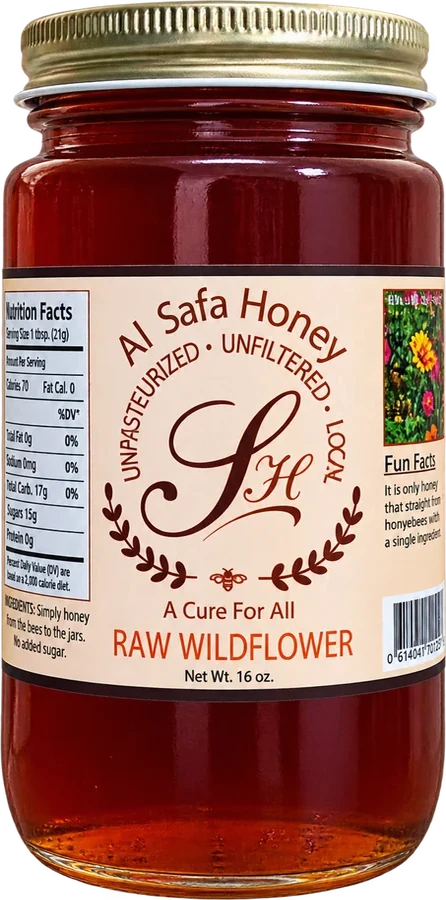
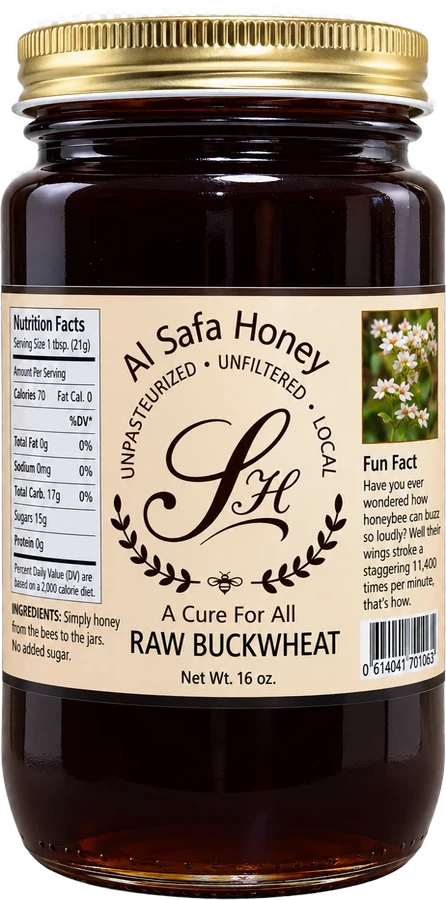
Stuff dates with walnuts, roll in salt, fry briefly in olive oil and drizzle with Raw Wildflower Honey, harvested in New York State, a nod to Apicius. Or glaze roasted ham with Raw Buckwheat Honey, black pepper and vinegar.
The takeaway on honey in ancient Rome
Honey in ancient Rome was the sweetener of wine, sauces and cakes, and a key farm product. Roman writers left detailed beekeeping guides, and Roman recipes still inspire sweet-savory cooking.
Defrutum and other Roman sweeteners
Honey was the prestige sweetener, but Romans also boiled grape juice into thick syrups called defrutum and sapa. These were cheaper and used widely in cooking and wine. Some were boiled in lead pots, which modern historians think may have exposed Romans to lead. Honey in ancient Rome remained the choice for fine dishes and offerings.
Pliny on honey types
Pliny the Elder described honey by season and flower, praising thyme honey and warning that some honeys, made from certain plants, could cause illness. He also recorded beliefs that honey fell from the sky as dew, which bees gathered from leaves. These ideas show how Romans observed honey closely even without modern science.
Honey in Roman homes
Archaeologists at Pompeii have found carbonized loaves, kitchen pots and wall paintings of food, including scenes with fruit and honey-sweet dishes. Wealthy households kept storerooms of honey and wine, while ordinary Romans used honey more sparingly.
Cook like a Roman
Stock Raw Wildflower Honey and Raw Buckwheat Honey for ancient-inspired recipes. Save with a 3 jar or 6 jar pack of any honey, and orders over $50 ship free. Visit our shop.
Sources
Outside health sources we used for this article. They open in a new tab.
- Beekeeping in the World of Ancient Rome · Eva Crane Trust (Bee World, 1994)
- The Honey Bee and Apian Imagery in Classical Literature · University of Washington (Carlson, 2015)
- Honey: nutrient profile · USDA FoodData Central
Frequently asked questions
- How did Romans use honey?
- In wine, savory sauces, cakes and to preserve fruit.
- What is mulsum?
- Roman wine sweetened with honey.
- Did Romans keep bees?
- Yes, in horizontal hives of cork, fennel stalks or wicker.
- Who wrote about Roman beekeeping?
- Varro, Virgil, Columella, Pliny the Elder and Palladius.
- What honey did Romans prize most?
- Thyme honey.
- What is Apicius?
- A Roman cookbook with many honey recipes.
- Did Romans have sugar?
- No. Honey and grape syrups were their sweeteners.
Al Safa Honey is a food producer, not a medical provider. Nothing here is medical advice, and these statements have not been evaluated by the Food and Drug Administration. Talk to your doctor about any health concern. Never give honey of any kind to a baby under 12 months old.