Honey as a Preservative: How It Works and Where It Falls Short
Honey as a preservative has a long history. Ancient cooks stored fruit in honey, Romans preserved meat with it, and honey itself famously lasts for years in a sealed jar. The reasons are scientific: honey is low in water, acidic and makes a little hydrogen peroxide when diluted. But honey has limits as a preservative, and some home uses carry real risk. This article explains how honey preserves, traditional and modern uses, safety rules and when not to rely on it. For honey's own shelf life, see honey in glass jars.
For general education only, not medical advice. Our honey is a food and is not intended to diagnose, treat, cure or prevent any disease.
Why honey lasts so long
Honey's long shelf life comes from a combination of factors. It is about 80 percent sugar and under 20 percent water, so microbes lose water to the honey and cannot grow. It is acidic, with a pH around 3.9. And an enzyme bees add, glucose oxidase, produces hydrogen peroxide when honey is diluted.
The Smithsonian explains how these properties let honey last for very long periods when sealed.
The science in a table
How each property helps:
| Property | How it helps |
|---|---|
| Low water activity | Draws water from microbes, stopping growth |
| Acidity (pH about 3.9) | Inhibits many bacteria |
| Hydrogen peroxide | Forms when diluted, adds antimicrobial effect |
| Thick texture | Limits oxygen exchange |
Honey as a preservative in history
Ancient Egyptians, Greeks and Romans used honey to preserve fruit and even meat. Romans stored fruit like quinces in honey, and some historical sources describe meat packed in honey for transport. Honey was also used in embalming and medicine in the ancient world.
A review of how honey kills bacteria explains the antibacterial properties that made these uses possible.
Safe modern uses
Honey works well for preserving foods that are already dry or low in water, and in recipes where it is combined with heat or acid:
- Dried fruit and nuts packed in honey
- Honey-sweetened jams cooked and canned with tested recipes
- Candied citrus peel cooked in honey syrup
- Honey roasted nuts stored airtight
Walnuts and honey in a jar
Toasted walnuts, almonds or dried apricots covered in honey make a classic gift that keeps for weeks at room temperature when everything is dry and the jar is clean. Our article on honey and walnuts has more ideas.
The garlic and herb warning
Adding fresh garlic, fresh herbs or other moist, low-acid foods to honey introduces water and possibly Clostridium botulinum spores from soil. In the diluted pockets around those foods, conditions can allow spores to grow and produce toxin. Fermented garlic honey kept at room temperature is a popular trend that carries this risk if not done carefully.
Refrigerate infusions with fresh ingredients, use them within a few days, or follow tested acidified methods. Dried herbs and spices are safer for long infusions.
When honey ferments
If honey absorbs too much water, natural yeasts can ferment it, producing foam, bubbles and a sour or alcoholic smell. That is why honey should be kept sealed and why adding water-rich foods shortens its life. Our article on honey moisture content explains the thresholds.
Honey in canning and jams
Honey can replace some sugar in jams and preserves, but it changes the set and flavor. Use recipes designed for honey from reliable sources such as university extension services, and follow tested canning times for safety. Honey alone does not make low-acid foods safe to can.
Honey in baked goods
Honey's ability to hold moisture keeps baked goods soft and fresh longer. Honey cakes and breads often taste better on day two. That is moisture retention, not preservation in the safety sense, so store baked goods as usual.
Our article on honey in bread explains why.
Infants and honey
Honey can contain dormant botulism spores. Adults' digestive systems handle them, but babies under 12 months cannot. Never give honey, or foods preserved in honey, to infants under one year, as the CDC advises.
Honey on its own
The simplest way to enjoy honey's preserving power is to keep the honey itself well. Store raw honey sealed at room temperature, use clean, dry spoons and expect natural crystallizing. Pure Raw Honey, harvested in New York State and never heated, keeps beautifully this way.
The takeaway on honey as a preservative
Honey as a preservative works because of low water, acidity and natural enzymes. It suits dry foods and tested recipes, but adding fresh, moist ingredients changes the picture. Refrigerate infusions and never give honey to babies.
Honey as a preservative for nuts and dried fruit
Using honey as a preservative works best with ingredients that are already dry. Fill a clean, dry jar with toasted almonds, dried figs or dried apricots and pour honey over to cover. Seal and keep at room temperature for several weeks. Because the dried ingredients add little moisture, the honey stays thick and protective.
Spoon the mixture over yogurt, cheese or oatmeal. Our article on honey and figs has more fig ideas.
Honey as a preservative in medicine history
Beyond the kitchen, honey as a preservative and wound dressing appears in ancient Egyptian medical papyri. Modern medicine has revisited honey in sterile, medical-grade wound products, which are very different from kitchen honey. Our article on honey for burns explains that research.
Keep a jar on hand
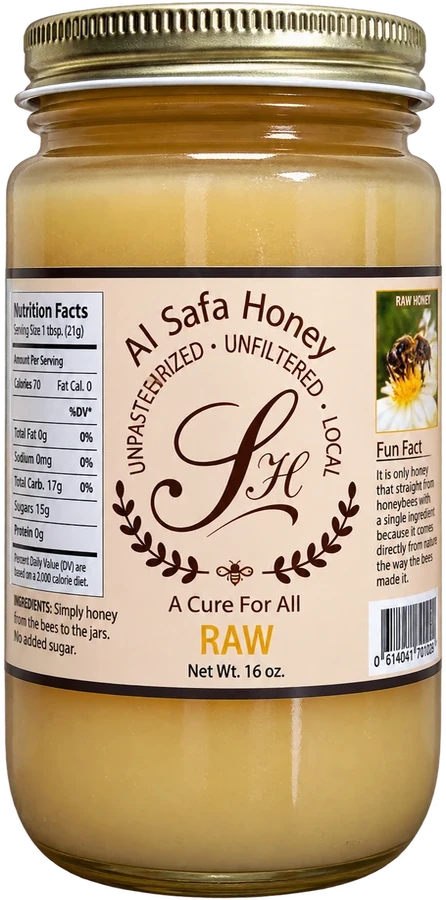
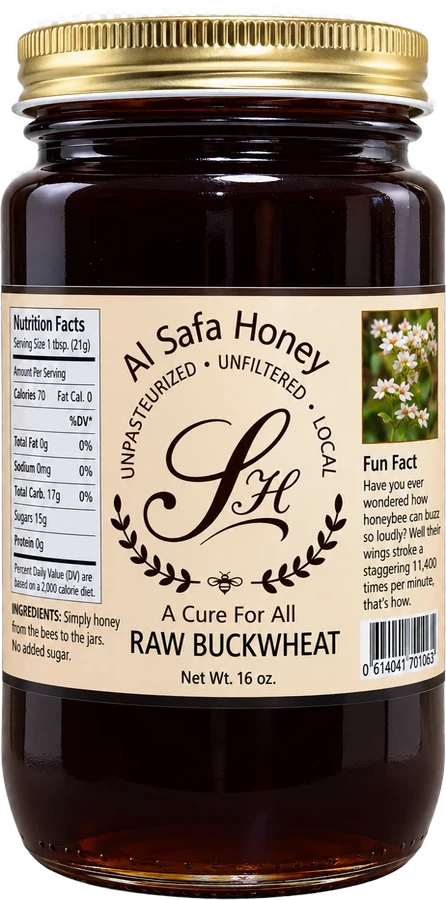
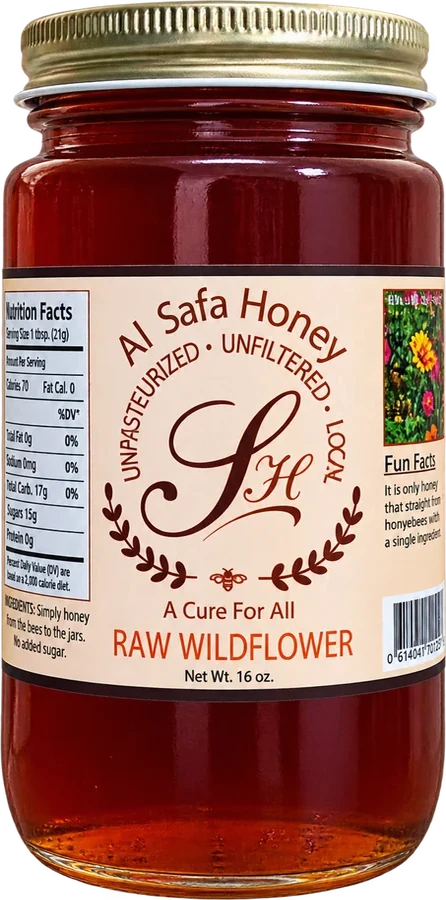
Explore our raw honeys, from Pure Raw Honey to Raw Buckwheat Honey, in our shop. Save with a 3 jar or 6 jar pack of any honey, and orders over $50 ship free.
Sources
Outside health sources we used for this article. They open in a new tab.
- The Science Behind Honey's Eternal Shelf Life · Smithsonian Magazine
- How honey kills bacteria (FASEB Journal, 2010) · PubMed
- Foods and Drinks to Avoid or Limit (infants and toddlers) · Centers for Disease Control and Prevention
Frequently asked questions
- Why is honey a natural preservative?
- It is low in water, acidic and produces a little hydrogen peroxide when diluted.
- Can I preserve fruit in honey?
- Dried fruit, yes. Fresh fruit adds water and needs refrigeration or tested recipes.
- Is garlic in honey safe?
- Fresh garlic in honey can carry botulism risk. Refrigerate and use quickly.
- Can honey go bad?
- Sealed honey keeps for years, but it can ferment if it absorbs water.
- Can I can jam with honey?
- Yes, using tested recipes and canning times.
- Why does honey keep cakes moist?
- It holds water, keeping baked goods soft longer.
- Can babies have foods preserved in honey?
- No. Never give honey to babies under 12 months.
Al Safa Honey is a food producer, not a medical provider. Nothing here is medical advice, and these statements have not been evaluated by the Food and Drug Administration. Talk to your doctor about any health concern. Never give honey of any kind to a baby under 12 months old.